How to Design a Luxury Kitchen Interior from Scratch
You know that feeling when you walk into a high-end hotel kitchen or flip through an architectural magazine and think, “I need this in my life”? Designing a luxury kitchen from scratch isn’t just about slapping some marble countertops on your existing layout and calling it a day.
It’s about creating a space that makes you actually want to cook—or at least look like you know how to. Whether you’re building from the ground up or gutting your current kitchen down to the studs, getting that “chef’s kiss” luxury vibe requires some serious planning.
The good news? You don’t need a degree in interior design to pull it off, just patience, a decent budget, and a willingness to obsess over cabinet hardware for longer than you’d care to admit.
Start With Your Layout (Because Moving Plumbing Later Is Expensive and Soul-Crushing)
Before you get excited about that stunning range hood you saw on Pinterest, let’s talk about the bones of your kitchen.
The layout determines everything else, and trust me, you don’t want to realize your sink placement is terrible after you’ve already installed custom cabinetry.
The classic work triangle—connecting your sink, stove, and refrigerator—still holds up for a reason. It keeps your workflow smooth and prevents you from running marathons while making breakfast.
That said, luxury kitchens often expand on this concept with multiple work zones if you have the square footage.
Think about how you actually use your kitchen. Do you entertain constantly? Then you’ll want a layout that lets guests hang out without blocking your cooking zone.
Are you more of a solo culinary artist? An L-shaped or U-shaped design might give you all the counter space you need without wasted circulation area.
Island vs. Peninsula: The Eternal Debate
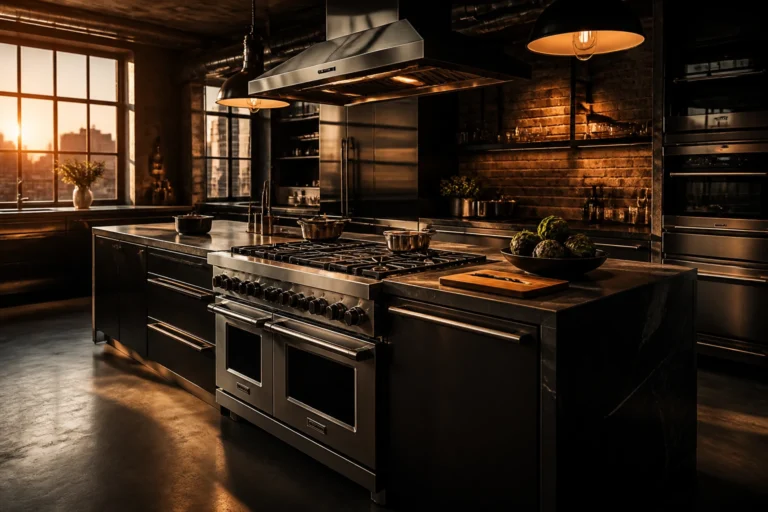
An island screams luxury, but only if you have the room for it. You need at least 42-48 inches of clearance on all sides—preferably more if you want multiple people moving around comfortably. Anything less and you’ve just created an expensive obstacle course.
Peninsulas work beautifully in slightly smaller spaces and can define your kitchen area in an open-plan layout. They’re also easier on the budget since you don’t need to run plumbing and electrical through the floor.
Materials That Actually Look Expensive (And Some That Just Are)
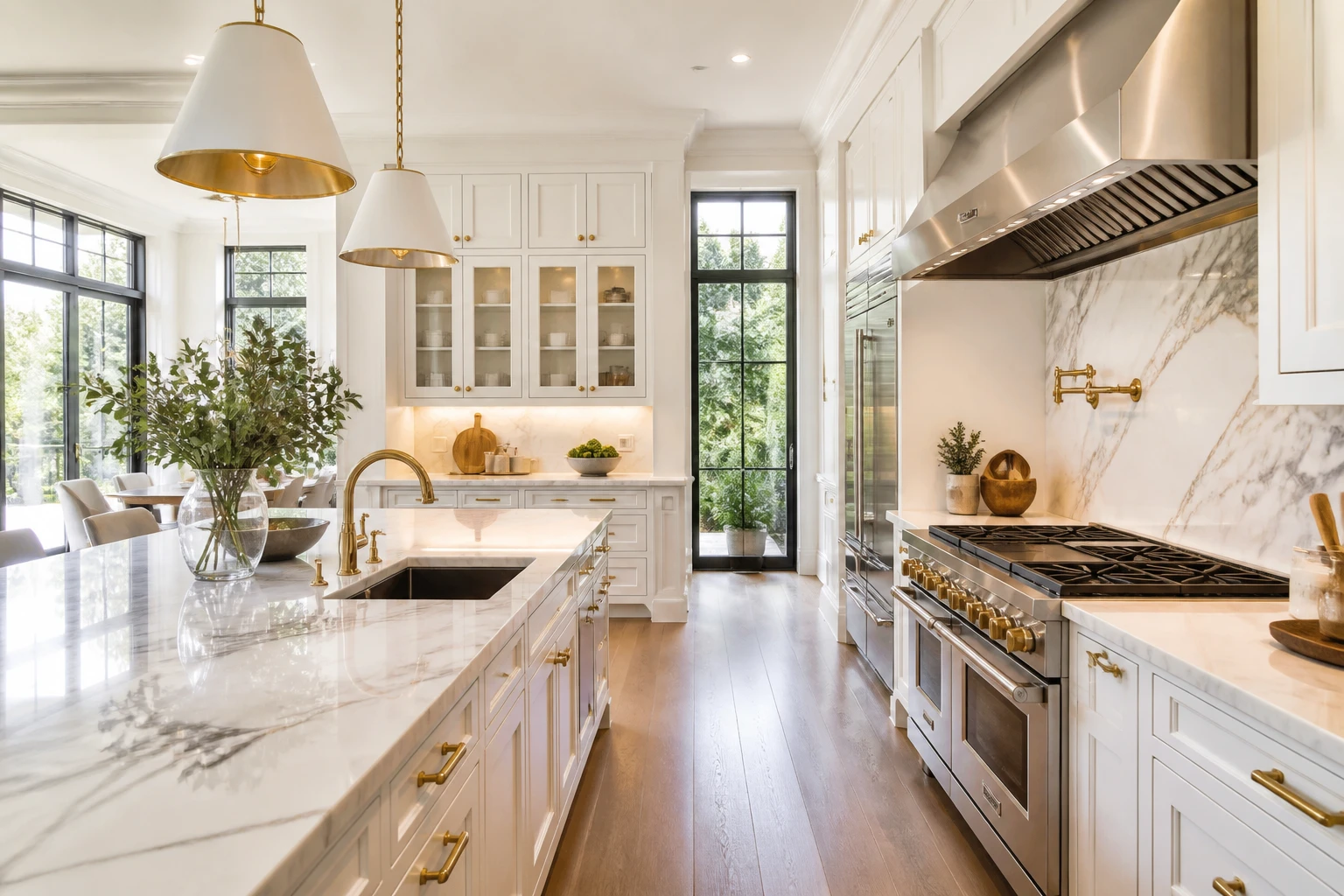
Here’s where your budget either soars like an eagle or crashes like your cooking experiments. Luxury is all about the materials, and certain choices instantly elevate your kitchen from “nice” to “wow, are you secretly a food blogger?”
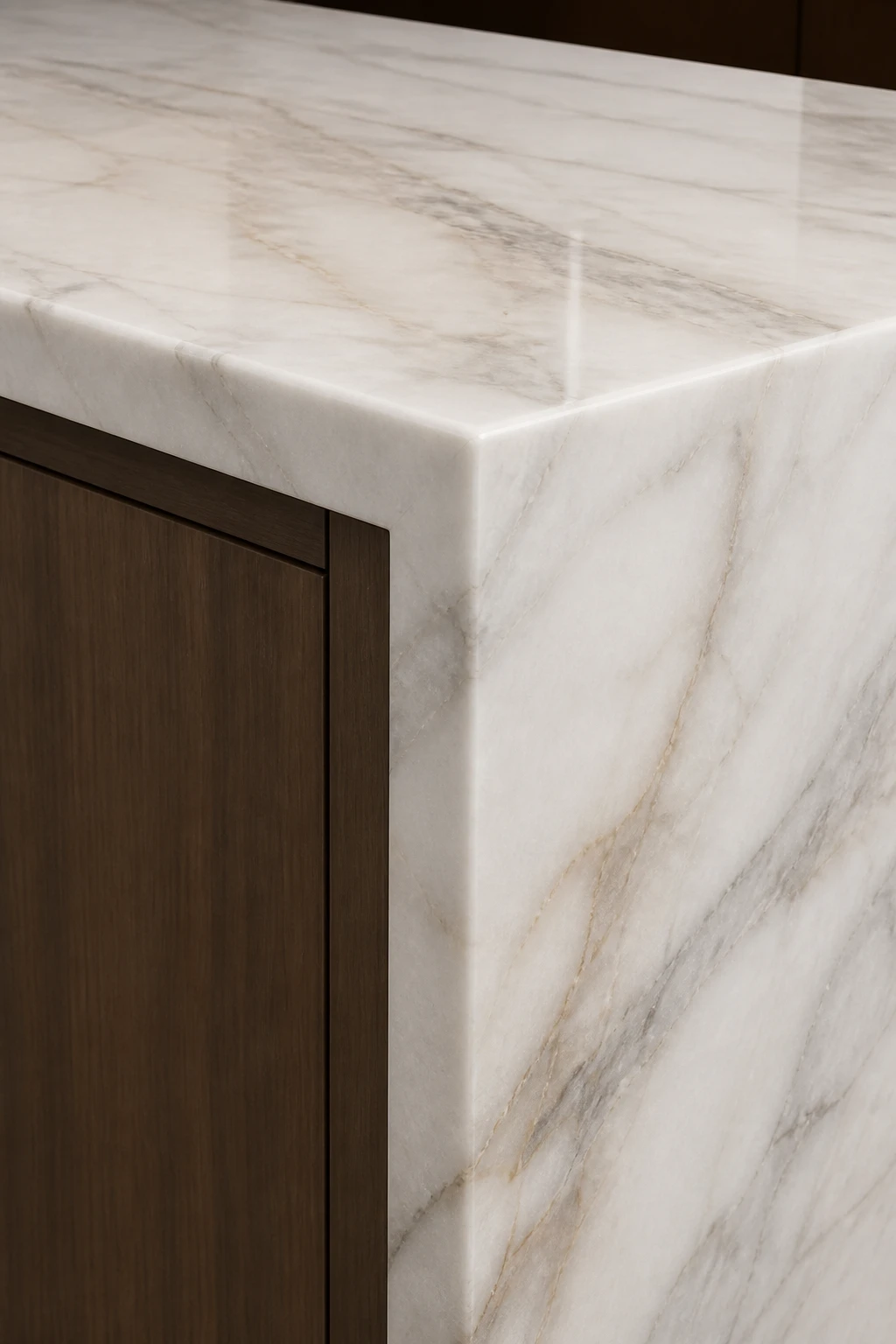
For countertops, natural stone remains king. Marble is gorgeous and classic, though it stains if you so much as look at it wrong with a glass of red wine.
Quartzite gives you that marble look with better durability. Granite works too, but go for exotic varieties with dramatic veining—not the standard speckled stuff from 2005.
Don’t sleep on porcelain slabs either. The new ones mimic marble so well that most people can’t tell the difference, plus they’re nearly indestructible. FYI, they’re also usually less expensive than natural stone while looking just as luxe.
Cabinetry Worth Obsessing Over
Your cabinets cover more visual real estate than anything else, so this isn’t where you want to cut corners. Custom or semi-custom cabinetry with full-overlay doors gives you that seamless, furniture-quality look that screams luxury.
Wood species matter here. Walnut brings warmth and sophistication, while white oak offers that subtle grain pattern that’s currently having a moment.
Want something bolder? High-gloss lacquer in deep colors like navy or emerald green can look absolutely stunning if your style leans contemporary.
And please, invest in soft-close hinges and drawer glides. Nothing kills the luxury vibe faster than slamming cabinet doors.
Lighting Layers: Because One Ceiling Light Isn’t Going to Cut It
Ever notice how luxury kitchens seem to glow from within? That’s not magic—it’s layered lighting, and it’s non-negotiable for a high-end look.
Start with ambient lighting as your base. Recessed cans work fine, but consider a statement chandelier or pendant cluster over your island if you want that designer touch. IMO, this is where you can inject some personality and make the space feel special.
Task lighting comes next. Under-cabinet LED strips illuminate your workspace and create that soft glow that makes everything look expensive. Don’t forget lighting inside glass-front cabinets—it’s a small detail that makes a big impact.
Accent lighting highlights architectural features or open shelving. Use it to draw eyes to beautiful backsplash tile or show off your collection of copper pots.
Appliances: Where Function Meets Flash
You can’t have a luxury kitchen with builder-grade appliances—it’s like putting regular gas in a Ferrari. Professional-grade or high-end appliances are essential, both for performance and aesthetics.
Panel-ready appliances are your secret weapon for that ultra-custom look.
Your refrigerator and dishwasher disappear behind cabinet fronts, creating seamless lines that look ridiculously expensive. The only downside? You lose the shiny professional appliance flex, so choose based on your style preference.
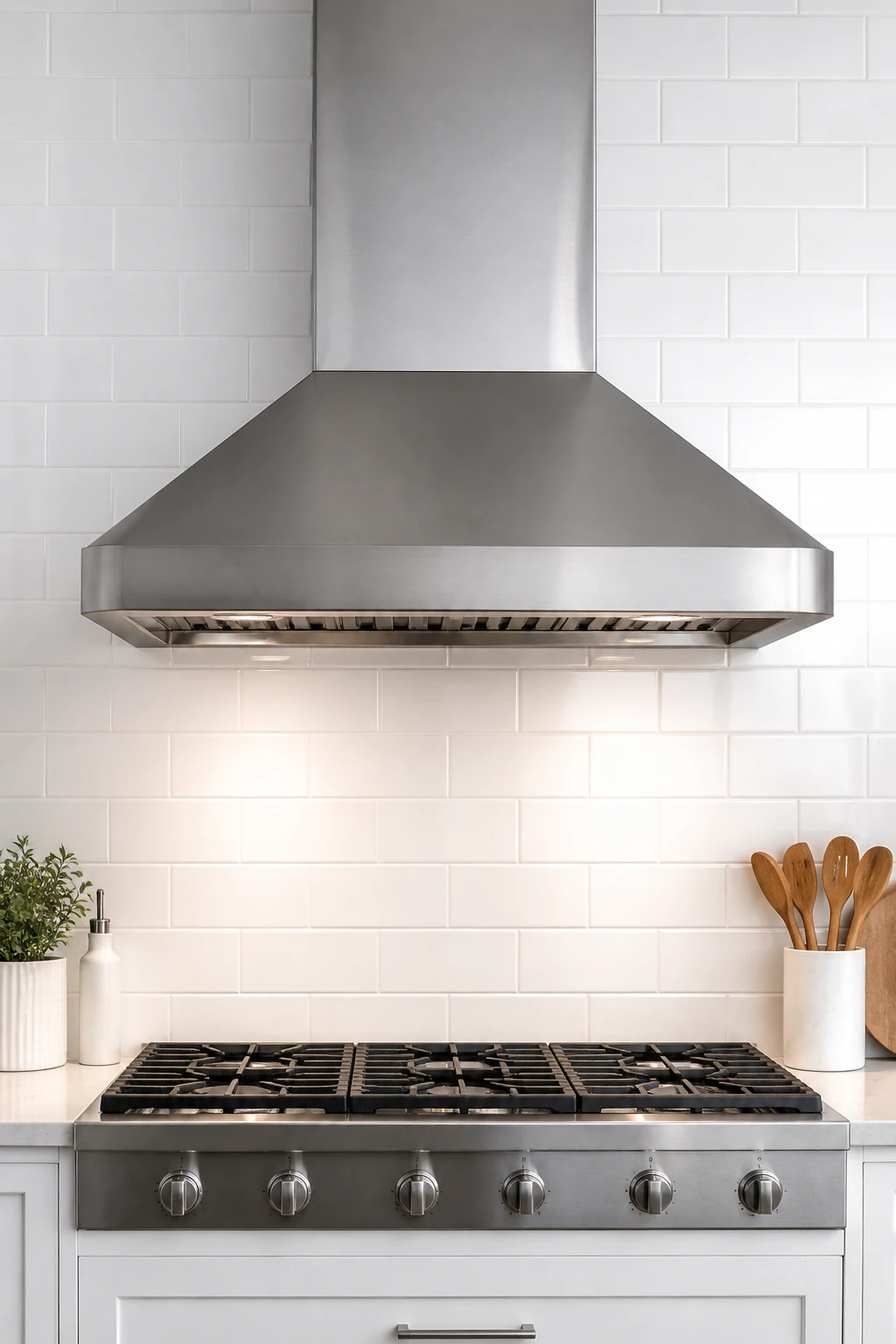
For ranges, a 36-48 inch professional-style range becomes an instant focal point. Brands like Wolf, Thermador, or La Cornue (if your budget is truly wild) deliver both performance and visual impact.
Pair it with a statement range hood—copper, custom plaster, or sleek stainless steel depending on your vibe.
Don’t Forget the Small Appliances
Here’s something people overlook: visible counter clutter kills the luxury look. Plan dedicated appliance garages or pantries to hide your toaster, coffee maker, and other daily-use items. Pull-out shelves that raise up when you need them are chef’s kiss perfection.
Backsplash and Flooring: The Supporting Actors That Steal the Show
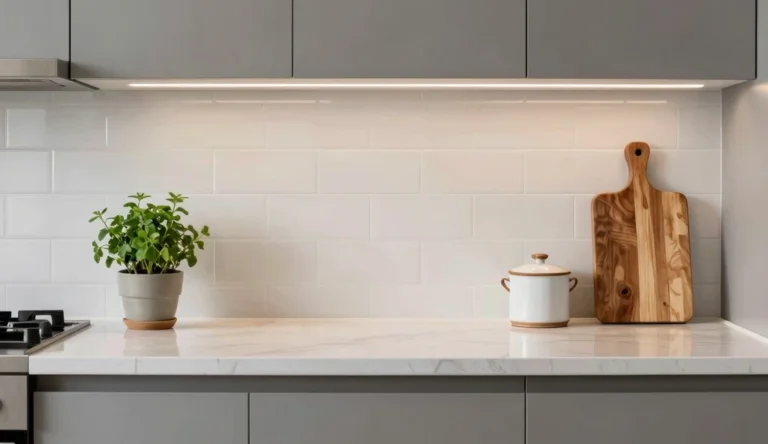
Your backsplash offers prime opportunity for a “wow” moment without breaking the bank (relatively speaking). A full-height backsplash in natural stone, handmade tile, or even book-matched marble slabs creates serious drama.
Subway tile? Only if it’s oversized, in an unusual color, or installed in an interesting pattern. The standard 3×6 white subway is way too safe for a luxury kitchen. Think zellige tile from Morocco, textured 3D tile, or glass tile with depth and movement.
Flooring needs to be both beautiful and practical. Large-format porcelain tiles that look like natural stone or concrete offer easy maintenance with high style. Hardwood brings warmth but requires more upkeep. If you do go with wood, use engineered hardwood—it handles temperature and humidity changes better than solid wood.
The Details That Separate “Nice” from “Luxury”
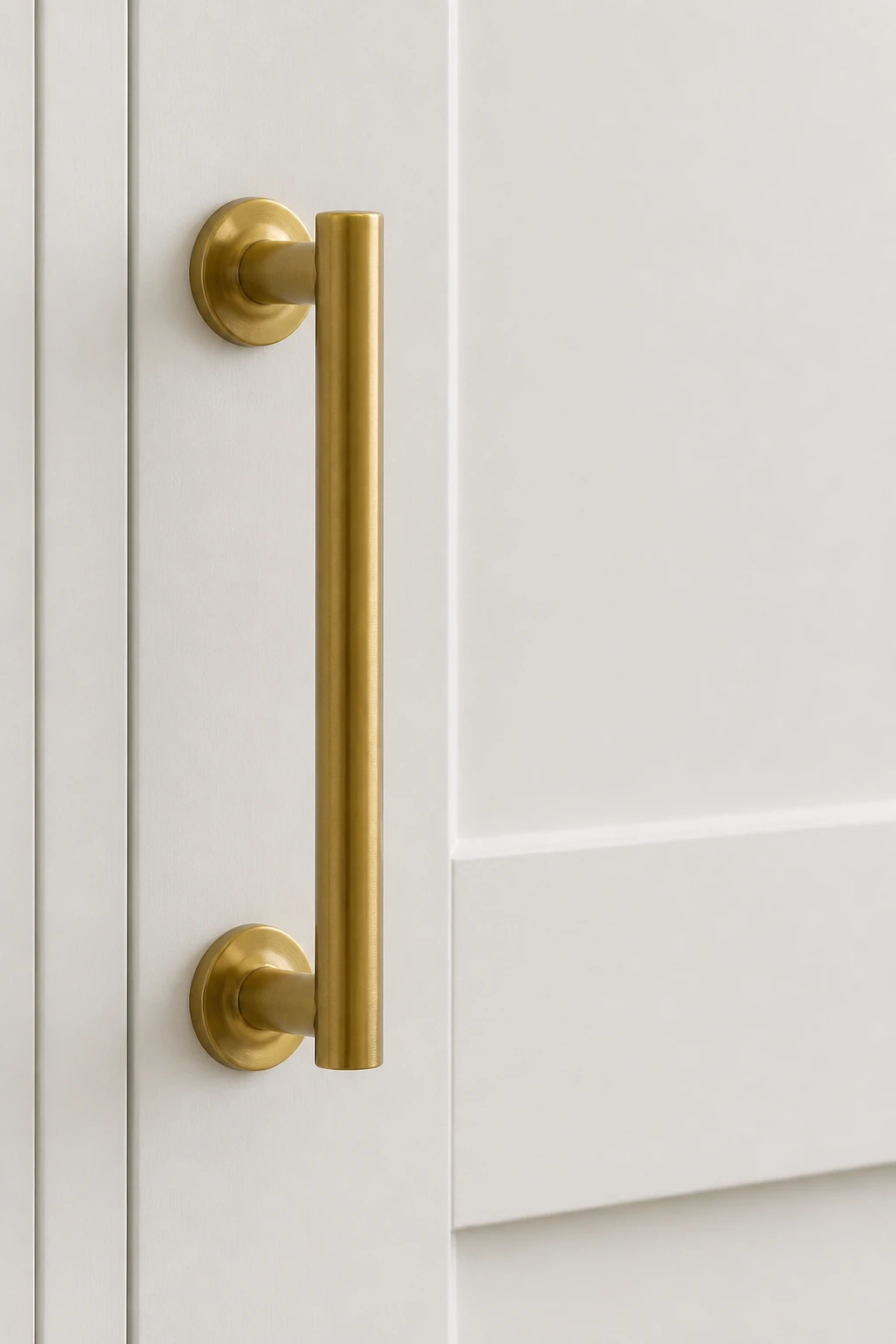
This is where you get to nerd out on the finishing touches. Hardware might seem like a small thing, but beautiful knobs and pulls in unlacquered brass, polished nickel, or matte black elevate every interaction with your kitchen.
Think about incorporating these luxury details:
- A pot filler above your range—controversial among some designers, but undeniably swanky
- Integrated charging drawers to hide devices while they power up
- Toe-kick drawers for extra storage in that otherwise dead space
- Pull-out spice racks beside the range for easy access
- Custom drawer dividers for utensils and tools
- A dedicated coffee or beverage station with plumbing and storage
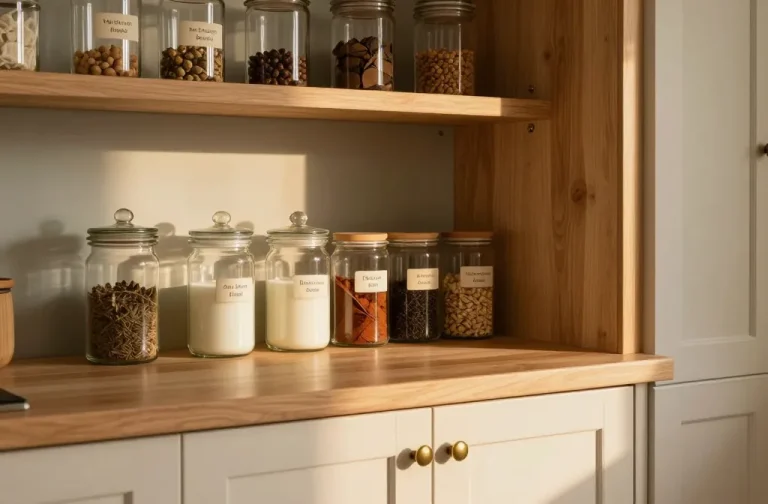
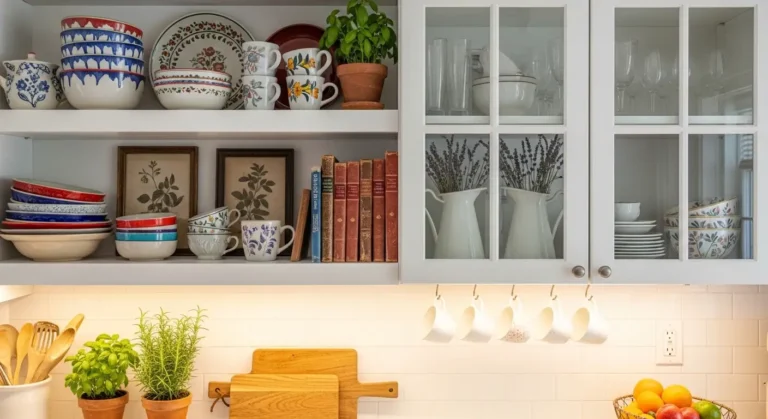
Open shelving can look amazing in luxury kitchens, but only if you’re committed to keeping it styled and organized. Nothing says “I tried” like dusty open shelves cluttered with random mismatched containers.
Bringing in Texture and Warmth
An all-white kitchen with stainless appliances can easily veer into sterile territory if you’re not careful. Luxury spaces feel layered and collected, not like they came straight from a showroom floor.
Mix your materials thoughtfully. Combine warm wood tones with cool marble, or pair sleek lacquer cabinets with textured tile. Metal finishes add glamour—brass brings warmth, chrome feels crisp and clean, and black metal adds edge.
Textile touches matter too. A gorgeous runner, upholstered counter stools, or even roman shades in beautiful fabric soften the harder surfaces and make the space feel lived-in rather than precious.
Conclusion: Your Kitchen, Your Rules
Designing a luxury kitchen from scratch is part art, part science, and part “let’s see if this works.” The key is balancing those magazine-worthy aesthetics with actual functionality for how you live.
Don’t get so caught up in trends that you forget to design for your daily reality—the most luxurious kitchen is one you actually love using.
Start with a solid layout, invest in quality materials where they matter most, and sweat the details that elevate the everyday experience. And remember, luxury doesn’t mean everything has to match perfectly or follow rigid rules.
The best kitchens have personality, a little edge, and feel like they belong to someone with actual taste, not just a big budget.
Frequently Asked Questions
How much should I budget for a luxury kitchen renovation from scratch?
Real talk: plan for $75,000 to $150,000+ depending on size and finishes. High-end appliances alone can run $20,000-$40,000.
Custom cabinetry, quality countertops, and professional installation add up fast. If someone quotes you $30,000 for a “luxury” kitchen, they’re either working magic or redefining luxury.
Set aside an extra 15-20% for surprises—they always happen.
Should I hire an interior designer or kitchen designer?
A kitchen designer specializes specifically in kitchen layouts, cabinetry, and functionality, which makes them invaluable for getting the bones right.
An interior designer brings broader aesthetic vision and helps the kitchen flow with your whole home. Honestly?
The dream team is both working together, but if you’re choosing one, go with a kitchen designer first to nail the layout and function, then bring in design help for finishes and styling if needed.
What’s the biggest mistake people make when designing a luxury kitchen?
Prioritizing looks over function, hands down. That gorgeous double-height cabinet looks amazing but becomes a nightmare if you actually need to access the top shelves.
Or installing a massive island that looks stunning but leaves you squeezing between furniture. Design for how you actually cook and move, not just for Instagram.
The most luxurious feeling comes from a kitchen that works effortlessly, not one that just photographs well.
How long does it take to design and build a luxury kitchen from scratch?
Buckle up: 4-6 months minimum from design to completion, often longer. Custom cabinetry alone can take 8-12 weeks to manufacture after you finalize your design.
Add time for design revisions, ordering materials, permits, demolition, installation, and inevitable delays.
If someone promises your dream kitchen in 6 weeks, run. Quality work takes time, and rushing leads to expensive mistakes.
Are smart kitchen features worth it in a luxury design?
Smart appliances and integrated tech can absolutely enhance luxury, but choose thoughtfully. A refrigerator that tracks your groceries? Cool in theory, often clunky in practice.
Smart lighting controls and voice-activated faucets? Actually useful and genuinely convenient. Motion-sensor cabinet lights? Game changer for midnight snack runs.
Focus on tech that solves real problems in your routine rather than just adding gadgets for the sake of it. The best luxury feels invisible until you need it.
Can I mix different design styles in a luxury kitchen?
Absolutely, and you probably should. The most interesting luxury kitchens blend elements—maybe traditional cabinetry with modern lighting, or contemporary lines with rustic wood accents.
The trick is having a clear vision that ties everything together, whether that’s through a consistent color palette, repeated materials, or a unifying design principle.
Pure matchy-matchy can feel boring and showroom-y. A collected, layered look feels more authentic and honestly, more expensive.