Kitchen Cabinet and Countertop Combinations: 15 Ideas You’ll Love
Want to give your kitchen a fresh new look? The secret often lies in how your cabinets and countertops work together. These curated ideas will help you create a space that looks modern, balanced, and inviting.

When we first stepped into our kitchen, something felt off. The cabinets were fine, the countertops were decent, but together, they just didn’t work.
That’s when I realized how important it is to match cabinets and countertops. Even beautiful pieces can feel disconnected if they don’t complement each other.
After trying a few combinations—like creamy quartz with deep green cabinets—everything finally clicked. The space felt balanced and inviting.
The truth is, the right pairing can transform your kitchen without a full remodel. It’s all about choosing what works well together, not just what looks good alone.
How to Choose the Right Kitchen Cabinet and Countertop Combinations
Choosing the right pairing requires careful consideration of color, texture, and how each material performs under daily use.
You should evaluate how natural and artificial lighting affects surfaces, as lighting can dramatically change how colors appear throughout the day.
Glossy countertops reflect light differently, while matte cabinets absorb it, creating varied visual effects in the same space.
Durability also plays a key role, especially in kitchens where surfaces face heat, moisture, and frequent cleaning. Selecting materials that resist wear ensures your kitchen remains attractive and functional over time.
Balancing contrast and harmony helps you avoid overwhelming designs while still adding depth and personality to the kitchen.
A thoughtful approach ensures your kitchen cabinet and countertop combinations feel intentional and cohesive rather than random.
Understanding Color Balance and Material Contrast in Kitchen Design
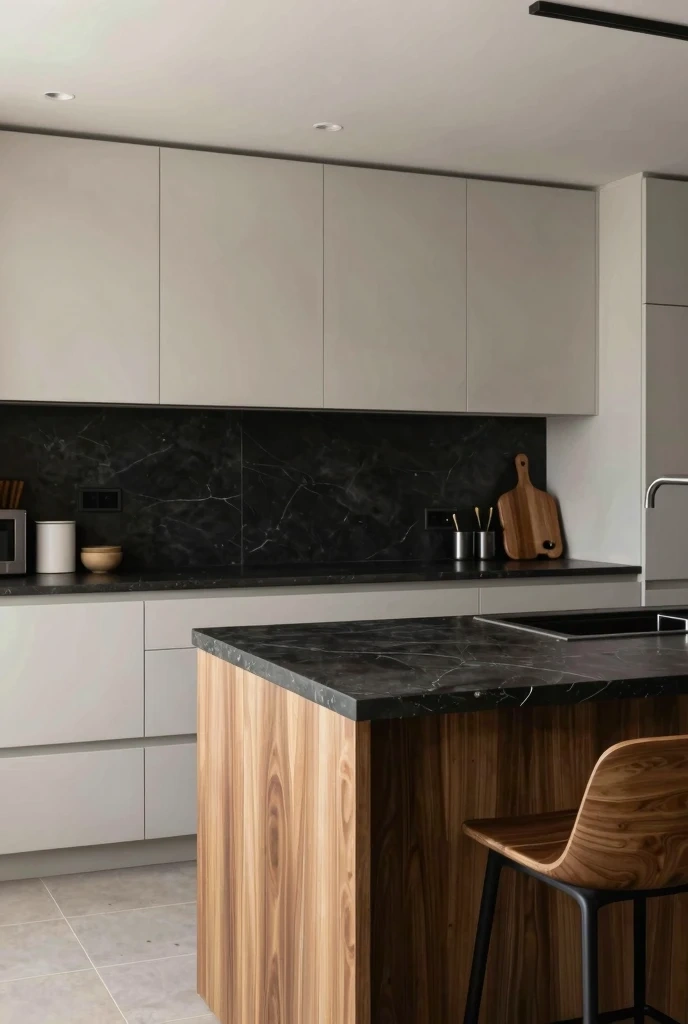
Color balance defines the overall mood of your kitchen and influences how spacious or compact the area feels.
Lighter cabinets paired with darker countertops create contrast, while similar tones produce a softer and more unified appearance.
Material contrast adds another layer of interest, allowing combinations like wood and stone to feel dynamic and visually engaging.
You can use neutral tones to create flexibility, making it easier to update décor without changing major design elements.
Bold contrasts can act as focal points, drawing attention and giving your kitchen a distinctive personality.
Textures also matter, as smooth surfaces paired with natural grains create a more layered and balanced look.
When done correctly, these elements ensure your kitchen cabinet and countertop combinations feel harmonious and visually appealing.
15 Kitchen Cabinet and Countertop Combinations Ideas
White Cabinets with Marble Countertops
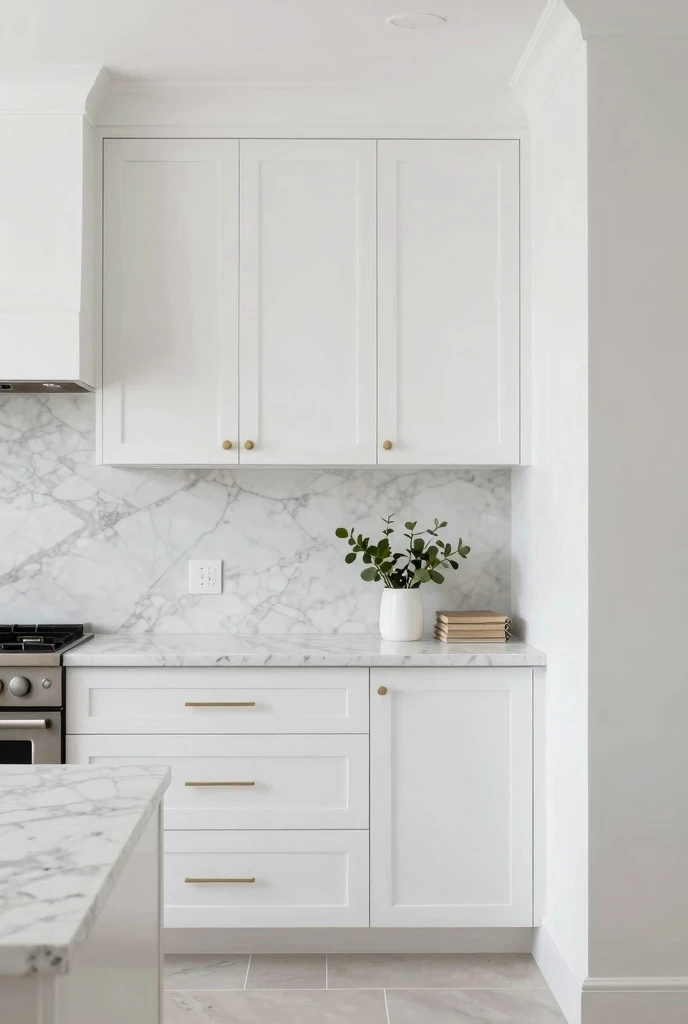
White cabinets paired with marble countertops create a timeless kitchen design that feels bright, clean, and highly sophisticated.
This combination reflects natural light effectively, making smaller kitchens appear larger and more open without structural changes.
Marble surfaces introduce subtle veining, which adds texture and visual interest without disrupting the simplicity of white cabinetry.
You can pair this design with minimal hardware to maintain a sleek and uncluttered appearance. This combination works well in both modern and traditional kitchens, offering versatility and long-lasting appeal.
Regular maintenance helps preserve the marble’s surface while keeping the overall look polished and elegant.
Dark Wood Cabinets with Light Quartz Countertops
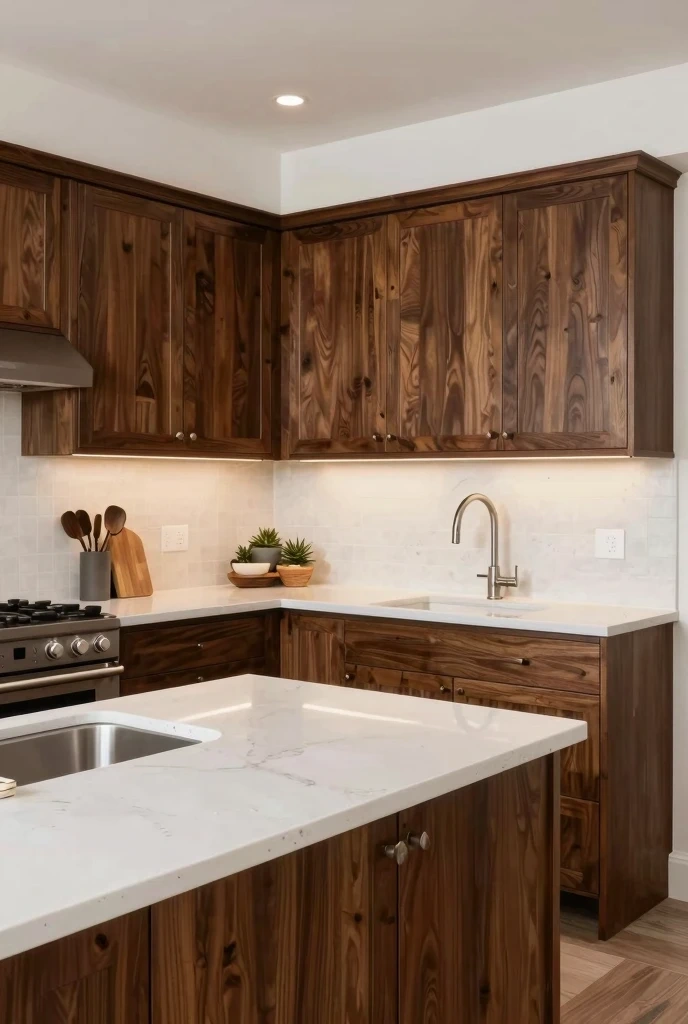
Dark wood cabinets combined with light quartz countertops create a strong contrast that feels grounded yet visually balanced.
The richness of wood adds depth, while the lighter quartz surface prevents the kitchen from appearing too heavy or enclosed.
Quartz countertops offer durability and require minimal maintenance, making them ideal for busy households. This pairing suits both contemporary and transitional kitchens, providing flexibility in design choices.
You can enhance this combination with simple lighting to highlight the contrast and bring out natural textures. The result is a kitchen that feels warm, inviting, and practical for everyday use.
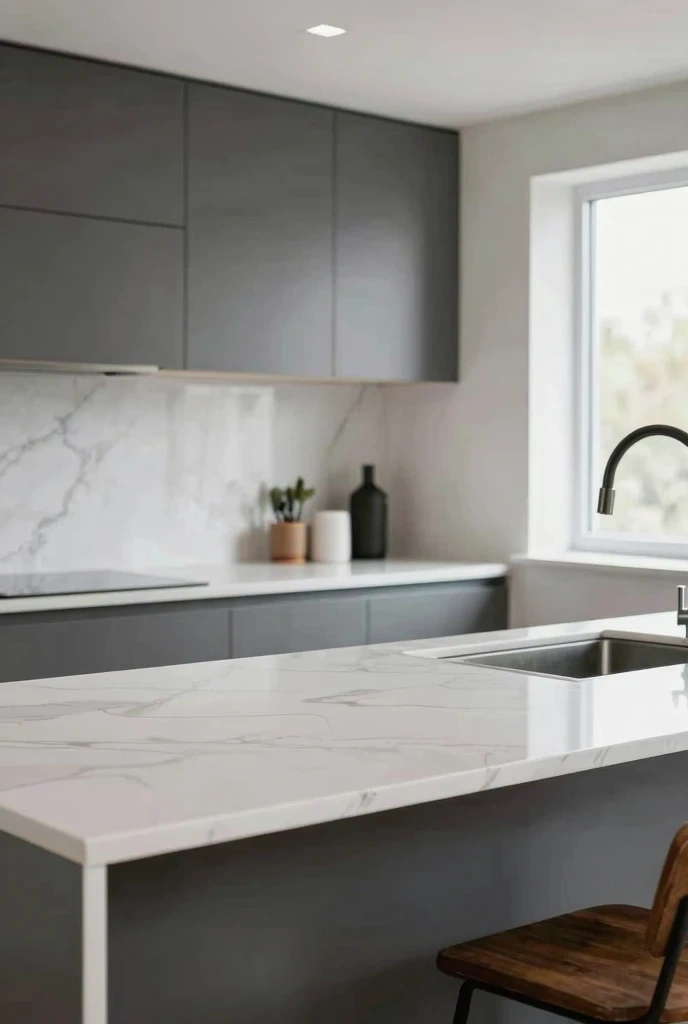
Gray Cabinets with White Countertops
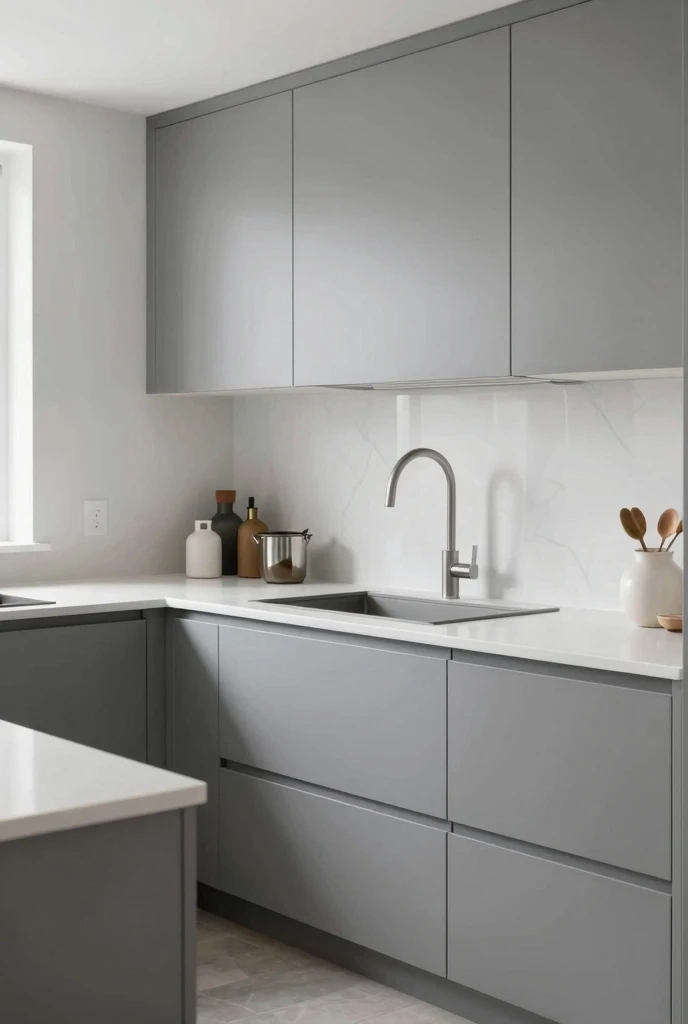
Gray cabinets paired with white countertops create a soft and modern look that feels both calm and sophisticated.
This neutral combination works well in a variety of kitchen styles, including minimalist and transitional designs.
White countertops brighten the space, while gray cabinetry adds subtle depth without overpowering the overall design. You can easily update accessories and décor since this palette remains highly adaptable and versatile.
This combination appeals to homeowners seeking a clean look that does not feel overly stark or cold. It offers a balanced aesthetic that supports both functionality and long-term visual appeal.
Navy Blue Cabinets with Gold-Toned Countertops
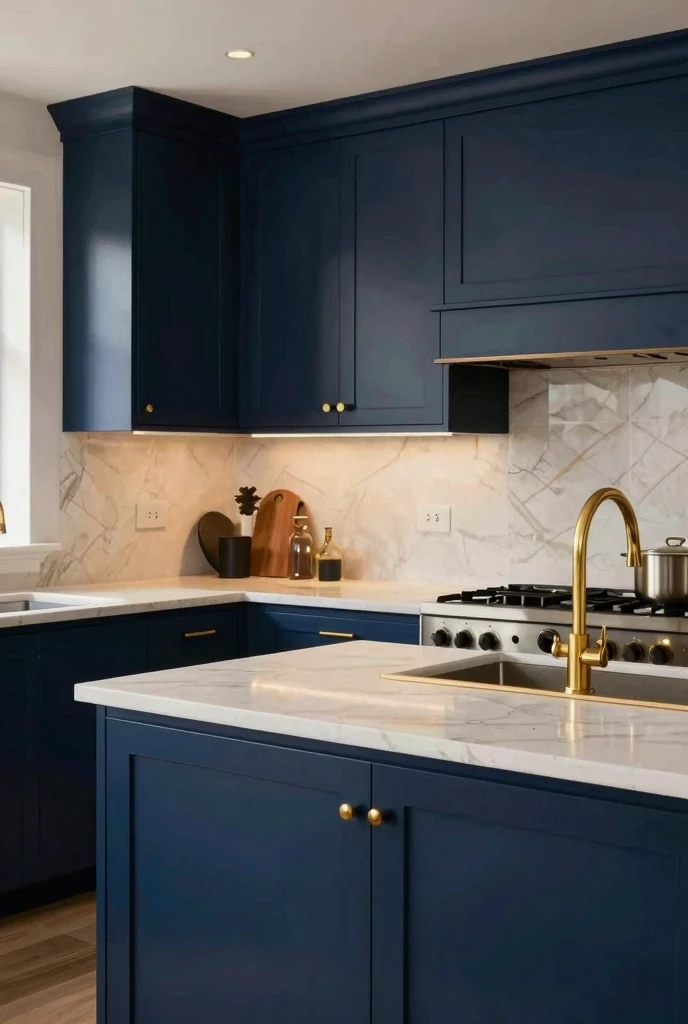
Navy blue cabinets combined with warm-toned countertops create a bold and elegant kitchen design that stands out. The deep blue color anchors the space, while the lighter countertop introduces warmth and balance.
This combination works best in kitchens with sufficient lighting to prevent darker tones from dominating the space.
Gold-toned surfaces add a sense of luxury without making the design feel overly decorative or complex.
You can complement this pairing with simple fixtures to maintain a cohesive and refined appearance. This design creates a striking yet comfortable environment that feels both modern and timeless.
Black Cabinets with White Quartz Countertops
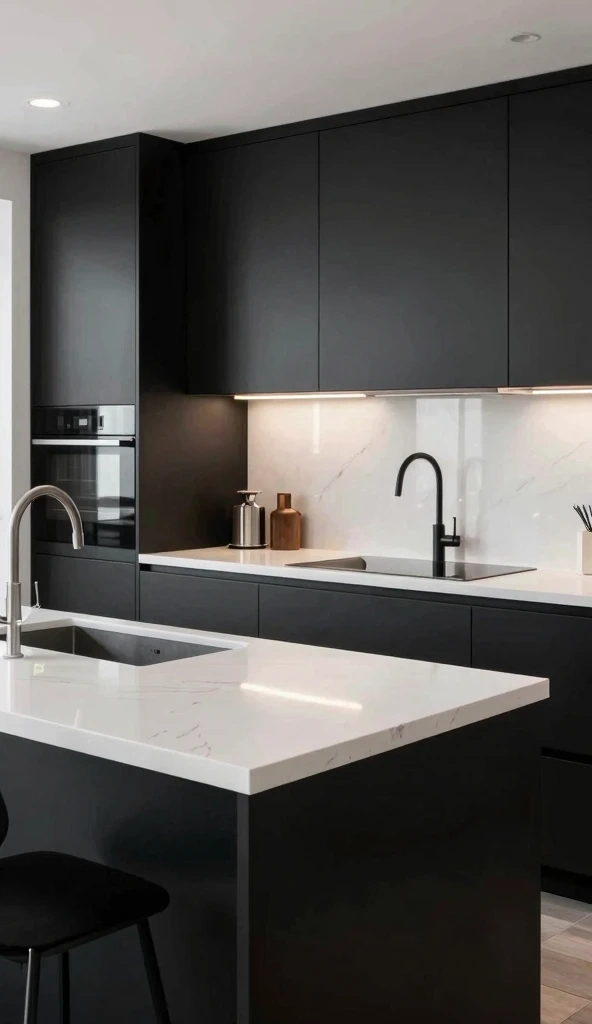
Black cabinets paired with white quartz countertops create a dramatic and modern look that emphasizes clean lines and contrast.
This high-contrast combination works particularly well in contemporary kitchens that focus on simplicity and structure.
White quartz surfaces reflect light, helping balance the depth of black cabinetry and prevent the space from feeling too dark.
You can enhance this design with strategic lighting to highlight surfaces and improve overall visibility. This pairing offers both style and practicality, making it a popular choice for modern homeowners.
It delivers a bold statement while maintaining everyday functionality and ease of maintenance.
Beige Cabinets with Granite Countertops
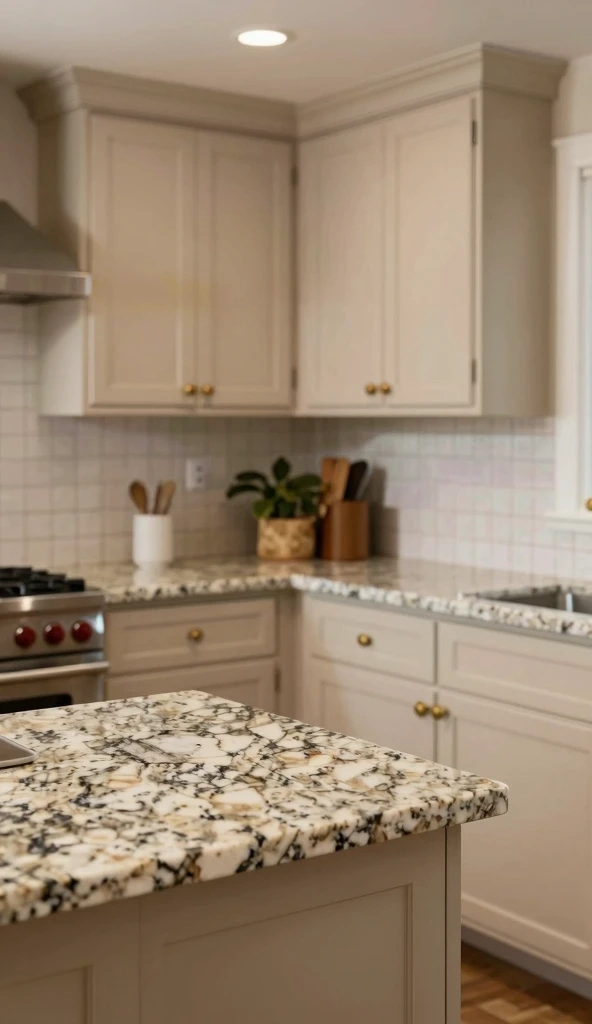
Beige cabinets combined with granite countertops create a warm and welcoming kitchen environment that feels comfortable and practical.
Granite surfaces add natural patterns and textures, enhancing the soft tones of beige cabinetry without overwhelming the design.
This combination works well in traditional kitchens where comfort and familiarity play an important role.
You can pair this design with simple finishes to maintain a cohesive and balanced look. Granite also provides durability, making it suitable for kitchens that experience regular use.
This pairing creates a space that feels inviting while remaining functional and easy to maintain.
Green Cabinets with Butcher Block Countertops
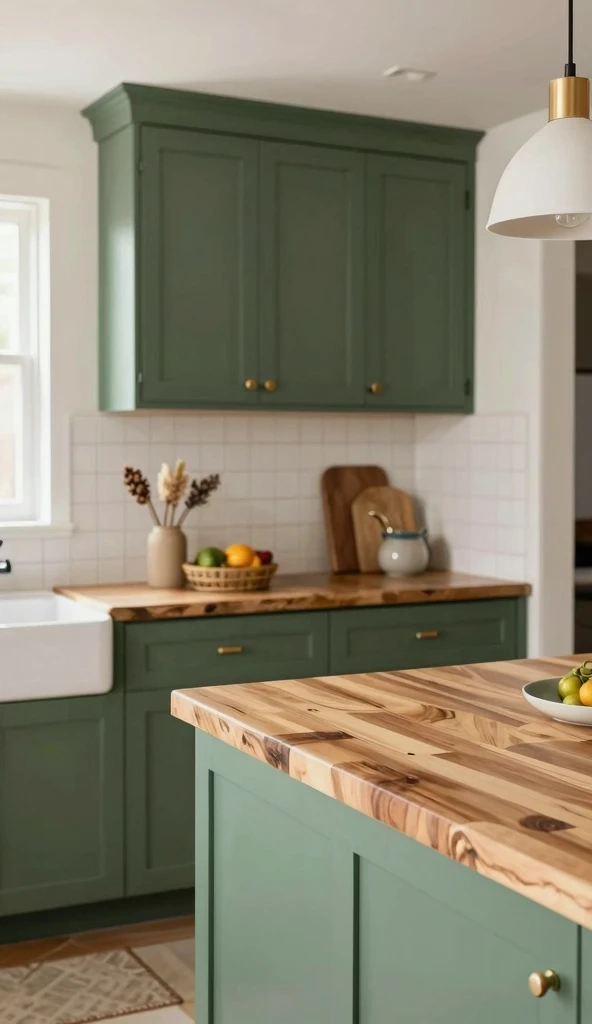
Green cabinets paired with butcher block countertops create a natural and refreshing kitchen design inspired by earthy tones and organic materials.
The warmth of wood surfaces balances the richness of green cabinetry, resulting in a calming and visually grounded atmosphere.
This combination works especially well for homeowners who appreciate nature-inspired interiors and relaxed design styles.
Butcher block countertops provide a practical workspace while adding texture and character to the overall layout.
You can enhance this pairing with simple lighting and neutral accents to maintain harmony throughout the space.
The result is a kitchen that feels inviting, comfortable, and closely connected to natural design elements.
Two-Tone Cabinets with Neutral Countertops
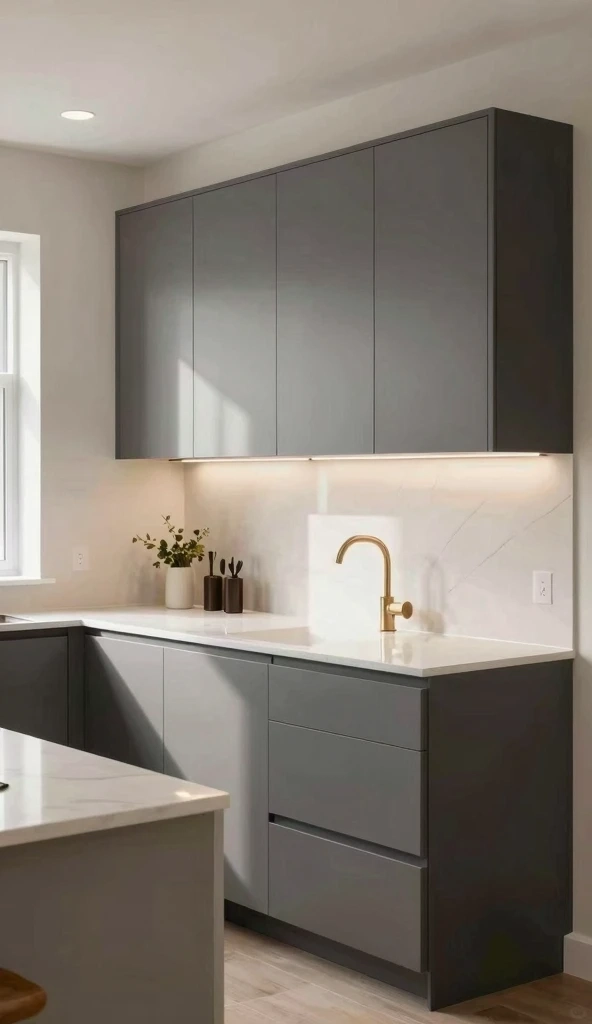
Two-tone cabinets combined with neutral countertops create a dynamic yet balanced kitchen design that feels modern and visually engaging.
Using different colors for upper and lower cabinets introduces depth while preventing the space from feeling flat or monotonous.
Neutral countertops act as a unifying element, ensuring the design remains cohesive and not overly complex.
This combination allows homeowners to experiment with contrast without compromising overall harmony. You can adjust tones based on lighting conditions to achieve the desired visual effect.
The result is a flexible and stylish kitchen cabinet and countertop combinations approach that suits various design preferences.
White Cabinets with Black Countertops
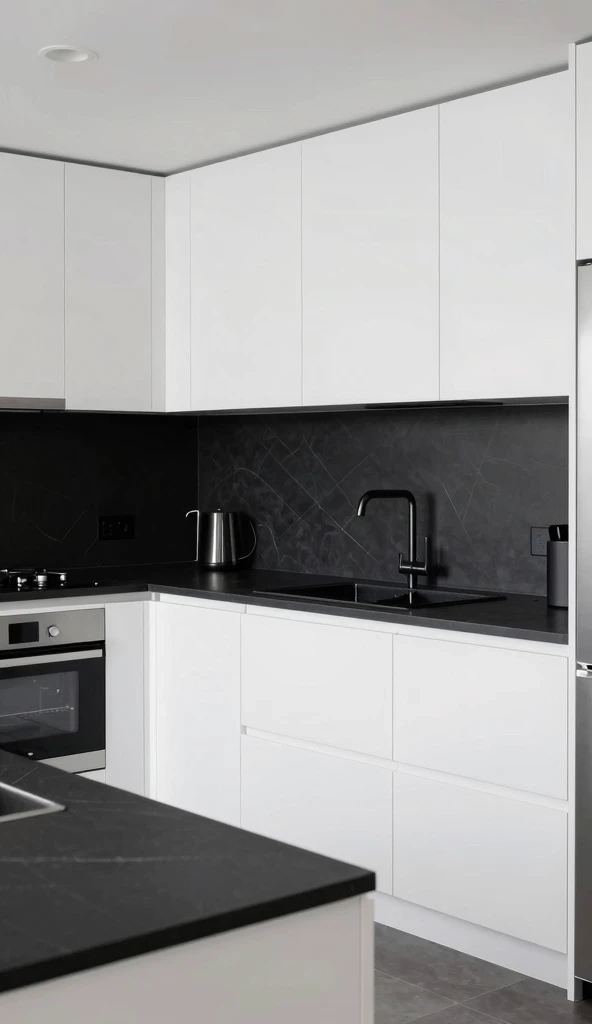
White cabinets paired with black countertops create a bold and timeless contrast that enhances structure and clarity in kitchen design.
This pairing works well in modern kitchens where clean lines and simplicity define the overall aesthetic.
Black countertops add depth and sophistication, while white cabinets maintain brightness and openness throughout the space. You can incorporate minimal accessories to keep the design focused and uncluttered.
This combination remains popular because it balances strong contrast with everyday practicality. It delivers a visually striking kitchen without sacrificing functionality or ease of maintenance.
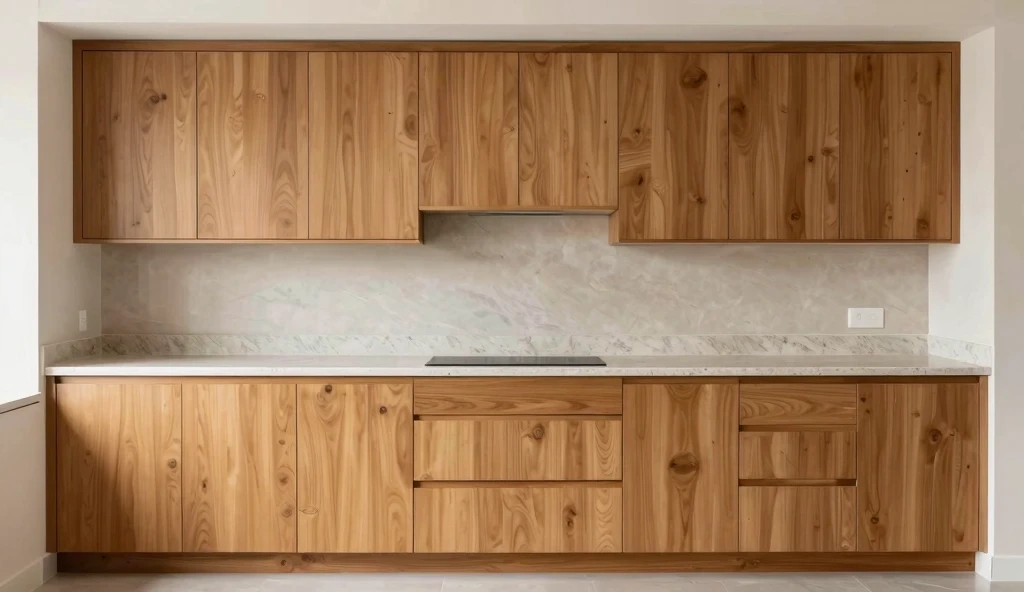
Light Wood Cabinets with White Countertops
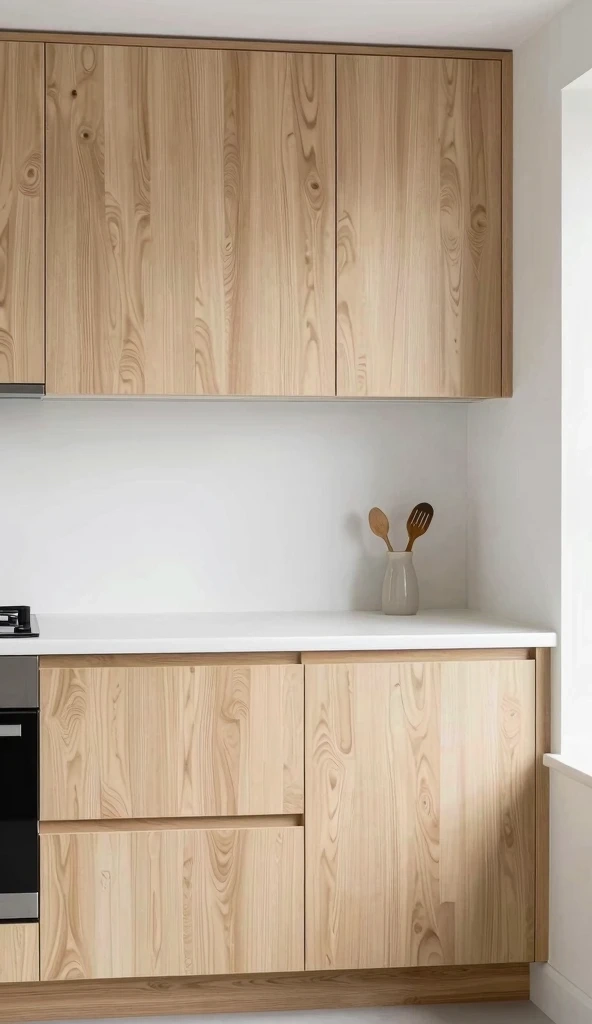
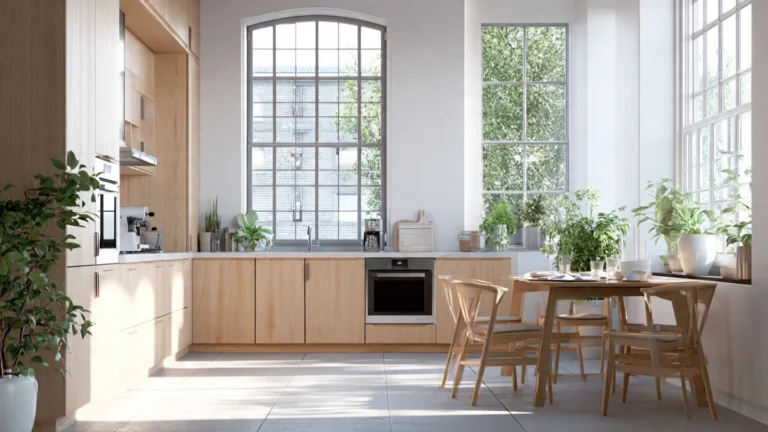
Light wood cabinets combined with white countertops create a fresh and airy kitchen design that feels simple yet inviting.
This pairing reflects natural light effectively, making it ideal for smaller kitchens that require brightness and openness.
The natural grain of wood adds warmth, while white surfaces maintain a clean and modern appearance.
This combination works well in Scandinavian-inspired interiors that emphasize simplicity and functionality.
You can enhance this design with subtle textures and neutral accents for added depth. The result is a balanced kitchen that feels both modern and naturally comfortable.
Charcoal Cabinets with Concrete Countertops
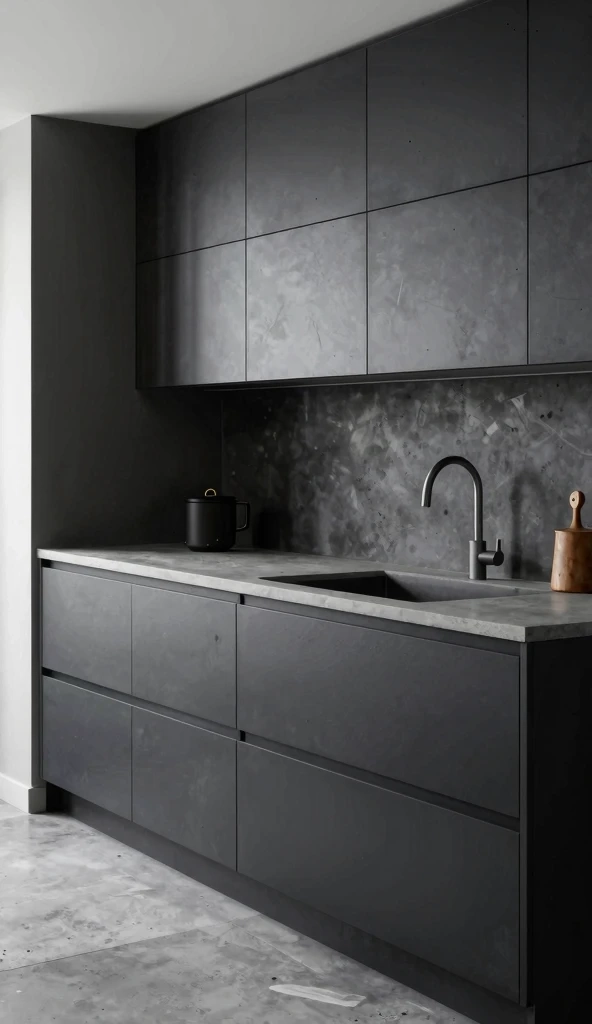
Charcoal cabinets paired with concrete countertops create a bold and industrial-inspired kitchen design that feels modern and distinctive.
Concrete surfaces introduce a raw texture that complements the depth of charcoal cabinetry, creating a layered visual effect.
This combination works well in urban spaces where contemporary design elements are preferred. You can use simple fixtures and lighting to enhance the industrial aesthetic without overwhelming the space.
Concrete countertops also offer durability, making them suitable for everyday kitchen use. The overall design feels strong, stylish, and perfectly suited for modern living environments.
Cream Cabinets with Brown Countertops
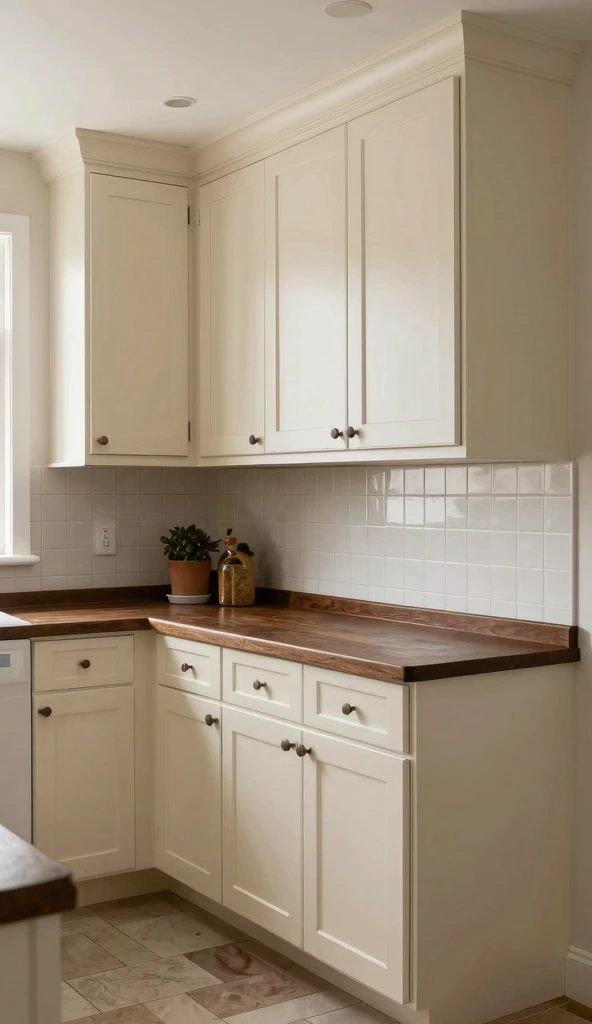
Cream cabinets combined with brown countertops create a warm and traditional kitchen design that feels cozy and welcoming.
This pairing blends soft tones with deeper hues, resulting in a harmonious and balanced visual effect. It works particularly well in kitchens designed for comfort and family-oriented spaces.
Brown countertops add richness, while cream cabinets maintain a light and inviting atmosphere.
You can enhance this combination with simple décor to preserve its natural charm. The result is a kitchen that feels timeless, comfortable, and highly functional for everyday use.
Blue Cabinets with White Marble Countertops
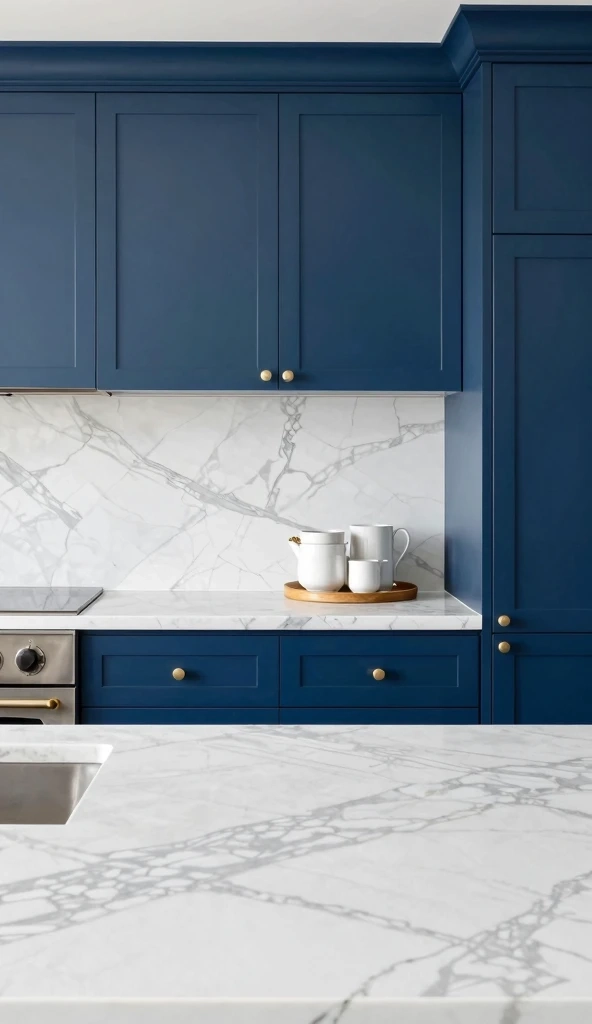
Blue cabinets paired with white marble countertops create a refined and elegant kitchen design that balances color with classic materials.
The richness of blue adds personality, while marble surfaces introduce texture through subtle veining patterns.
This combination works well in both modern and coastal-inspired kitchens where freshness and sophistication are desired.
You can use minimal accents to highlight the natural beauty of the materials without adding unnecessary complexity.
Marble requires proper care, but its visual appeal makes it a worthwhile choice for many homeowners. This pairing creates a kitchen that feels both stylish and timeless.
Matte Black Cabinets with Wooden Countertops
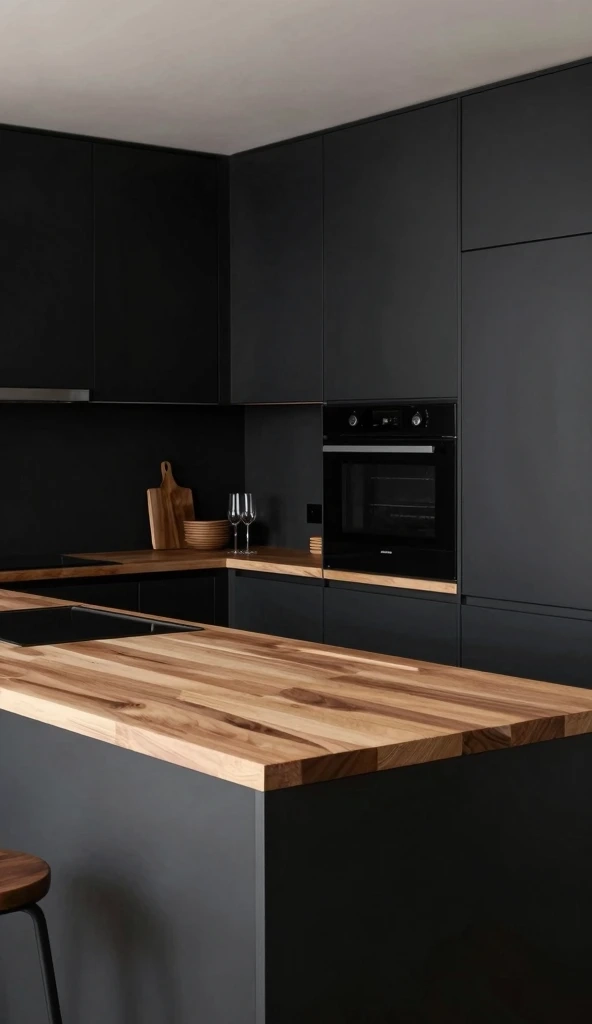
Matte black cabinets combined with wooden countertops create a bold yet inviting kitchen design that balances contrast with warmth.
The natural wood surface softens the intensity of black cabinetry, making the overall space feel more approachable and comfortable.
This combination works well in modern kitchens that incorporate organic elements for added character. You can enhance this pairing with soft lighting to highlight textures and improve visual balance.
Wooden countertops provide functionality while adding a natural touch to the design. The result is a kitchen that feels contemporary while still maintaining warmth and usability.
Pastel Cabinets with Light Stone Countertops
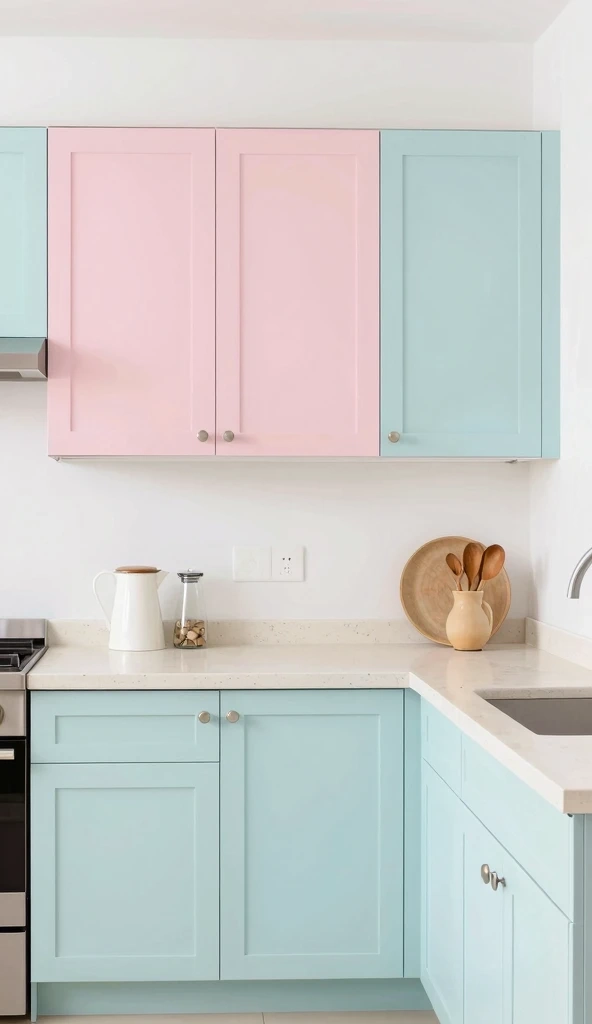
Pastel cabinets paired with light stone countertops create a soft and cheerful kitchen design that feels fresh and unique.
This combination works well in smaller kitchens where lighter tones help improve brightness and openness.
Pastel colors introduce personality without overwhelming the space, making them suitable for subtle yet distinctive designs.
Light stone countertops provide durability while maintaining a clean and balanced appearance.
You can complement this pairing with simple accents to keep the overall design cohesive. The result is a kitchen that feels welcoming, bright, and pleasantly different from traditional styles.
Common Mistakes to Avoid When Pairing Cabinets and Countertops
Many homeowners focus only on appearance when selecting kitchen cabinet and countertop combinations, which often leads to impractical and short-lived design choices.
Ignoring how materials perform under daily use can result in surfaces that stain easily or require constant maintenance.
Another common mistake involves neglecting lighting conditions, as colors may appear completely different under natural and artificial light sources.
Overusing bold contrasts without balancing elements can overwhelm the space and reduce overall visual harmony.
Choosing mismatched textures can also disrupt the design, making the kitchen feel uncoordinated and less appealing.
Careful planning helps you avoid these issues while ensuring your kitchen remains both functional and visually cohesive.
How Lighting Influences Kitchen Cabinet and Countertop Combinations
Lighting plays a crucial role in how kitchen cabinet and countertop combinations appear throughout the day and evening.
Natural light enhances true colors, while artificial lighting can alter tones depending on brightness and temperature.
Warm lighting creates a cozy atmosphere but may soften contrasts, while cool lighting highlights sharp details and modern designs.
You should consider under-cabinet lighting to illuminate countertops and improve visibility for daily tasks.
Reflective surfaces like quartz or polished stone interact differently with light compared to matte finishes.
By understanding lighting effects, you can create a kitchen that looks balanced and visually appealing in every situation.
Balancing Functionality with Style in Kitchen Design
A successful kitchen design combines visual appeal with practical functionality, ensuring that beauty does not compromise usability.
You should prioritize materials that handle daily wear while still contributing to the overall design aesthetic.
Storage, workflow, and accessibility all play important roles in shaping a kitchen that supports everyday activities efficiently.
Choosing the right kitchen cabinet and countertop combinations helps you achieve both durability and style without unnecessary trade-offs.
Simple layouts with thoughtful material choices often deliver better long-term results than overly complex designs.
When functionality and style work together, the kitchen becomes a space that feels both efficient and enjoyable to use.
Creative Ways to Personalize Your Kitchen Space
Personalizing your kitchen allows you to transform standard kitchen cabinet and countertop combinations into a space that reflects your individual taste.
You can introduce subtle accents, textures, and finishes that enhance the overall design without overpowering it.
Mixing materials thoughtfully creates visual interest while maintaining a cohesive and balanced appearance.
Adding unique hardware or incorporating open shelving can further highlight your chosen design style.
You should focus on small details that complement your primary color scheme and material choices. This approach ensures your kitchen feels distinctive while still maintaining harmony and functionality.
Final Wrap-Up
Choosing the right kitchen cabinet and countertop combinations requires thoughtful planning, attention to detail, and a clear understanding of your needs.
Each combination offers unique advantages, whether you prefer timeless elegance, modern contrast, or natural warmth in your kitchen design.
By considering factors like lighting, material durability, and color balance, you can create a space that feels both beautiful and practical.
Avoiding common mistakes and focusing on cohesive design ensures your kitchen remains functional and visually appealing for years.
With the right approach, your kitchen can become a well-designed space that supports daily life while reflecting your personal style.
Careful selection and maintenance will help you achieve a kitchen that feels complete, inviting, and perfectly suited to your lifestyle.