Victorian Dining Room Ideas: 13 Elegant Inspirations
If you love rich details, vintage charm, and royal-style interiors, you are in the right place. These Victorian dining room ideas will inspire you to transform your space into a warm and elegant dining experience.
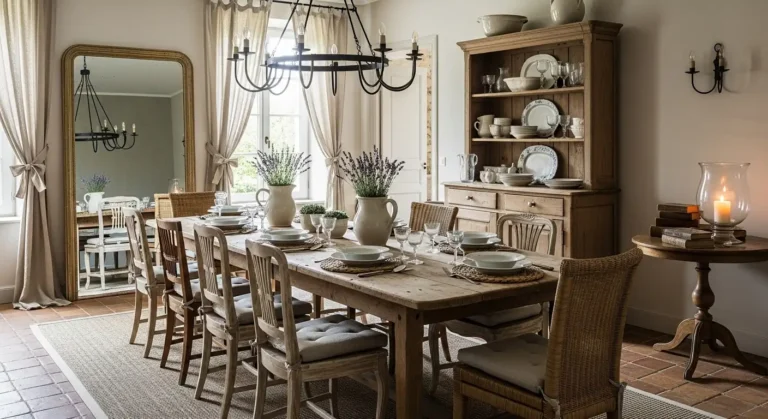
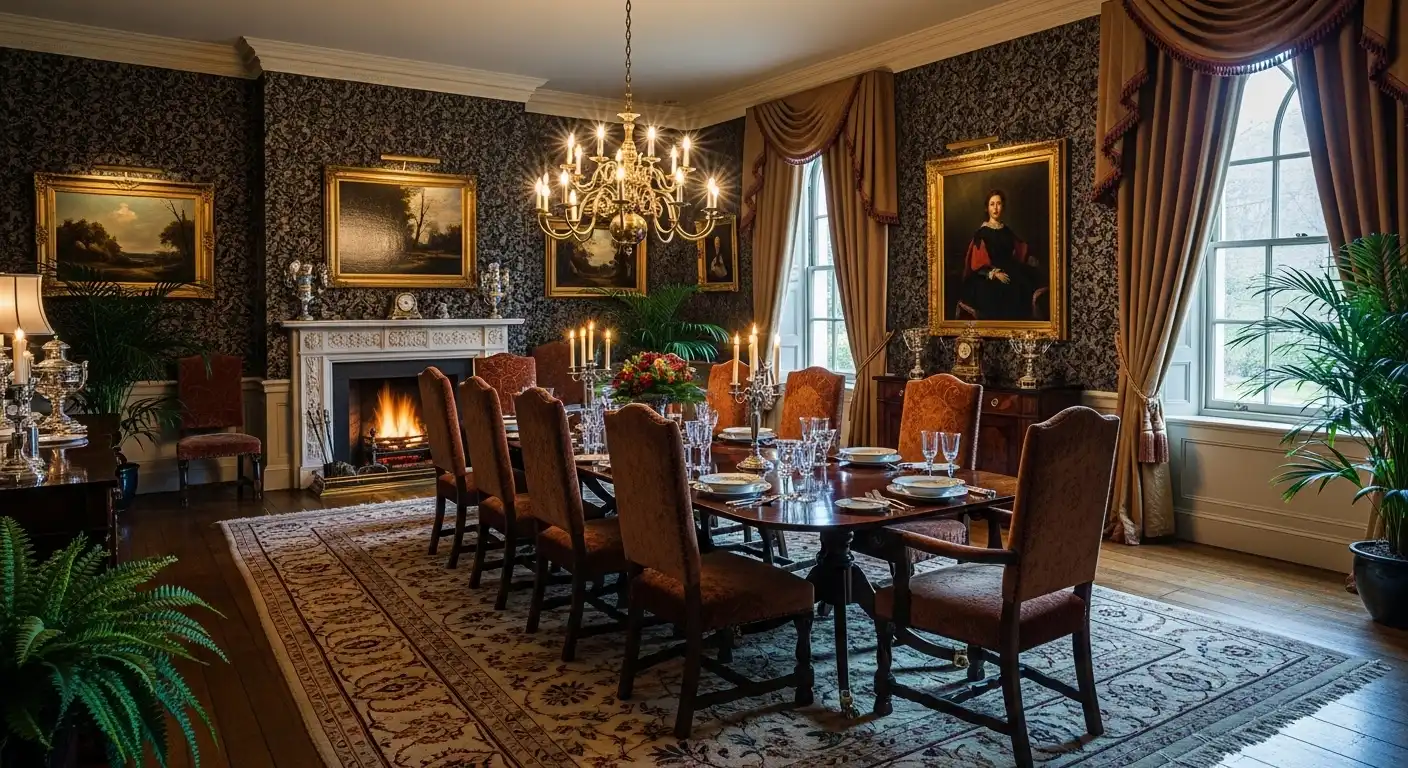
When I first stepped into an old Victorian house, the dining room stayed in my mind the longest. The tall ceilings, heavy wooden table, and detailed wall moldings made it feel like the room had its own quiet story. It wasn’t just a place to eat—it felt like history was still present in every corner.
That visit made me interested in Victorian dining room design. I started noticing how carved chairs, rich wood tones, and soft chandelier lighting can completely change the mood of a space. Even a simple table setup felt more elegant and meaningful.
I realized a Victorian dining room is not about looking old—it’s about creating warmth, depth, and character where people gather. In this article, I’ll share simple Victorian dining room ideas to help you bring that timeless charm into your own home.
Why Victorian Dining Rooms Still Inspire Modern Homes
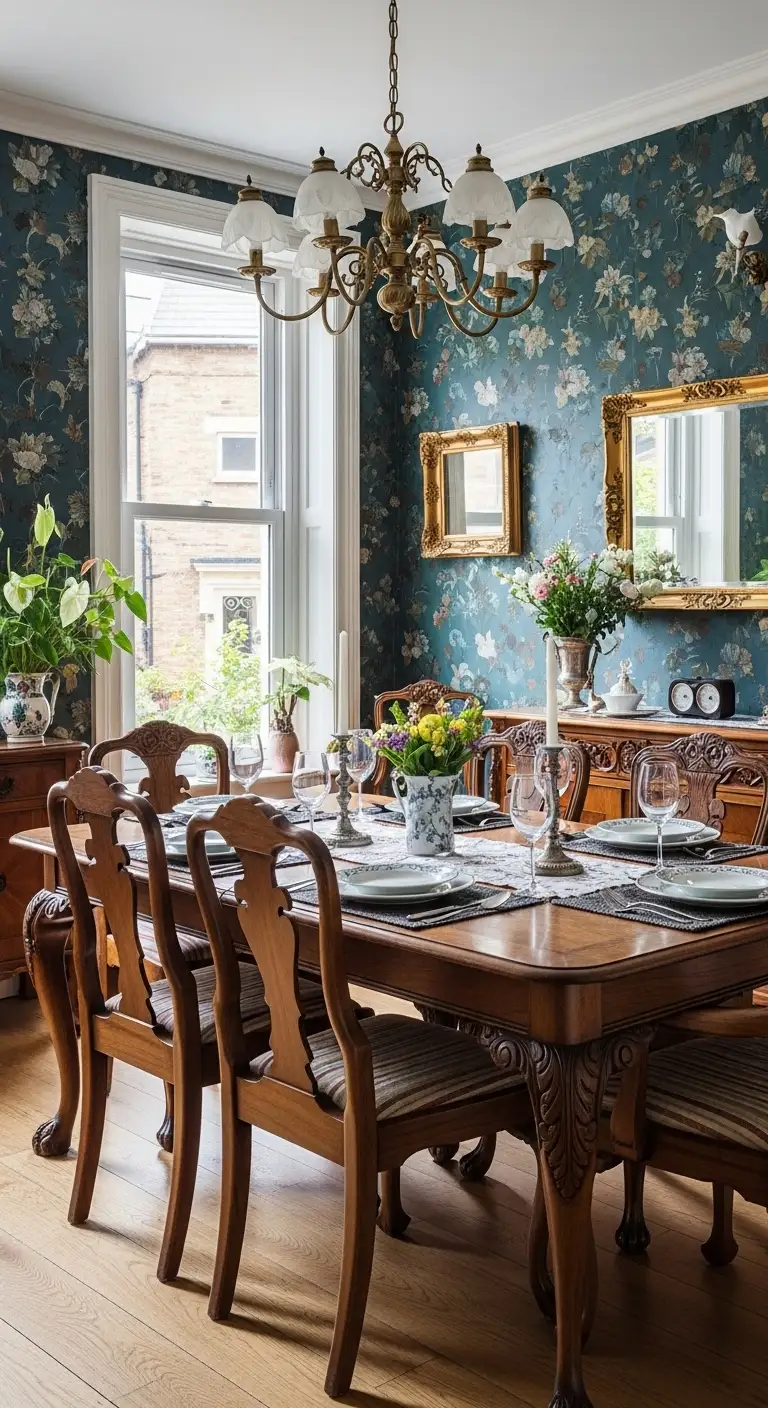
Victorian dining spaces continue to inspire homeowners because they bring a sense of character and depth that modern minimalist designs often lack.
These interiors celebrate artistic expression through carved furniture, bold color palettes, and layered decorative elements that transform ordinary dining areas into statement spaces.
A well-planned victorian dining room allows you to combine elegance with functionality, making it suitable for both everyday meals and special gatherings.
Many people appreciate how this style encourages personalization, allowing them to mix vintage pieces with subtle contemporary touches that enhance usability.
By embracing this design approach, you can create a dining environment that feels rich in history while remaining adaptable to modern needs.
Key Elements That Define a Victorian Dining Room
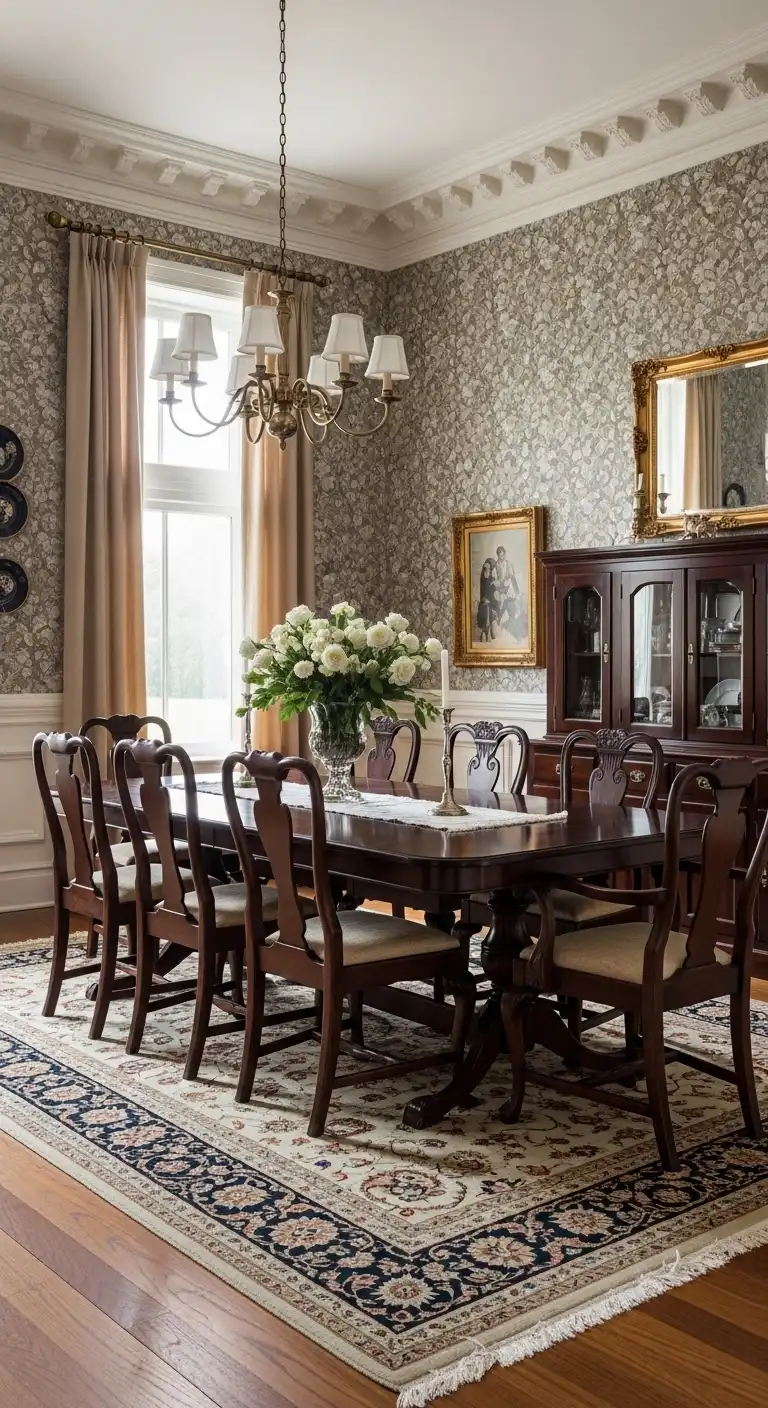
Understanding the core elements of a victorian dining room helps you design a cohesive and visually appealing space that reflects true Victorian character.
Dark wood furniture often forms the foundation, providing depth and structure while complementing ornate decorative details found throughout the room.
Intricate moldings, decorative wallpapers, and statement lighting fixtures contribute to the layered aesthetic that defines this design style.
Textiles also play an essential role, as curtains, rugs, and upholstery add softness while enhancing the room’s overall richness.
When you combine these elements thoughtfully, you can create a balanced interior that feels elegant, inviting, and historically inspired without appearing overly heavy.
13 Victorian Dining Room Ideas
Embrace Dark Wood Furniture
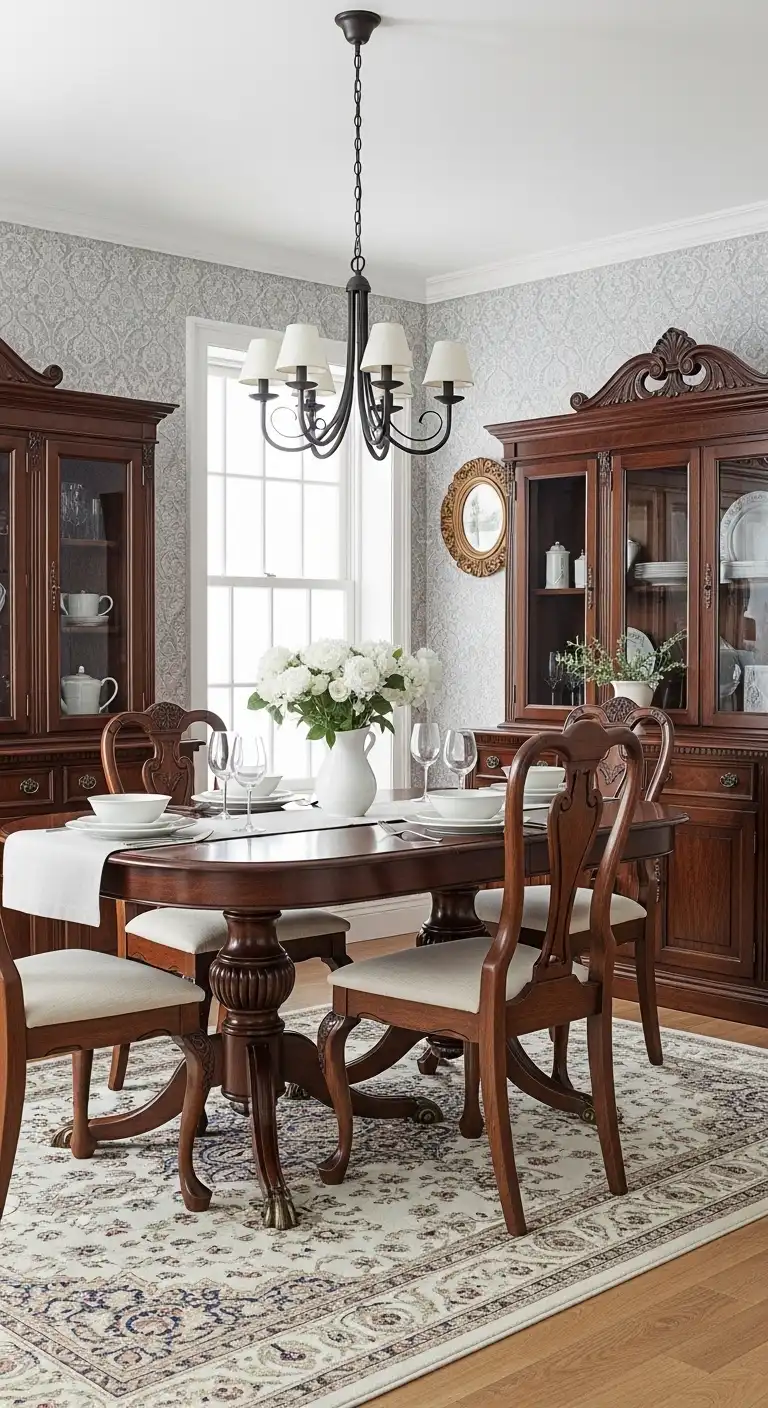
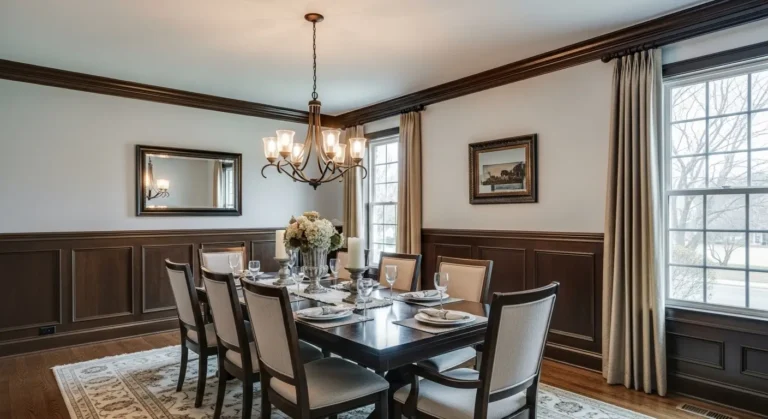
Dark wood furniture creates a strong visual foundation in a victorian dining room, instantly establishing a sense of tradition and timeless sophistication.
Pieces crafted from mahogany or walnut often feature intricate carvings that highlight the craftsmanship typical of the Victorian era.
These furniture choices bring warmth and depth to the space while serving as functional elements for everyday dining use.
To prevent the room from feeling too heavy, you can balance darker tones with lighter table linens or subtle decorative accents.
This thoughtful contrast ensures the space remains inviting while maintaining its classic and elegant character.
Use Ornate Wallpaper for a Classic Look
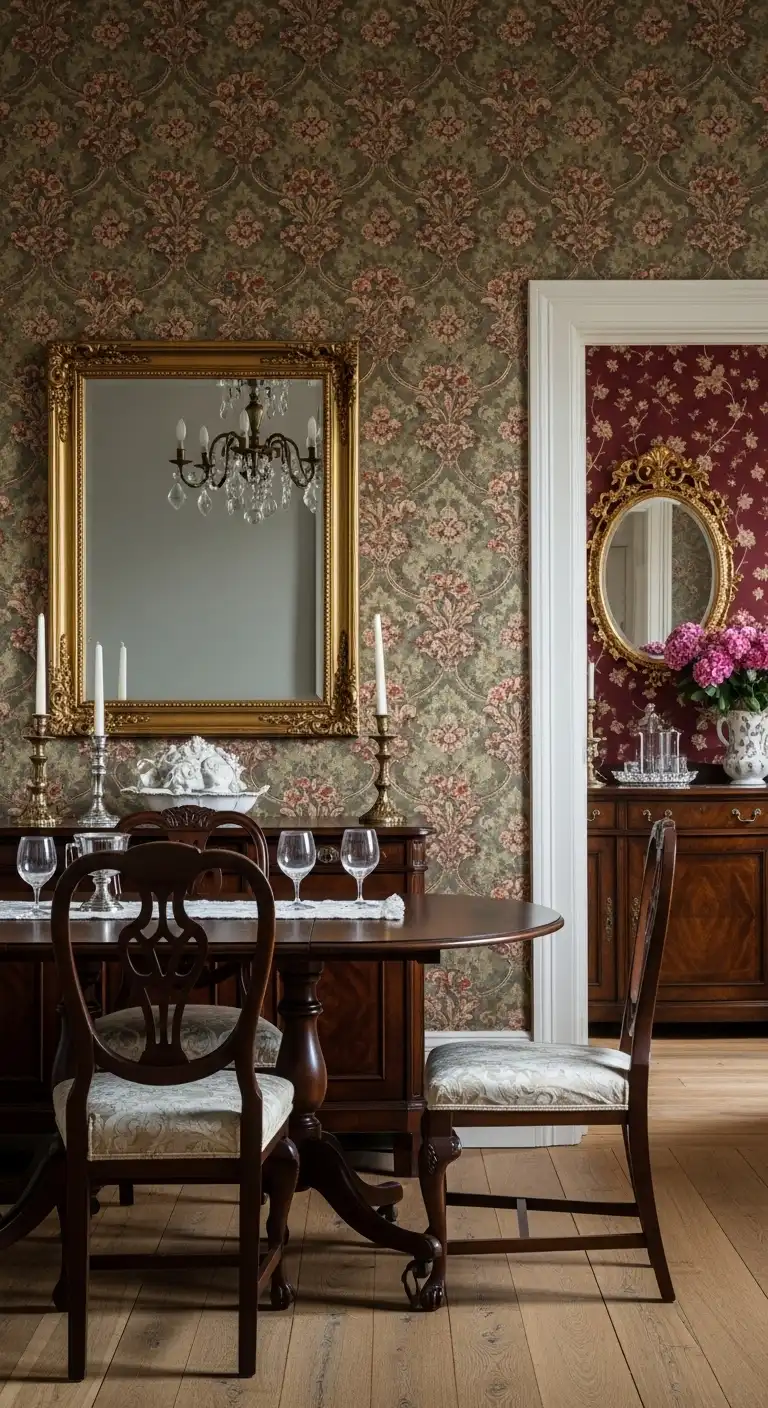
Ornate wallpaper plays a vital role in shaping the identity of a victorian dining room, adding visual interest through intricate patterns and rich textures.
Designs such as floral motifs, damask prints, and vintage-inspired patterns create depth and enhance the room’s overall elegance.
These wallpapers often serve as a backdrop that ties together furniture, lighting, and decorative accessories in a cohesive manner.
Choosing colors like deep reds, greens, or muted neutrals allows you to maintain authenticity while still adapting to modern preferences.
By carefully selecting wallpaper, you can transform plain walls into a defining feature of your dining space.
Incorporate Statement Chandeliers
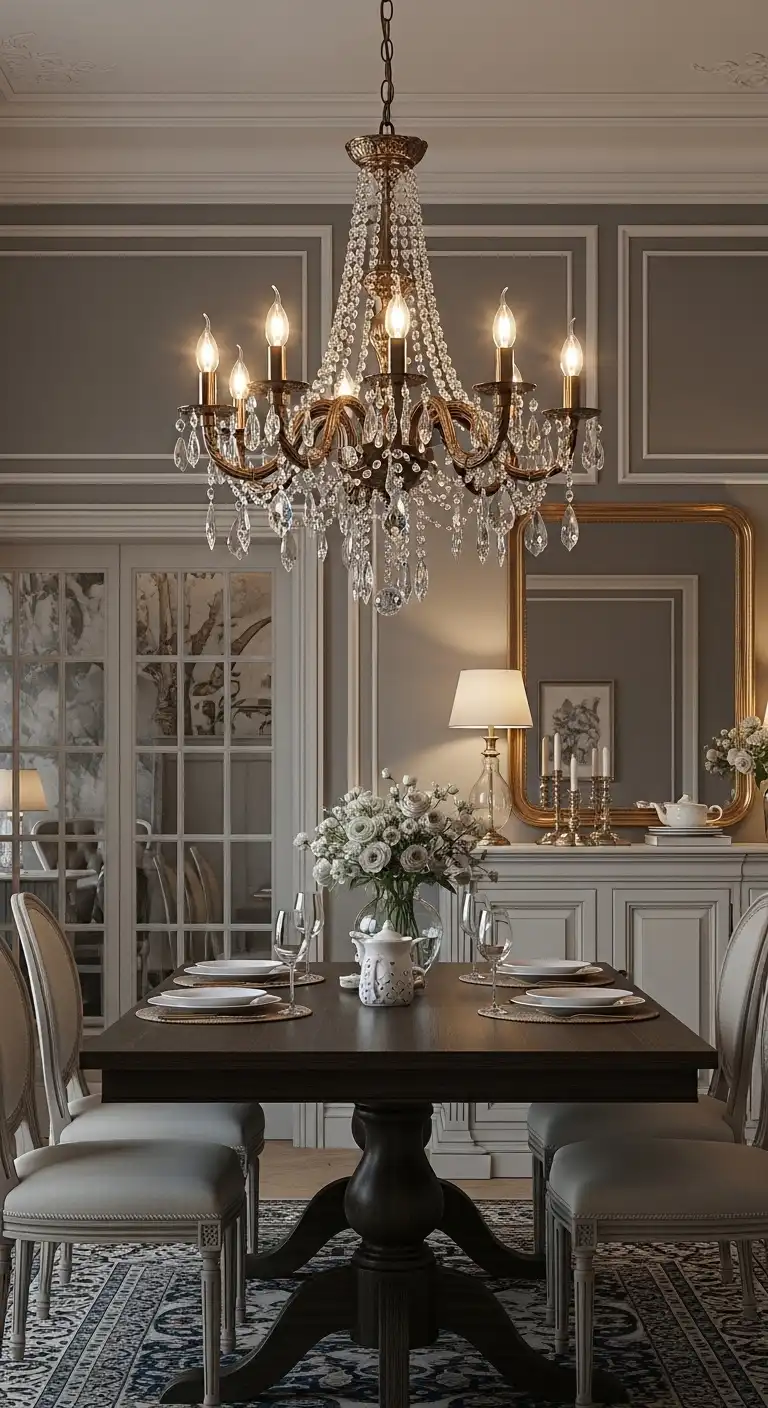
A statement chandelier acts as a centerpiece in a victorian dining room, drawing attention while elevating the overall ambiance of the space.
These lighting fixtures often feature crystal details or antique-inspired designs that reflect light beautifully across the room.
Positioning the chandelier directly above the dining table ensures it enhances both functionality and visual appeal.
Proper lighting not only illuminates the area but also highlights other design elements such as furniture and wall décor.
By selecting the right chandelier, you can create a focal point that brings elegance and cohesion to your dining area.
Add Decorative Moldings to Enhance
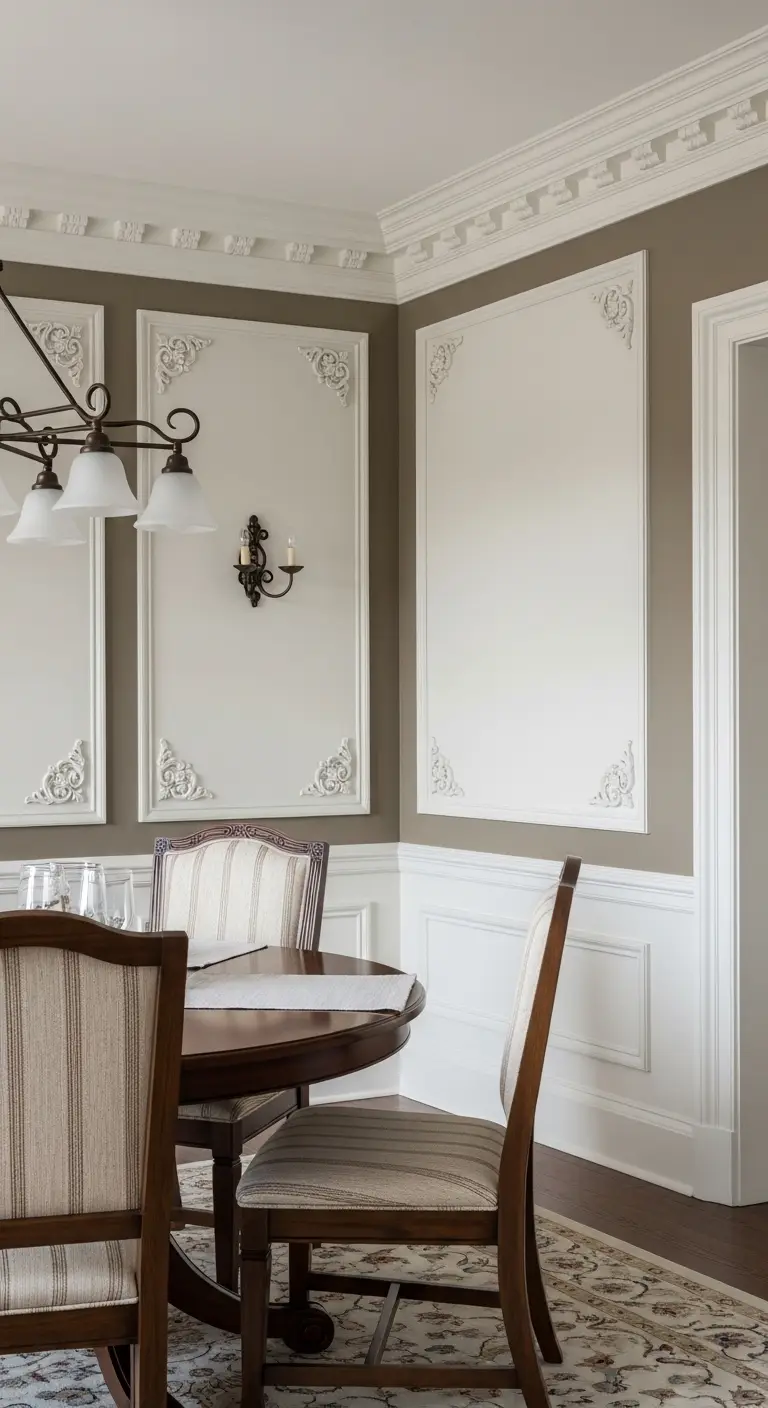
Decorative moldings add architectural depth to a victorian dining room, transforming simple walls into visually engaging design elements.
These details create structure and symmetry, which are essential characteristics of traditional Victorian interiors.
You can use crown moldings, wall panels, or chair rails to introduce subtle sophistication without overwhelming the space.
Painting moldings in complementary or contrasting colors helps highlight their intricate design and enhances the overall aesthetic.
With careful placement, moldings can elevate the room’s appearance while maintaining a refined and balanced look.
Layer Textiles for a Cozy Victorian Dining Room Atmosphere
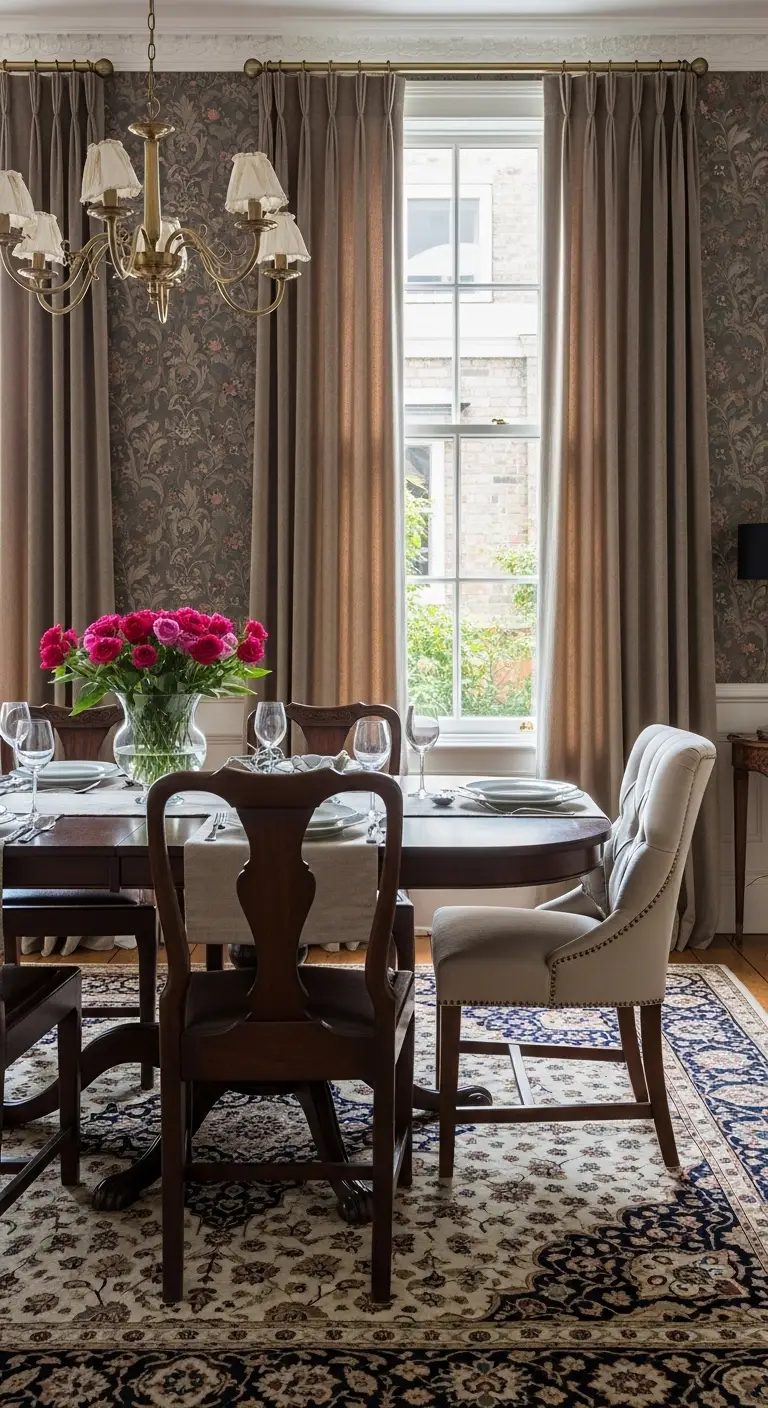
Layering textiles is an effective way to create warmth and comfort in a victorian dining room, making the space feel inviting and visually rich.
Heavy curtains, upholstered chairs, and patterned rugs contribute to a cohesive design that reflects Victorian elegance.
Mixing different textures such as velvet, cotton, and silk adds depth while preventing the room from feeling flat or monotonous.
These elements also improve comfort, making the dining area suitable for long meals and gatherings.
By combining textures thoughtfully, you can achieve a balanced environment that feels both luxurious and practical.
Display Antique Accessories in Your Victorian Dining Room
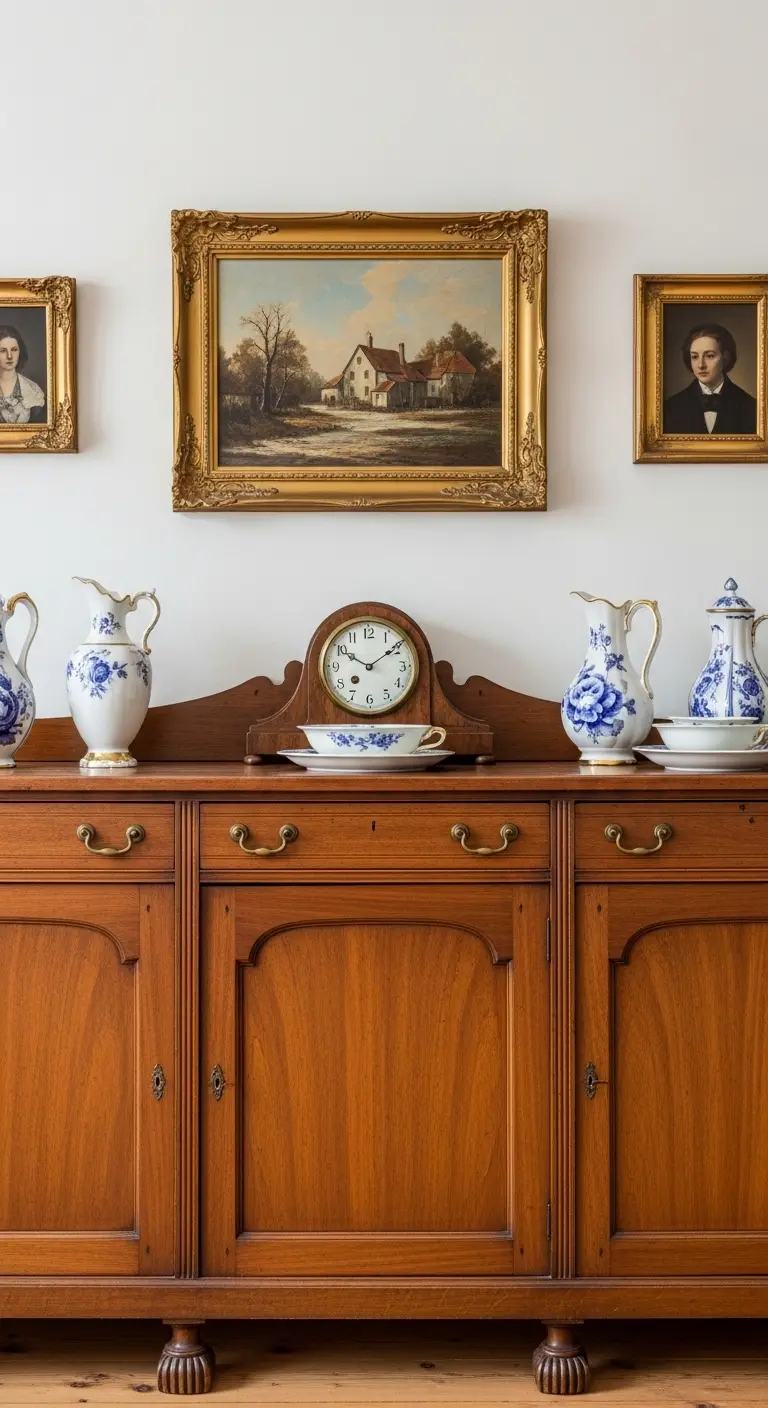
Antique accessories add personality and historical depth to a victorian dining room, helping you create a space that feels curated and meaningful.
Items such as vintage clocks, framed artwork, and porcelain décor pieces introduce character without overwhelming the overall design.
These decorative elements work best when placed thoughtfully on sideboards, shelves, or dining cabinets to maintain visual balance.
You should avoid overcrowding surfaces because negative space helps each antique piece stand out more effectively.
By carefully selecting accessories, you can enhance authenticity while maintaining a refined and elegant dining atmosphere.
Choose Rich Color Palettes
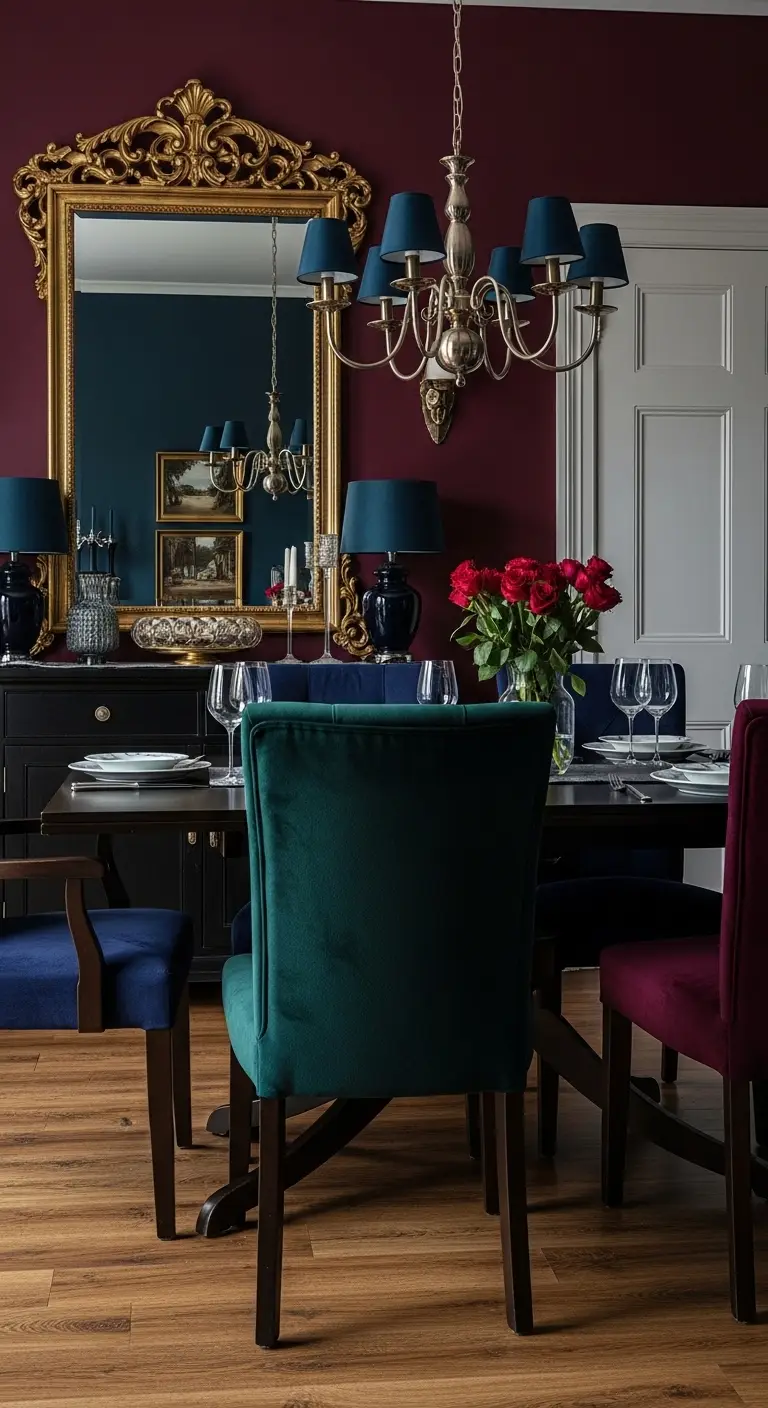
Rich color palettes define the emotional tone of a victorian dining room, creating depth and sophistication through carefully selected hues.
Shades like deep burgundy, emerald green, and navy blue often dominate Victorian-inspired interiors due to their dramatic yet elegant presence.
These colors pair beautifully with dark wood furniture, metallic accents, and textured fabrics commonly used in this design style.
To maintain balance, you should introduce neutral tones through walls or accessories that soften the overall visual impact.
This combination ensures the room feels luxurious while remaining comfortable and visually harmonious for everyday use.
Incorporate Large Mirrors
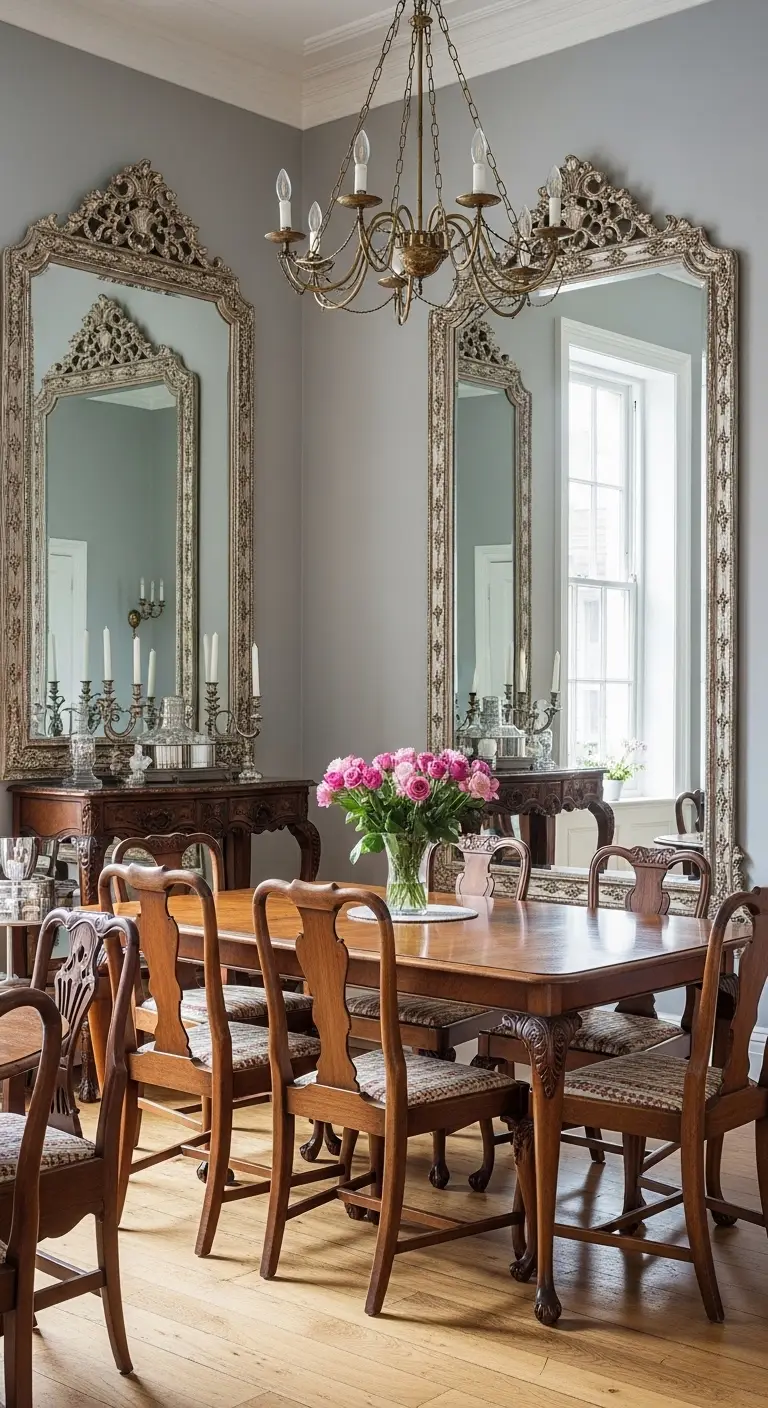
Large mirrors enhance both space and light in a victorian dining room, making the interior feel more open and visually dynamic.
Ornate mirror frames with carved details complement traditional Victorian furniture and reinforce the overall design theme.
When placed strategically, mirrors reflect natural and artificial light, improving brightness and enhancing the room’s ambiance.
They also create the illusion of a larger space, which is especially useful in compact dining areas.
By selecting well-designed mirrors, you can elevate elegance while improving functionality within the room.
Use Elegant Table Settings
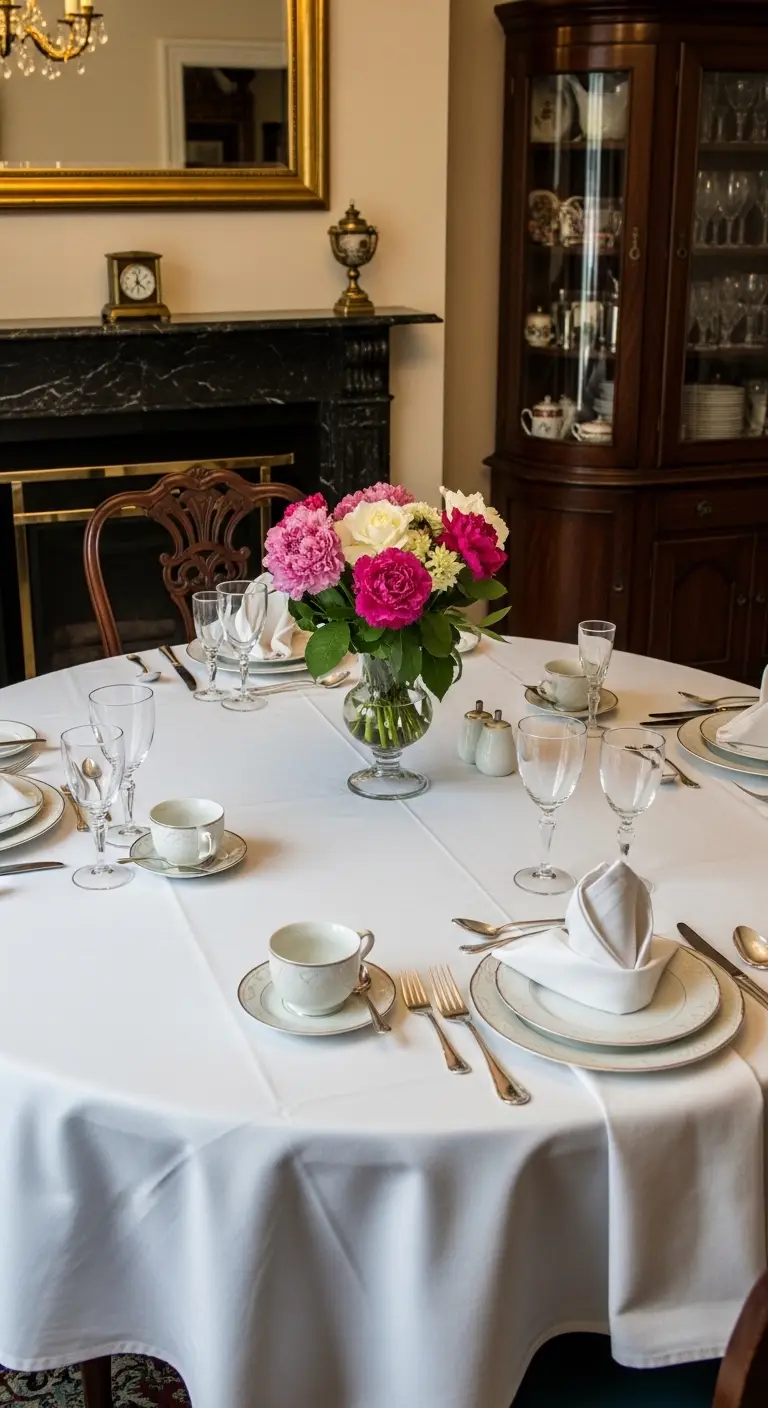
Elegant table settings play a crucial role in defining the atmosphere of a victorian dining room, turning everyday meals into refined experiences.
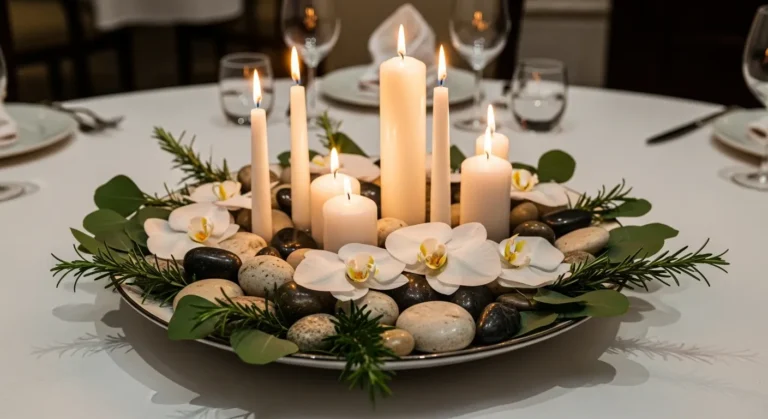
Layered tablecloths, fine porcelain, and polished cutlery contribute to a sophisticated and carefully arranged dining presentation.
Each element should complement the overall room design while maintaining a sense of balance and visual harmony.
Attention to detail in table arrangement reflects the Victorian emphasis on refinement and hospitality.
By styling your table thoughtfully, you can enhance both aesthetic appeal and dining enjoyment.
Install Fireplace Features
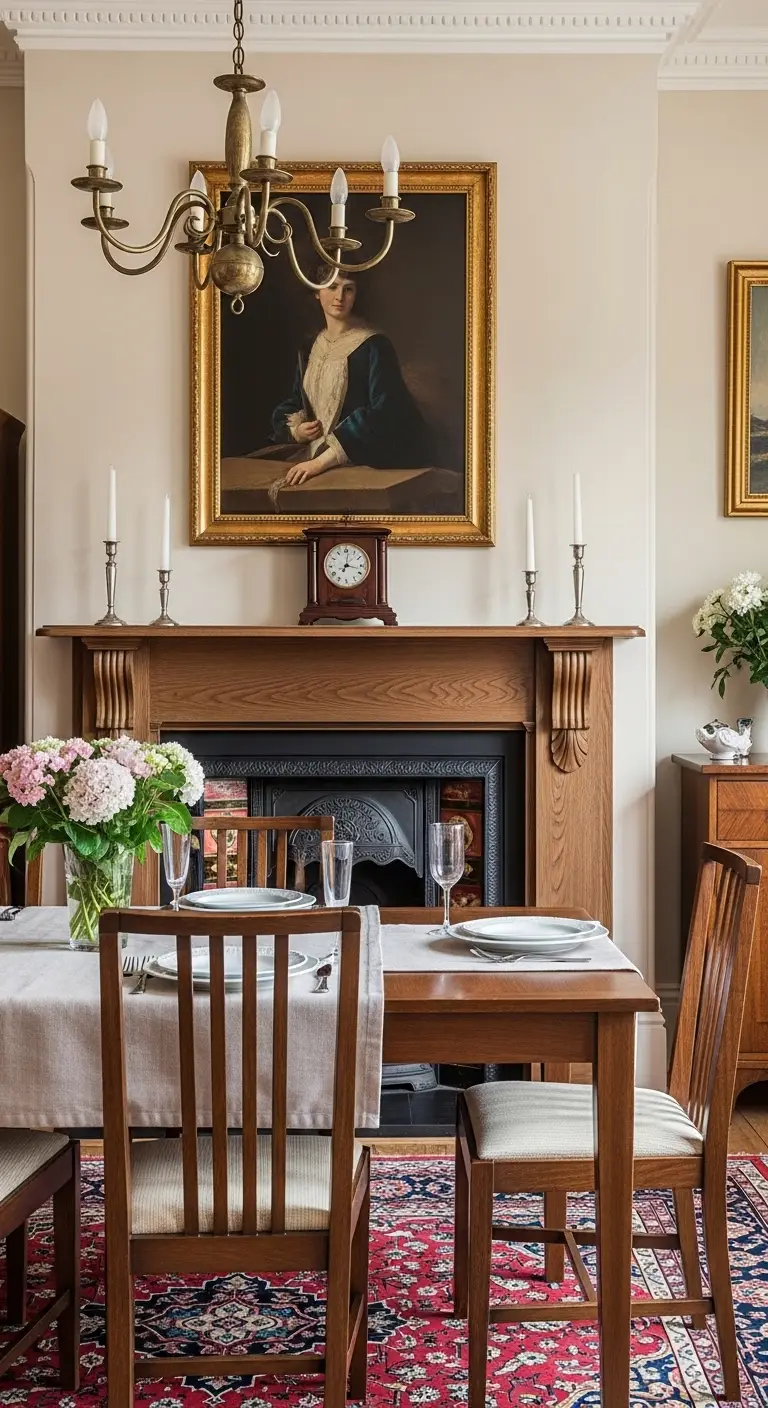
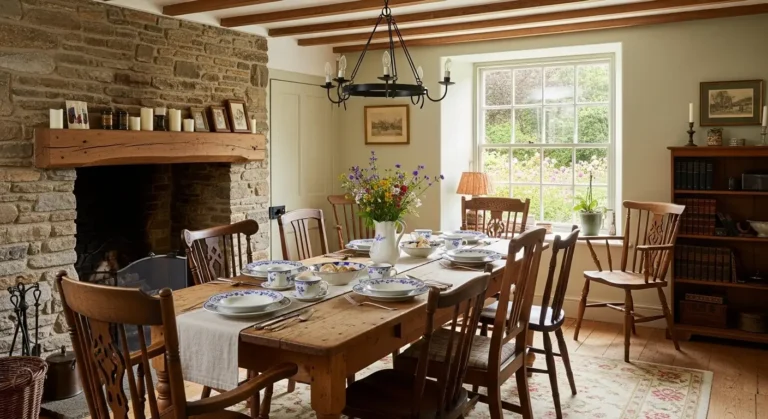
A fireplace adds warmth and traditional charm to a victorian dining room, serving as both a functional and decorative centerpiece.
Decorative mantels offer additional space for displaying artwork, candles, or antique-inspired accessories.
This feature enhances the cozy atmosphere while reinforcing the historical authenticity of Victorian interior design.
Proper placement ensures the fireplace complements surrounding furniture without dominating the entire room.
By incorporating this feature, you create a welcoming environment that feels timeless and elegant.
Combine Vintage and Modern Elements
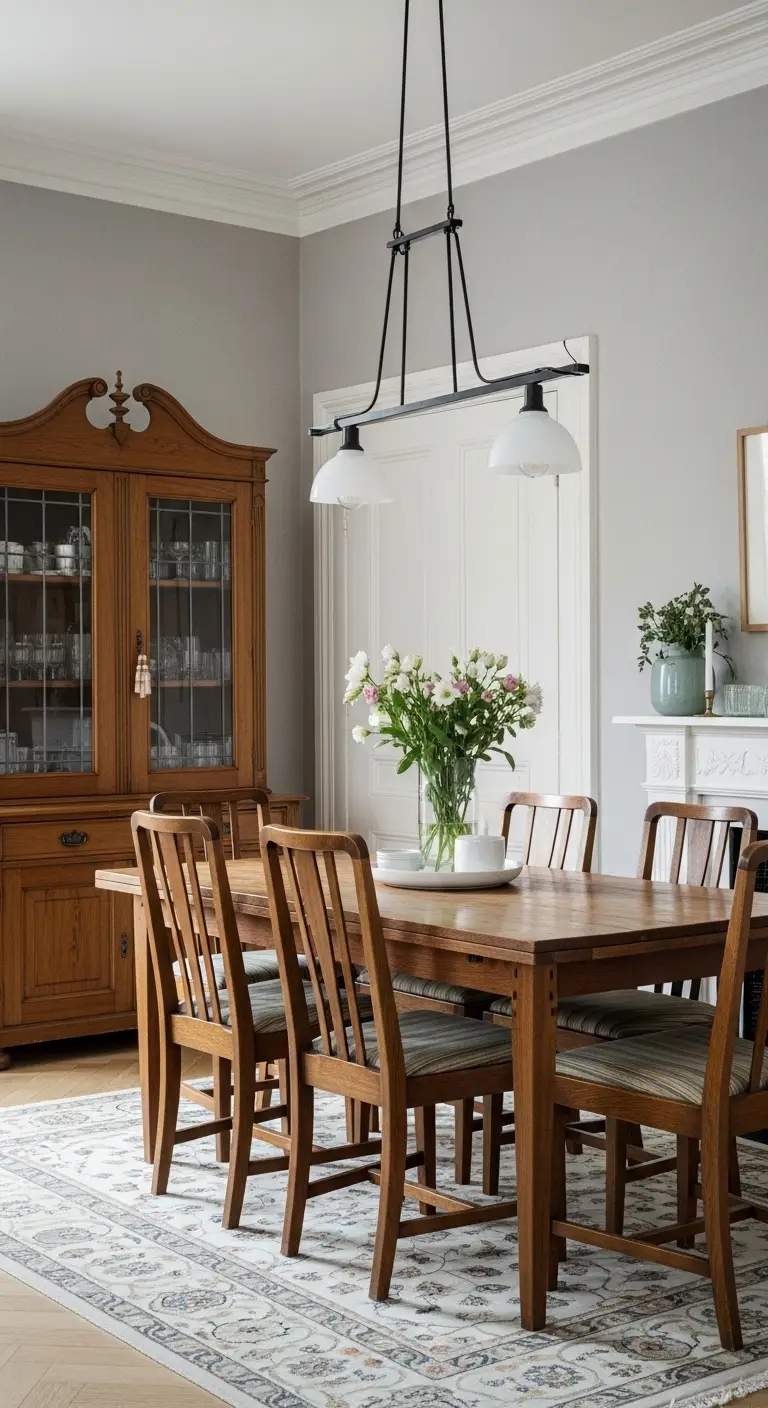
Blending vintage and modern elements allows you to design a flexible victorian dining room that suits contemporary living needs.
You can retain traditional furniture while introducing modern lighting or simplified décor for a balanced aesthetic.
This combination prevents the space from feeling outdated while preserving its historical charm and identity.
Careful integration ensures both styles complement each other rather than compete for attention.
By merging old and new design elements, you create a functional and visually appealing dining environment.
Highlight Flooring with Classic Designs
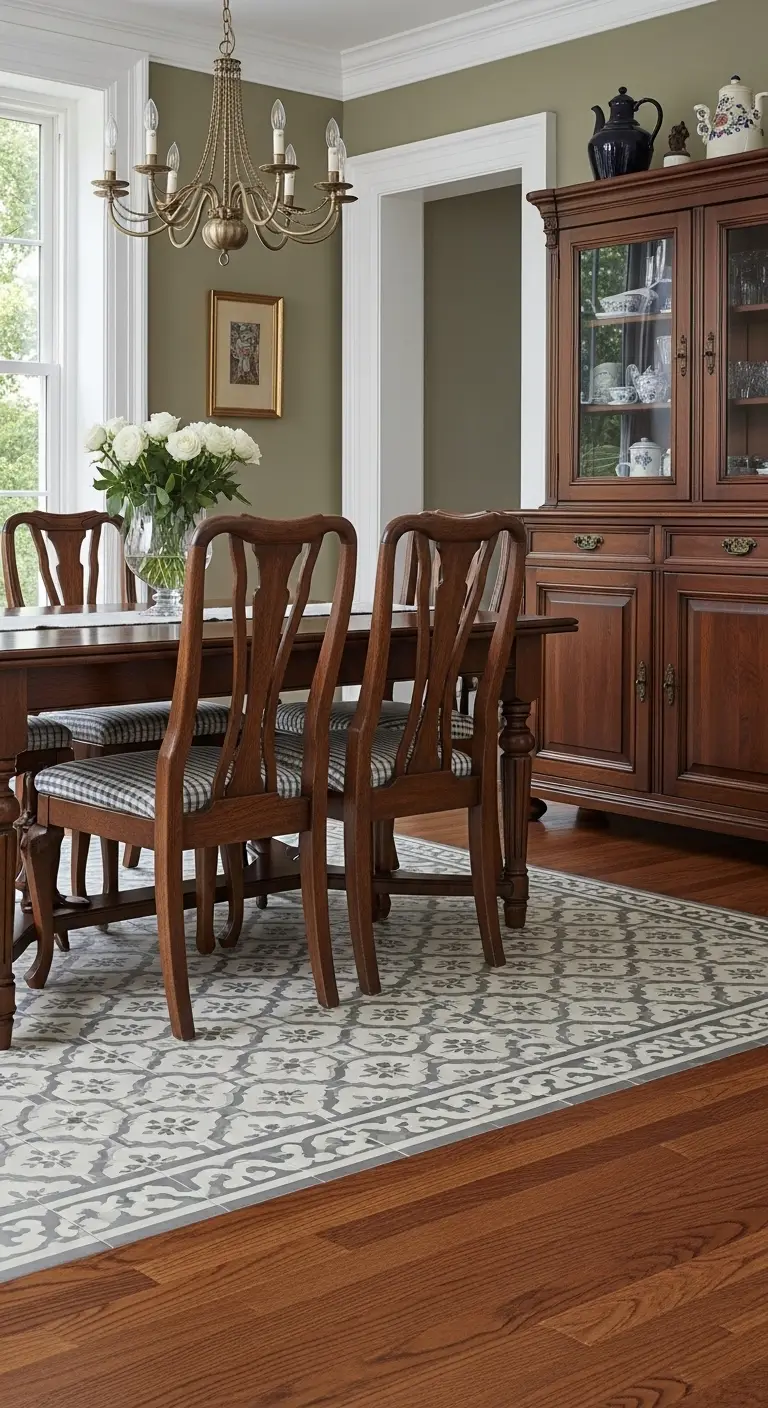
Flooring plays an essential role in defining a victorian dining room, grounding the space with texture and visual stability.
Hardwood floors with rich finishes often work best, as they complement traditional furniture and decorative details.
Patterned tiles can also be used to introduce subtle complexity while maintaining historical authenticity.
Durable materials ensure long-lasting performance while preserving the room’s elegant appearance over time.
By selecting appropriate flooring, you strengthen the foundation of your entire interior design.
Create a Focal Point in Your Victorian Dining Room
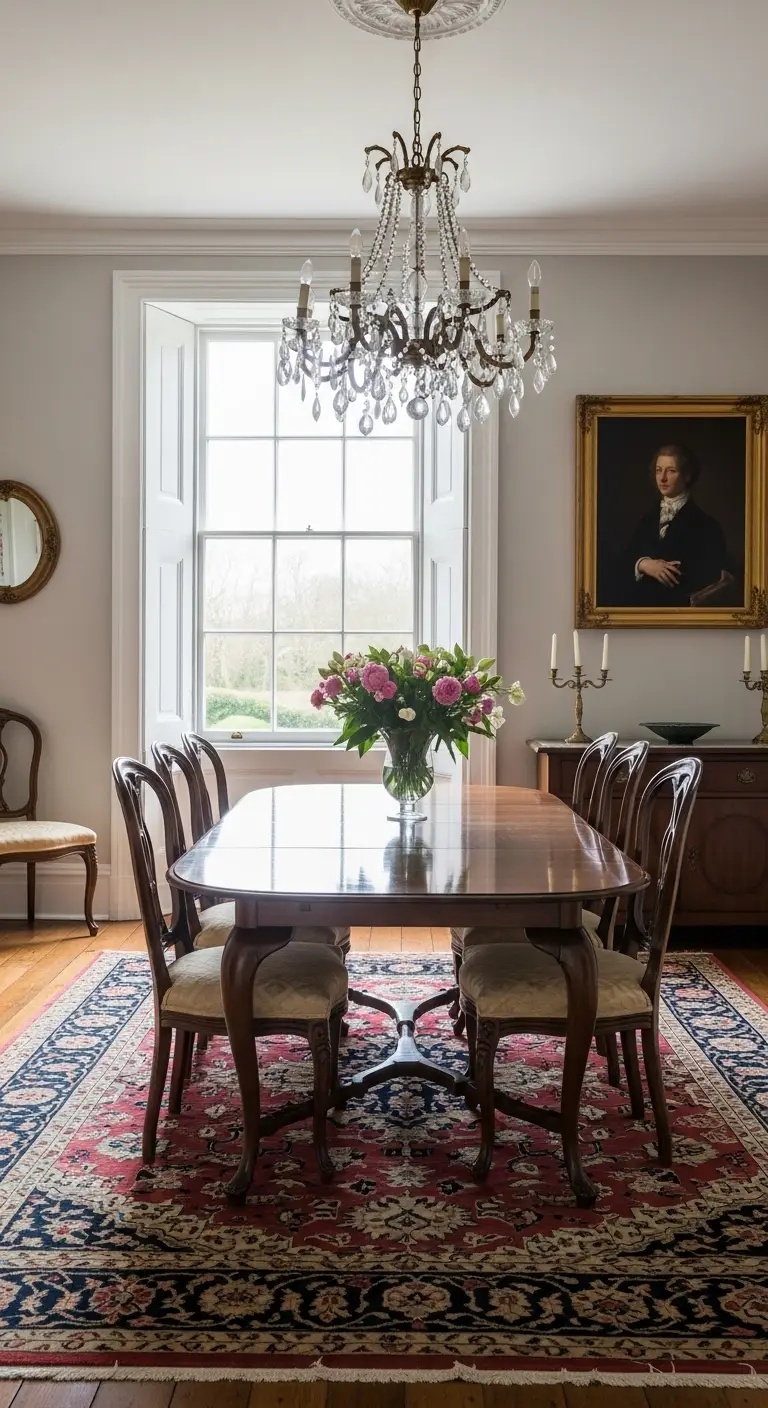
Every victorian dining room benefits from a strong focal point that anchors the design and guides visual attention.
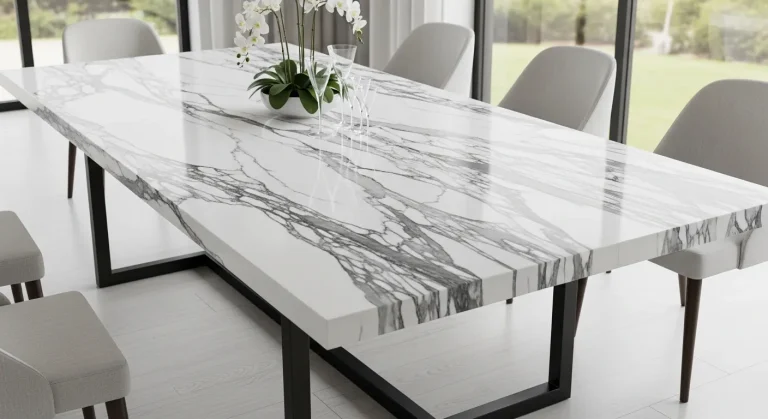
This focal point may include a statement dining table, an elaborate chandelier, or a striking piece of artwork.
Establishing one dominant feature helps organize the space and prevents visual clutter from distracting the eye.
All surrounding elements should complement the focal point rather than compete with it for attention.
By designing around a central feature, you achieve balance, harmony, and visual clarity in the room.
Styling Tips to Maintain Authentic Victorian Dining Room Appeal
Maintaining authenticity in a victorian dining room requires careful attention to proportion, material selection, and decorative balance throughout the entire space.
You should prioritize quality over quantity when selecting furniture and décor items, because Victorian design values refinement rather than cluttered decoration.
Each element should contribute meaningfully to the overall atmosphere while supporting the historical character of the interior design style.
Modern additions can be included, but they must remain subtle enough to preserve the traditional identity of the room.
By combining thoughtful curation with consistent styling choices, you can maintain elegance without losing practicality in everyday use.
Common Mistakes to Avoid in a Victorian Dining Room Design
Many homeowners unintentionally overcrowd their victorian dining room, which reduces visual clarity and makes the space feel heavy and overwhelming.
Overusing dark tones without proper balance can also create a closed atmosphere that lacks brightness and comfort for daily dining activities.
Another common mistake involves ignoring lighting design, which results in uneven illumination and diminishes the room’s decorative details.
Mixing too many unrelated styles can disrupt harmony and weaken the historical integrity of Victorian-inspired interiors.
By avoiding these mistakes, you can create a more balanced, functional, and visually appealing dining environment.
Final Thoughts
Designing a victorian dining room allows you to express elegance, tradition, and personality through carefully selected furniture, colors, and decorative elements.
This style works best when you balance historical inspiration with modern comfort, ensuring the space remains practical for everyday living.
Every detail, from lighting to textiles, contributes to a cohesive atmosphere that reflects timeless sophistication and refined taste.
You should focus on creating harmony between bold Victorian features and subtle contemporary updates for long-lasting visual appeal.
By following these ideas, you can build a dining space that feels both luxurious and welcoming for years to come.