11 Kitchen Sink Design Ideas for a Modern Home
The kitchen sink is used every day, but that doesn’t mean it has to be boring. From sleek modern styles to rustic charm, these kitchen sink design ideas will help you find the perfect match for your kitchen.
When we first moved into our home, I didn’t think much about the kitchen sink design. It was just a basic stainless-steel sink that did its job, but didn’t really add anything to the space.
Over time, small issues like water splashing and a shallow basin made everyday tasks more frustrating than I expected. That’s when I realized how much a kitchen sink design actually affects daily comfort in the kitchen.
I started looking at different options, from deep farmhouse sinks to modern undermount styles, and even small upgrades made a big difference.
Now I see the sink as more than just a utility—it’s one of the most used parts of the kitchen, and the right kitchen sink design can quietly improve the whole cooking and cleaning experience.
Essential Considerations Before Choosing Kitchen Sink Design
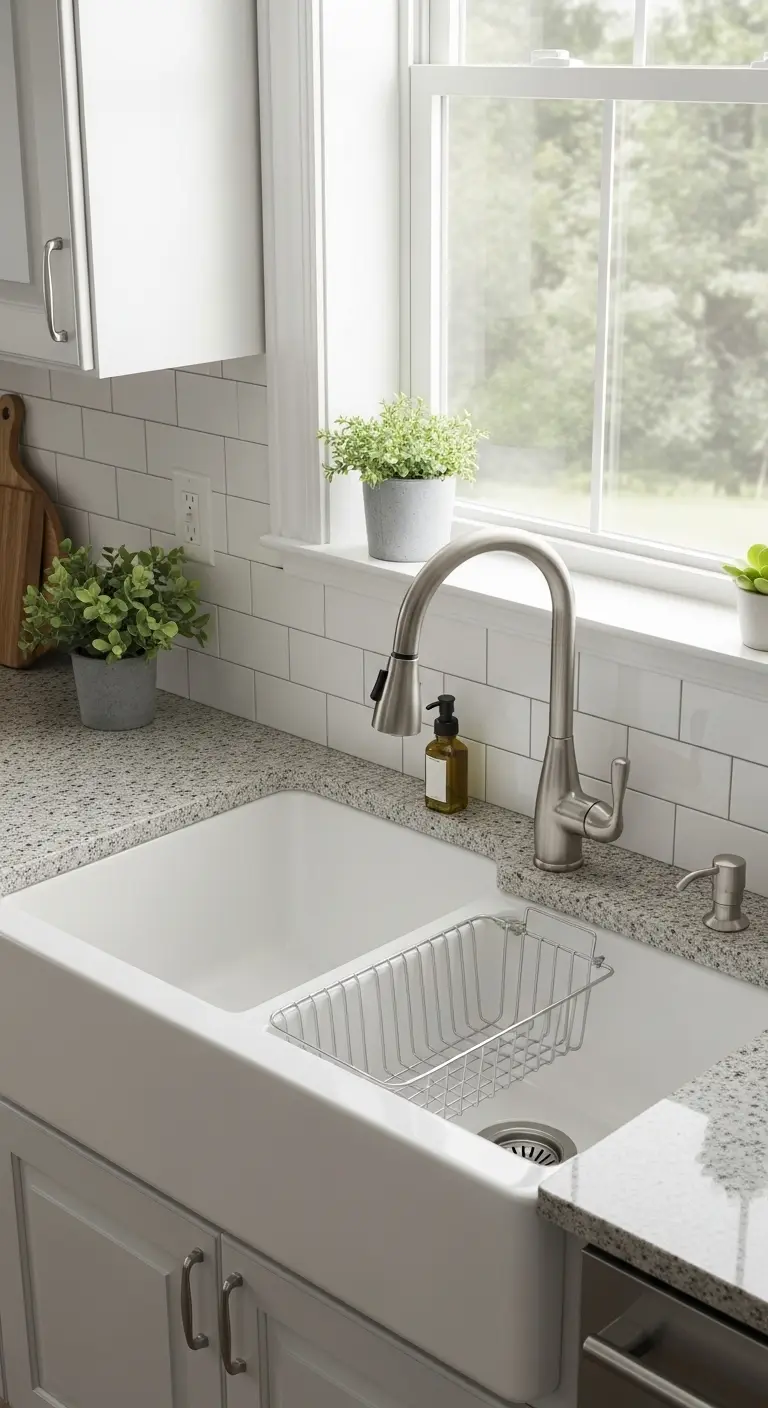
Before selecting any kitchen sink design, homeowners should evaluate space availability, usage patterns, and plumbing compatibility carefully.
Small kitchens benefit from compact single-bowl sinks, while larger kitchens can accommodate double-basin or multi-functional setups efficiently.
Material selection affects durability, maintenance, and appearance, with stainless steel, fireclay, and granite offering different strengths.
Installation type also matters because undermount, top-mount, and flush-mount sinks influence cleaning ease and countertop integration.
Proper planning ensures long-term performance and avoids costly modifications during future kitchen remodeling or upgrades.
Homeowners should also consider sink depth and bowl configuration to match their cooking and cleaning requirements effectively.
Ergonomic design choices help reduce strain during washing tasks while improving overall kitchen efficiency and user comfort.
Understanding Sink Materials and Installation Types
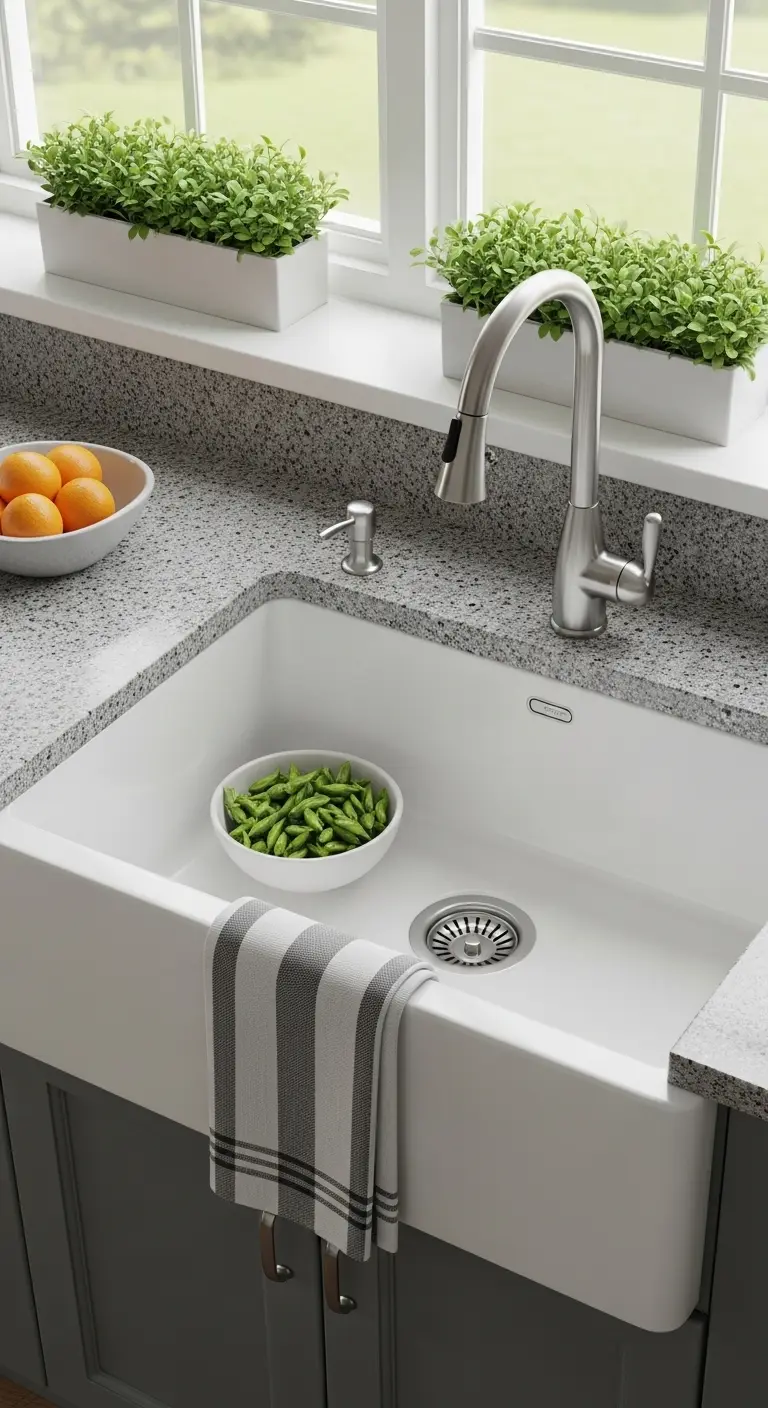
Kitchen sink design depends heavily on material choice, which influences durability, maintenance, and overall visual appeal significantly.
Stainless steel sinks remain popular due to affordability, corrosion resistance, and compatibility with most kitchen interiors.
Fireclay sinks provide a traditional aesthetic while offering strong resistance against stains, scratches, and heavy usage conditions.
Granite composite sinks combine durability and elegance, making them suitable for modern premium kitchen installations.
Undermount installation creates a seamless countertop transition, improving cleaning convenience and enhancing modern kitchen aesthetics.
Top-mount sinks offer easier installation and lower cost, making them practical for budget-friendly kitchen renovations.
Each installation type affects workflow and maintenance requirements, so homeowners must choose based on daily usage patterns.
11 Kitchen Sink Design Ideas
Modern Minimalist Kitchen Sink Design Ideas for Contemporary Homes
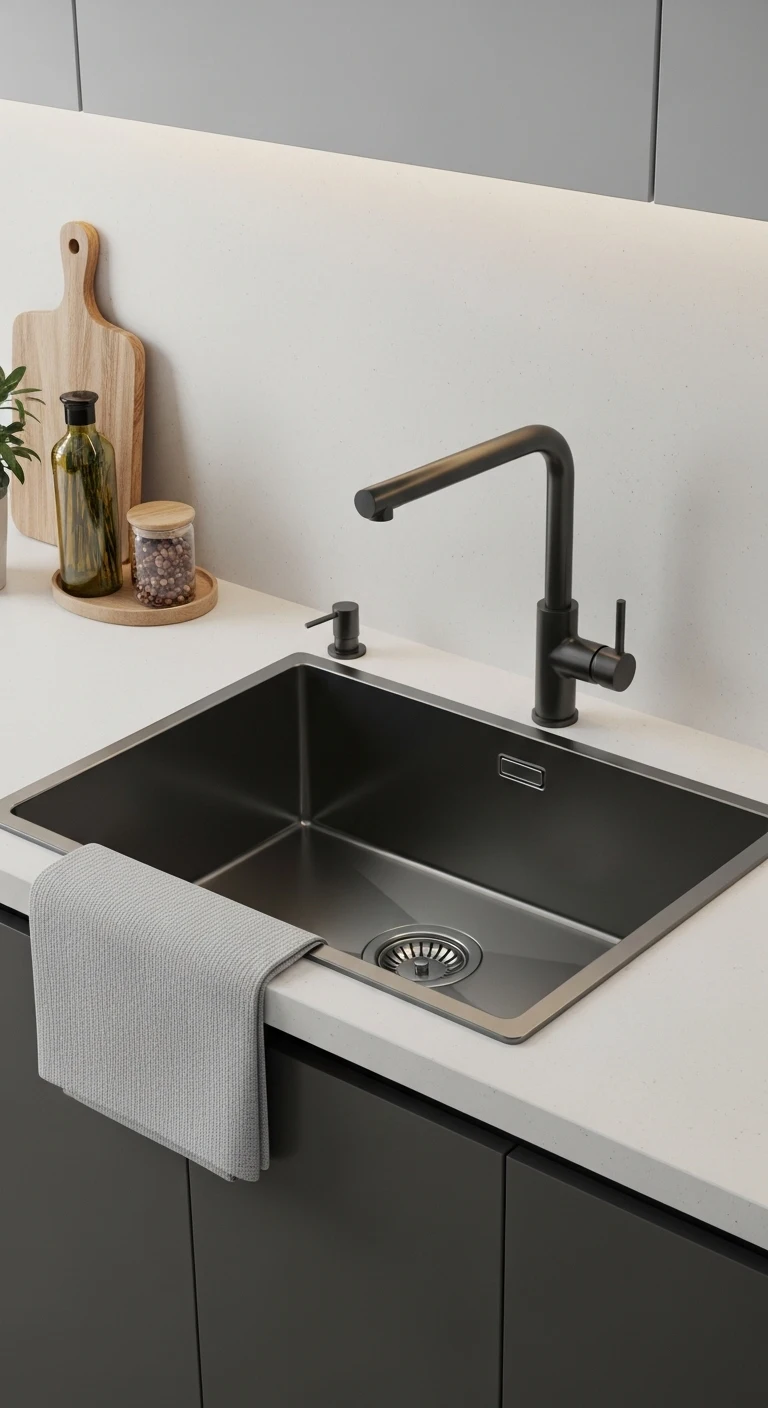
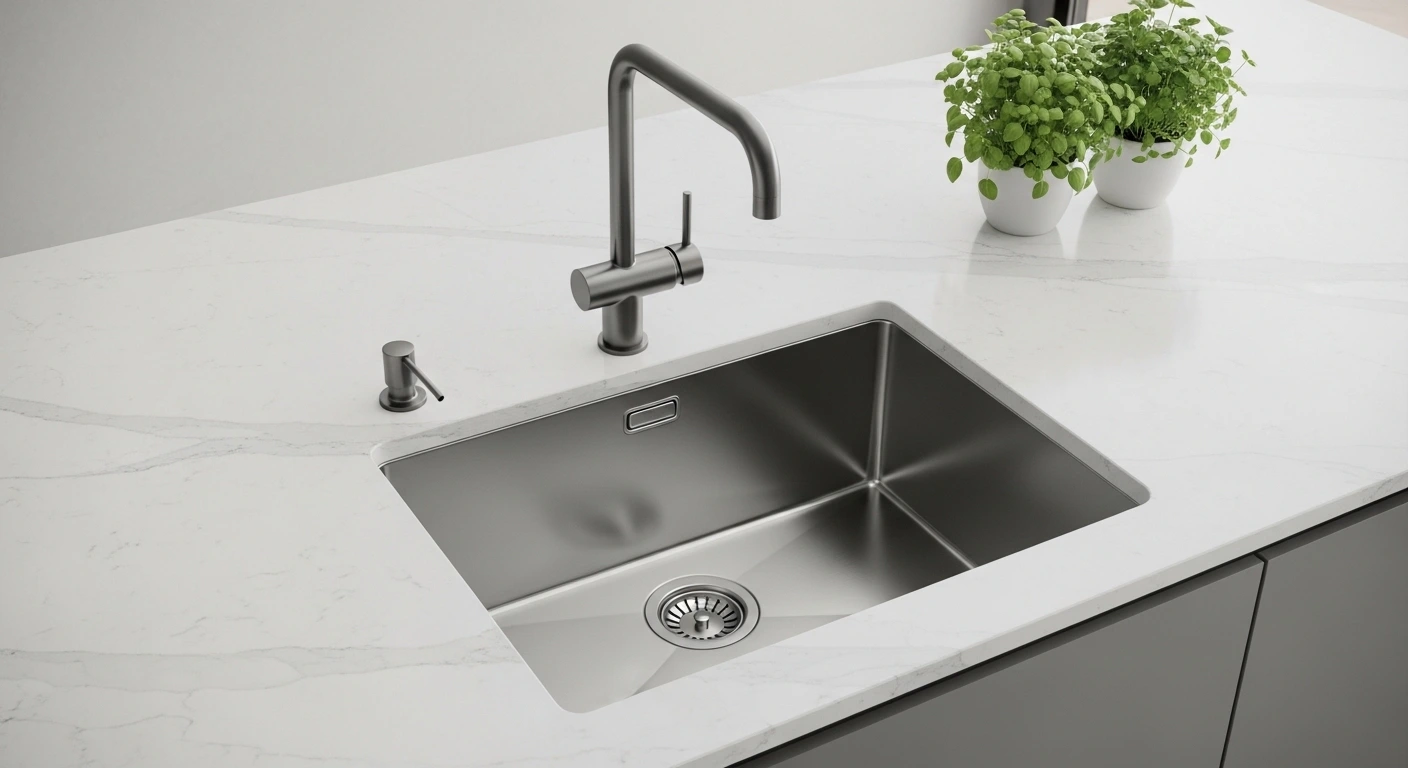
Modern minimalist kitchen sink design emphasizes clean lines, neutral colors, and seamless integration with surrounding countertops and cabinetry.
Homeowners often choose stainless steel or matte black finishes to maintain simplicity while enhancing contemporary kitchen aesthetics.
Undermount sinks support minimalist designs by eliminating visible edges and creating smooth countertop surfaces for easier cleaning.
This approach improves hygiene by reducing areas where dirt and residue typically accumulate around sink edges.
Minimalist sink setups also integrate smart accessories that enhance functionality without compromising visual simplicity in compact kitchens.
Such designs suit modern homeowners seeking efficiency, elegance, and clutter-free kitchen environments that support daily cooking routines.
Farmhouse Kitchen Sink Design Ideas with Rustic Appeal
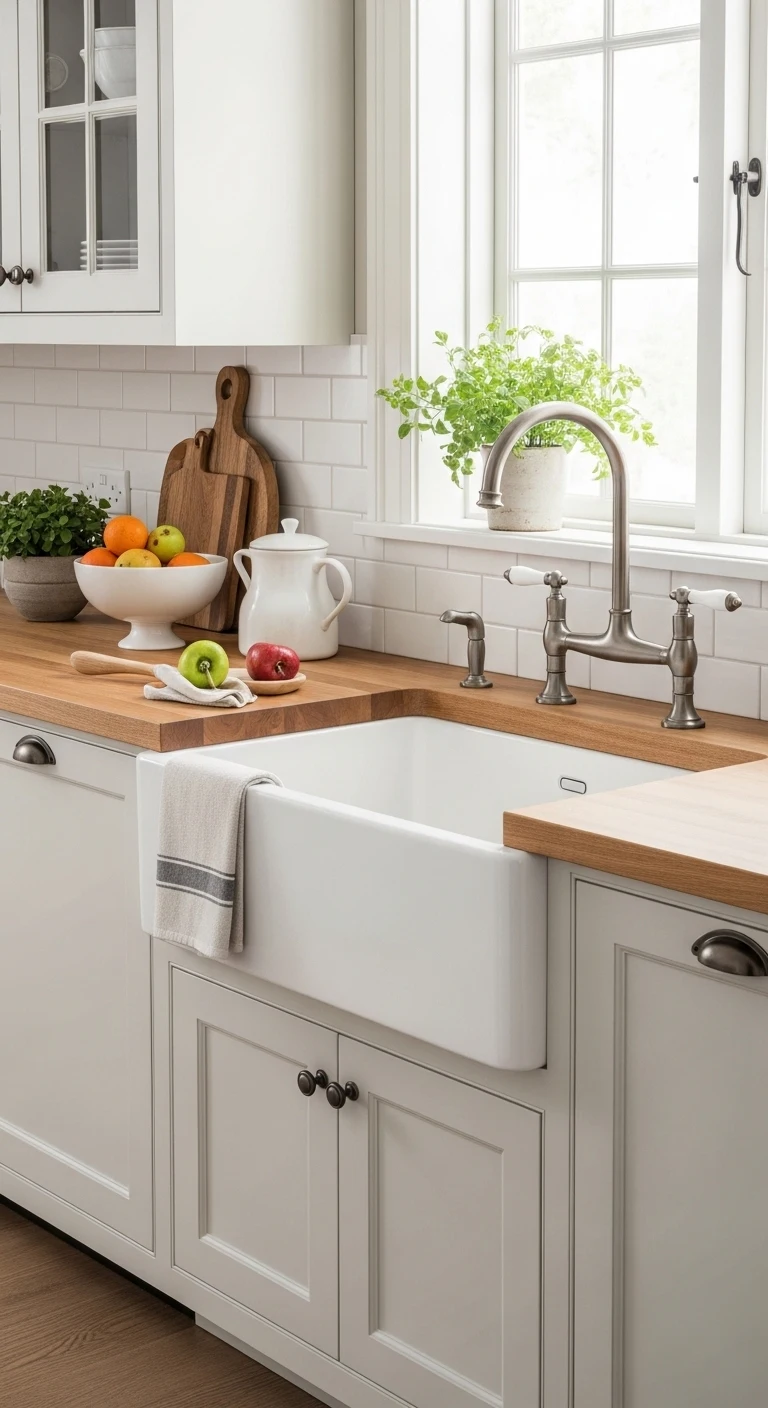
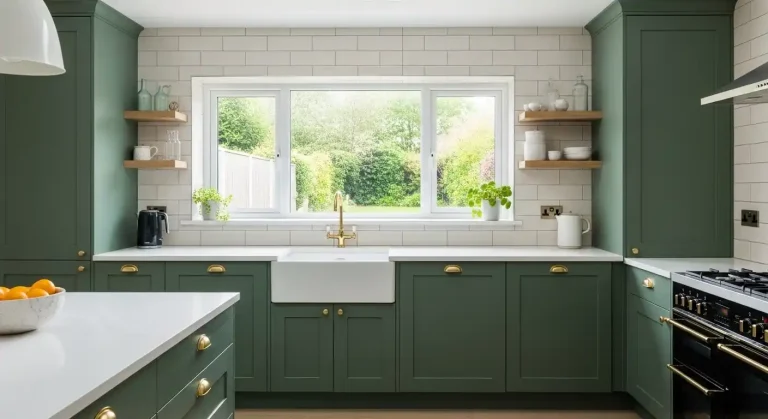
Farmhouse kitchen sink design creates a warm and inviting atmosphere that blends rustic charm with modern kitchen functionality effectively.
Homeowners choose this style because it offers deep basins that comfortably handle large pots, pans, and heavy cookware.
Fireclay material remains a popular choice because it provides durability, stain resistance, and a smooth glossy surface finish.
The apron-front structure extends outward, creating a bold visual statement that enhances traditional and transitional kitchen interiors.
Farmhouse sinks pair well with wooden countertops and vintage-style fixtures that strengthen their classic design identity.
This combination improves both aesthetics and usability, especially in kitchens where frequent cooking requires spacious washing areas.
Many homeowners prefer this design because it balances practicality with timeless visual appeal in everyday kitchen environments.
Stainless Steel Kitchen Sink Design Ideas for Everyday Efficiency
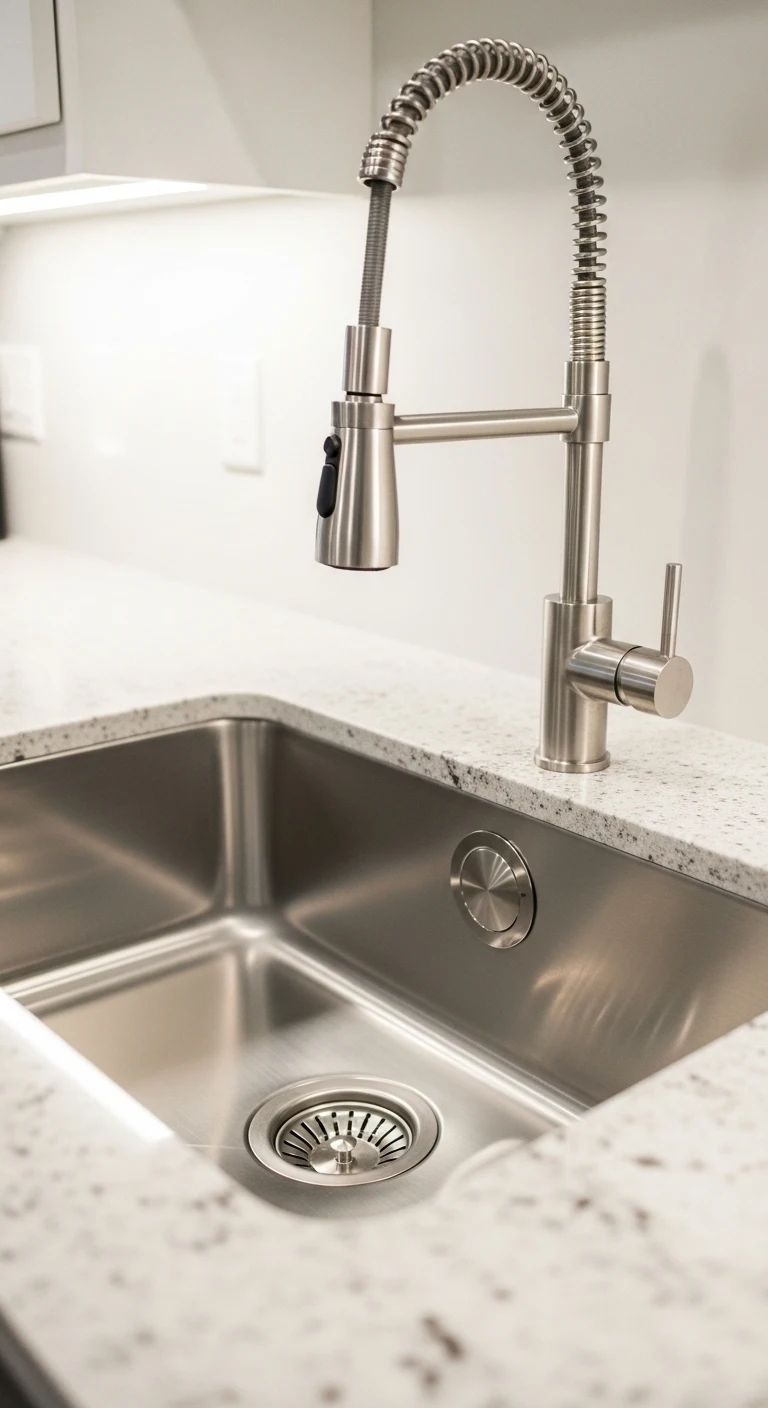
Stainless steel kitchen sink design remains one of the most practical choices for modern and traditional households today.
Its durability, heat resistance, and corrosion protection make it suitable for high-usage kitchens with frequent cooking activity.
Single and double-basin options allow flexible workflow management for washing, rinsing, and food preparation tasks efficiently.
Brushed stainless finishes help hide scratches and maintain a clean appearance even after long-term kitchen use.
This sink type integrates easily with various countertop materials, including granite, quartz, and laminate surfaces without issues.
Homeowners appreciate its affordability and low maintenance requirements, making it a reliable long-term kitchen investment choice.
Stainless steel sinks also support hygienic cooking environments due to their non-porous and easy-to-clean surface structure.
Undermount Kitchen Sink Design Ideas for Seamless Countertops
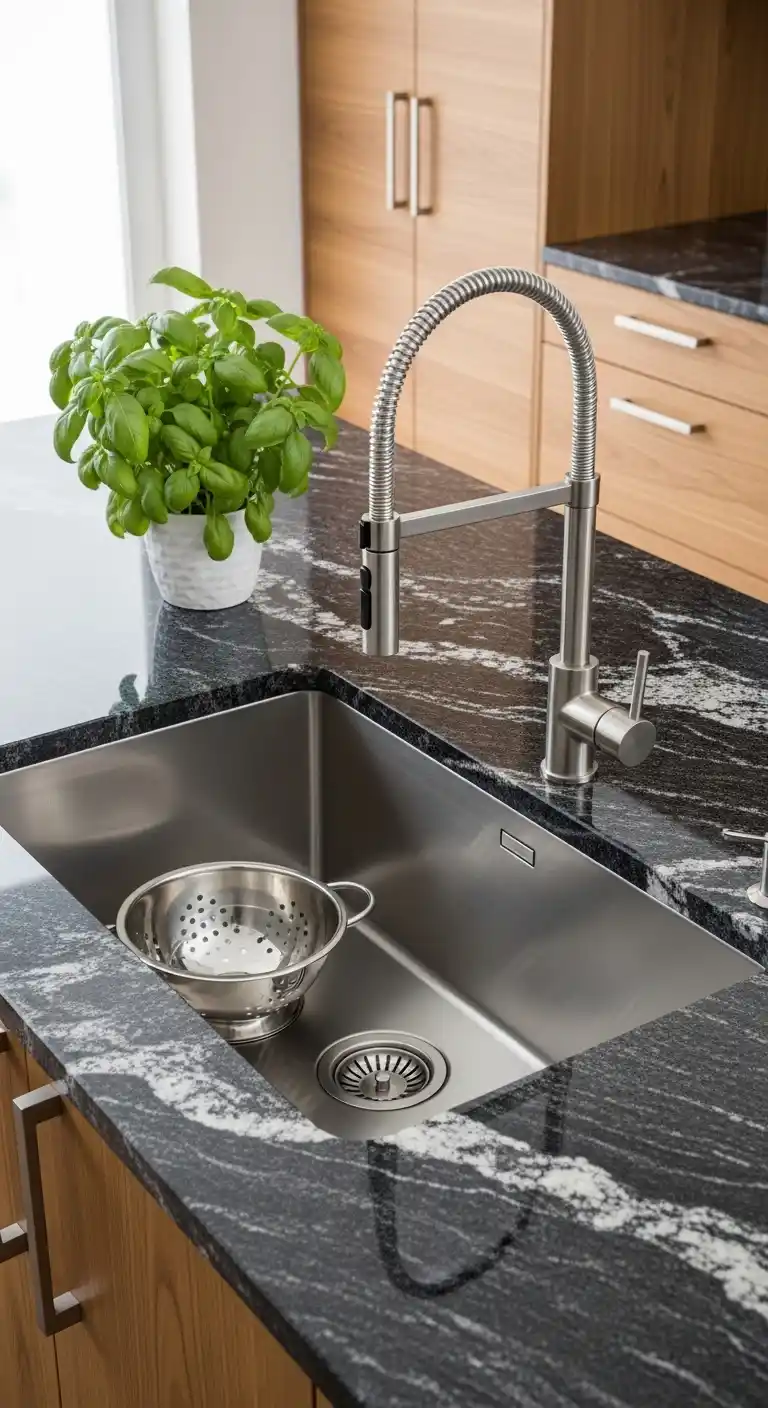
Undermount kitchen sink design creates a smooth and continuous transition between countertop and sink for modern kitchen aesthetics.
This installation style eliminates raised edges, allowing users to wipe food scraps directly into the sink basin easily.
Granite and quartz countertops pair exceptionally well with undermount sinks because they provide strength and moisture resistance.
This design improves kitchen hygiene by reducing dirt buildup around edges and hard-to-reach cleaning areas.
Undermount sinks also enhance workspace efficiency by maximizing usable countertop surface for food preparation and cooking tasks.
Their minimalist appearance fits well in modern kitchen designs that prioritize simplicity, cleanliness, and visual harmony.
Homeowners often choose this style when they want both elegance and practical cleaning convenience in daily kitchen use.
Double Bowl Kitchen Sink Design Ideas for Functional Cooking Spaces
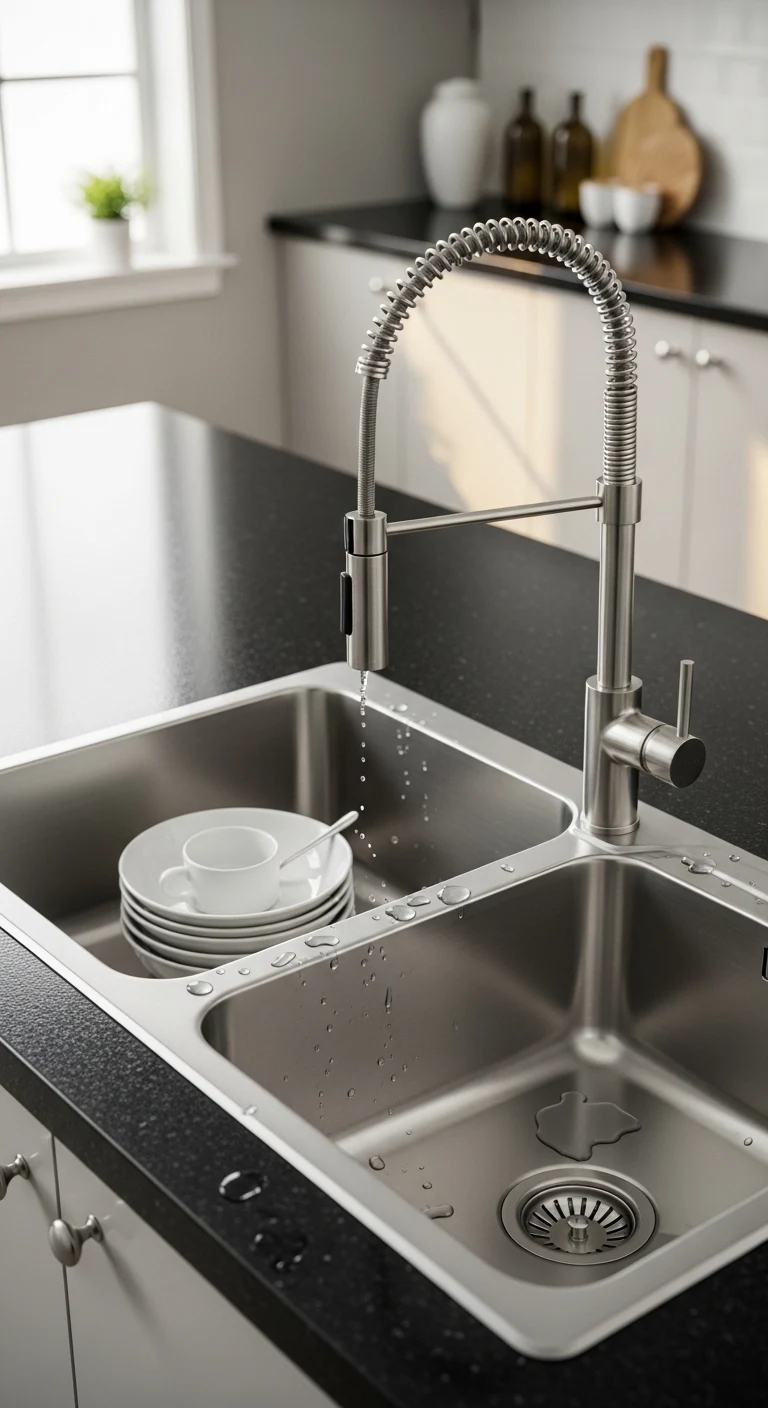
Double bowl kitchen sink design improves kitchen efficiency by separating washing and rinsing tasks within a single installation unit.
This setup supports multitasking, making it ideal for busy households with frequent cooking and dishwashing requirements.
One bowl can handle soaking and scrubbing while the other remains free for rinsing or food preparation activities.
Stainless steel remains a preferred material due to its strength, hygiene benefits, and resistance to daily wear.
This design significantly improves workflow organization and reduces countertop clutter during meal preparation and cleaning routines.
Families benefit from its structured layout, which allows multiple users to work efficiently in the kitchen simultaneously.
Double bowl sinks provide a practical balance between functionality, convenience, and modern kitchen design expectations.
Compact Kitchen Sink Design Ideas for Small Kitchens
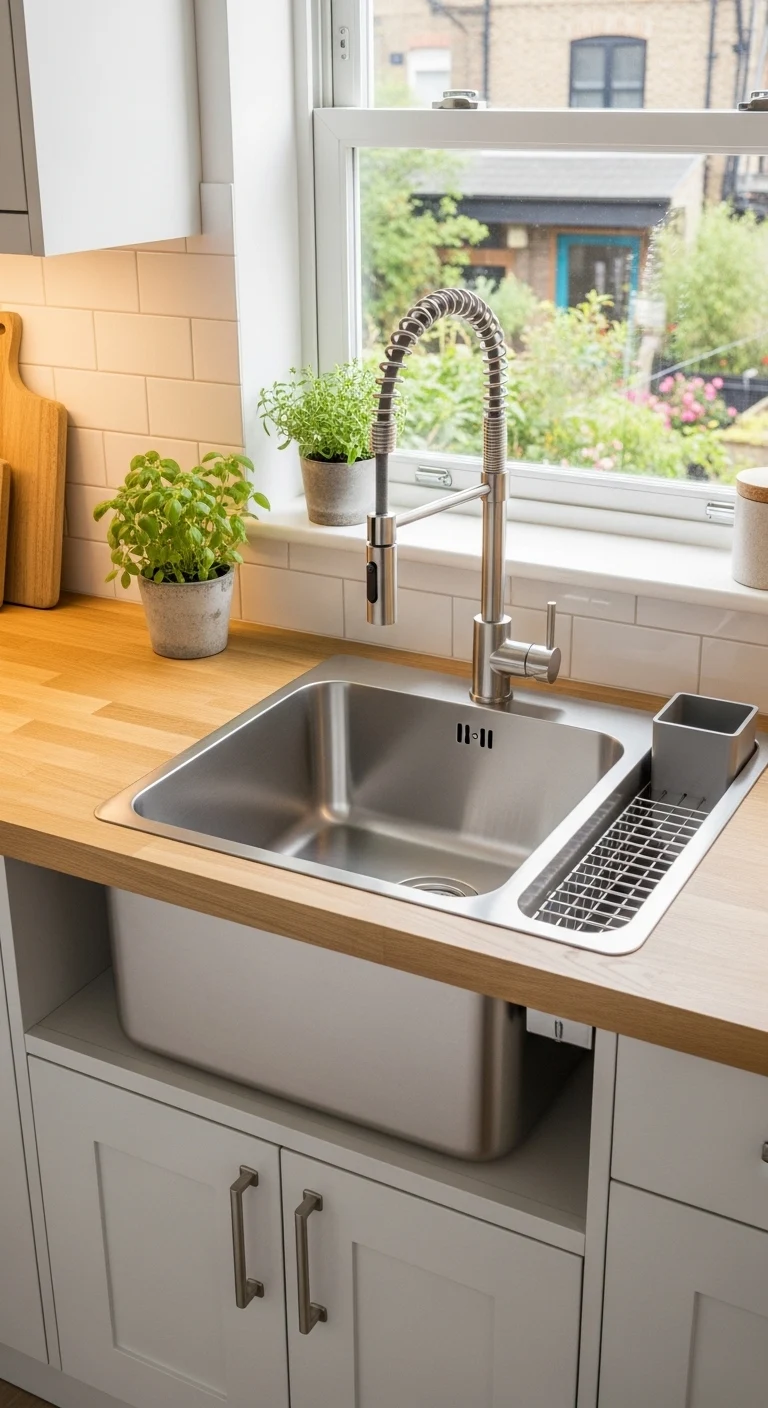
Compact kitchen sink design focuses on maximizing efficiency within limited kitchen spaces such as apartments and studio homes.
These sinks prioritize functionality while maintaining a clean and uncluttered countertop layout for better space utilization.
Single bowl configurations are commonly used because they save space while still supporting essential washing tasks effectively.
Foldable accessories like drying racks and cutting boards help enhance functionality without occupying permanent countertop space.
Despite their smaller size, compact sinks can still feature modern materials and stylish finishes for visual appeal.
Homeowners in urban environments often choose these designs to optimize limited kitchen areas without sacrificing usability.
Compact sinks offer practical solutions for modern living where efficient space management is a top priority.
Corner Kitchen Sink Design Ideas for Space Optimization
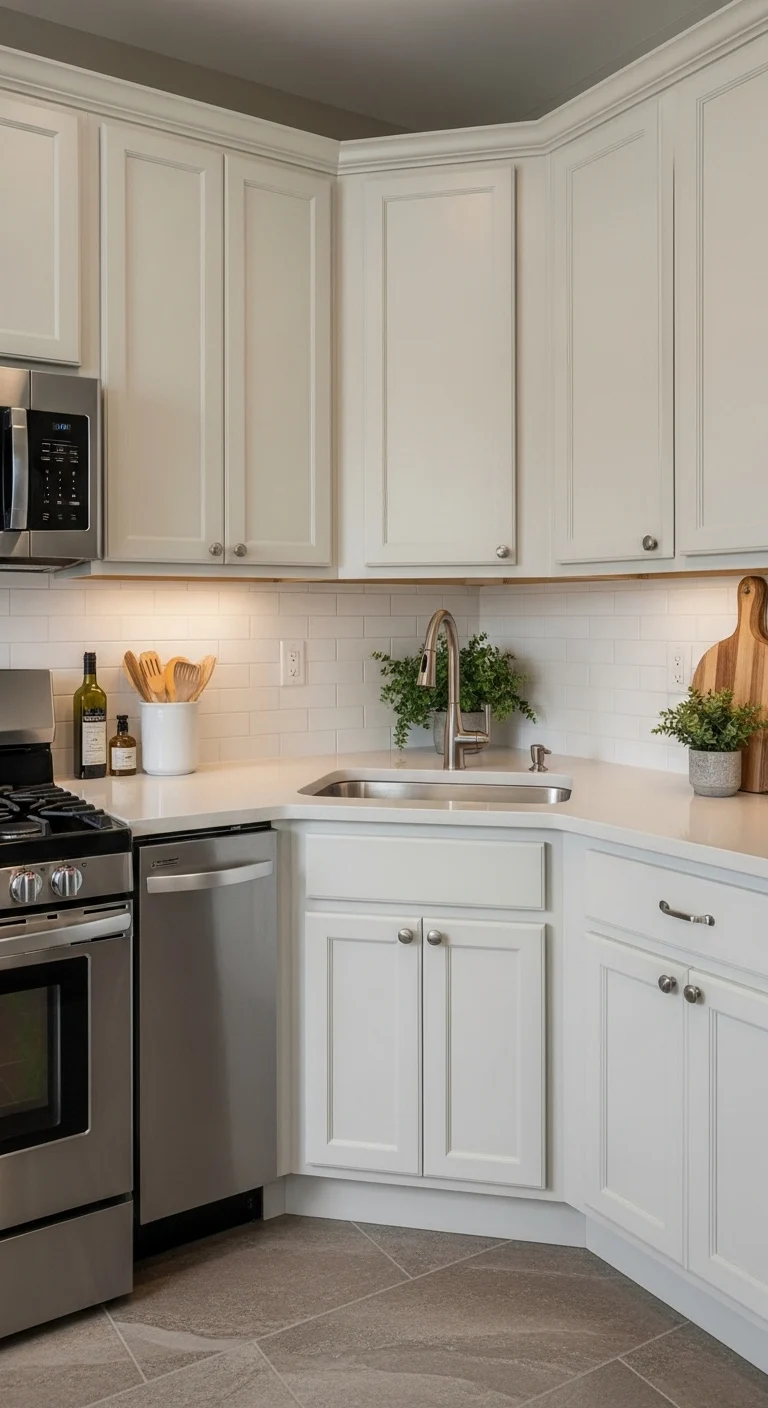
Corner kitchen sink design transforms underused corner spaces into highly functional washing and preparation areas within kitchens.
This layout is especially useful in L-shaped and U-shaped kitchen designs where corners often remain unused.
Placing the sink in the corner helps free up central countertop space for cooking and preparation activities.
Custom cabinetry is often required to ensure proper plumbing alignment and ergonomic usability for daily kitchen tasks.
This design improves workflow efficiency by creating a natural movement pattern between sink, stove, and refrigerator areas.
It also enhances kitchen organization by distributing functional zones more effectively across available space.
Corner sinks provide a smart solution for homeowners seeking maximum utility from compact or irregular kitchen layouts.
Black Matte Kitchen Sink Design Ideas for Bold Interiors
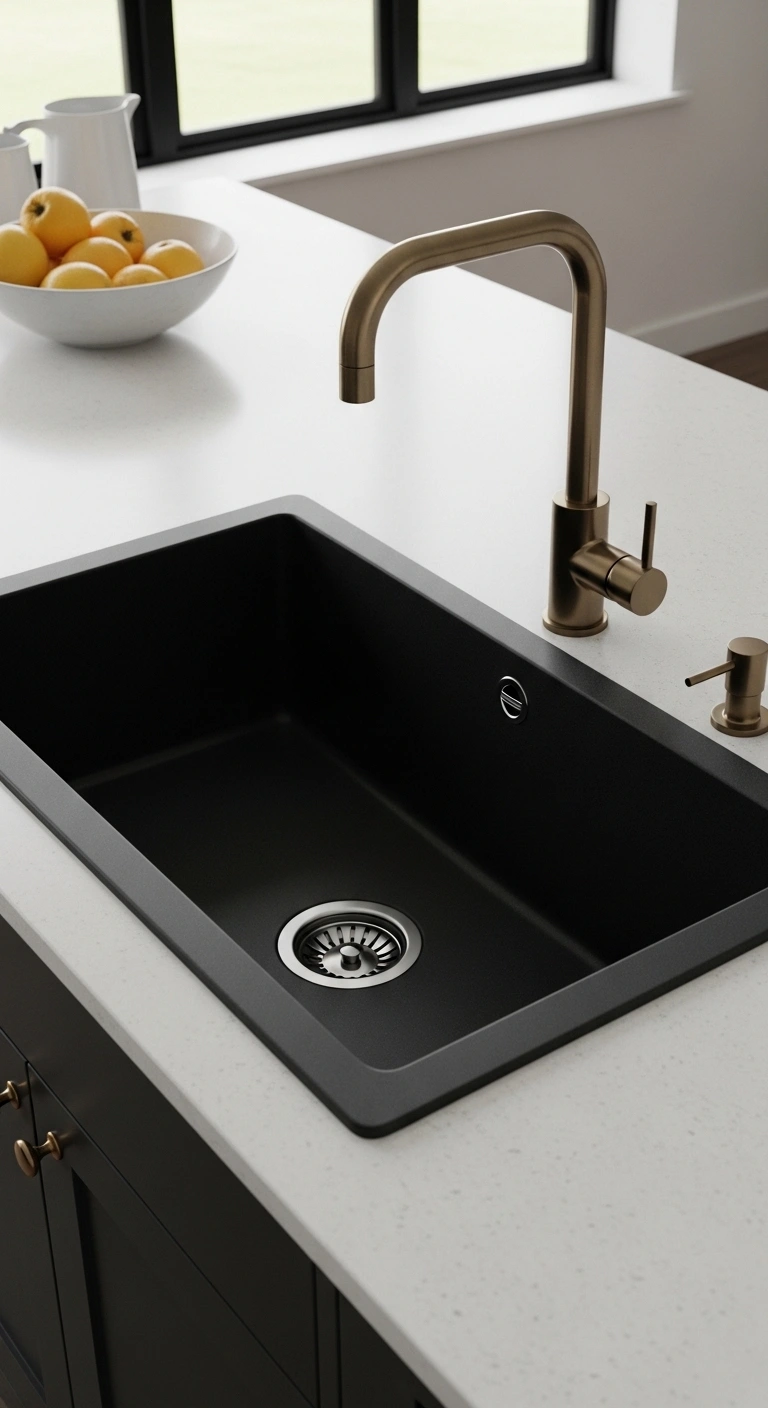
Black matte kitchen sink design introduces a bold and modern aesthetic that enhances contrast within contemporary kitchen spaces.
This style works particularly well with light-colored countertops, creating a strong visual balance and design statement.
Matte finishes help reduce visible water spots, fingerprints, and stains, making maintenance easier in daily kitchen use.
Composite granite materials are commonly used to achieve durability while maintaining a premium and elegant appearance.
Black sinks pair well with metallic fixtures such as brushed gold or stainless steel for stylish contrast effects.
This design appeals to homeowners who want a modern, sophisticated, and visually striking kitchen environment.
It combines practicality with bold aesthetics, making it a popular choice in modern kitchen renovations.
Integrated Kitchen Sink Design Ideas with Countertop Flow
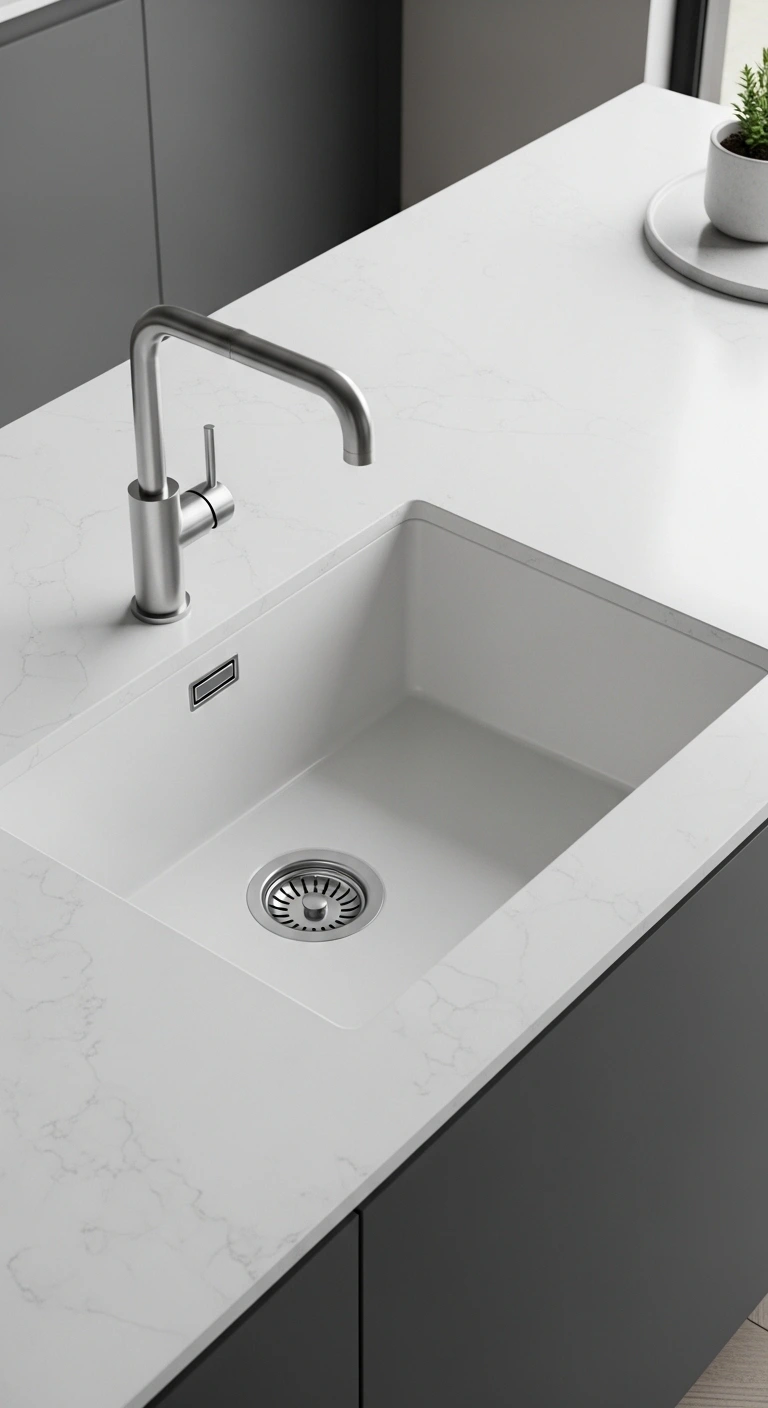
Integrated kitchen sink design creates a seamless surface where the sink and countertop blend into a single continuous structure.
This design is commonly used with quartz, solid surface materials, or engineered stone for a clean and modern appearance.
The absence of joints reduces dirt accumulation, making cleaning easier and improving overall kitchen hygiene significantly.
This smooth structure also enhances visual flow, creating a minimal and highly organized kitchen workspace environment.
Integrated sinks improve durability because fewer seams reduce the risk of leaks or long-term moisture damage.
Homeowners prefer this design when they want both luxury aesthetics and practical functionality in daily kitchen use.
It works especially well in premium kitchens where design consistency and cleanliness remain top priorities.
Multi-Functional Kitchen Sink Design Ideas with Smart Features
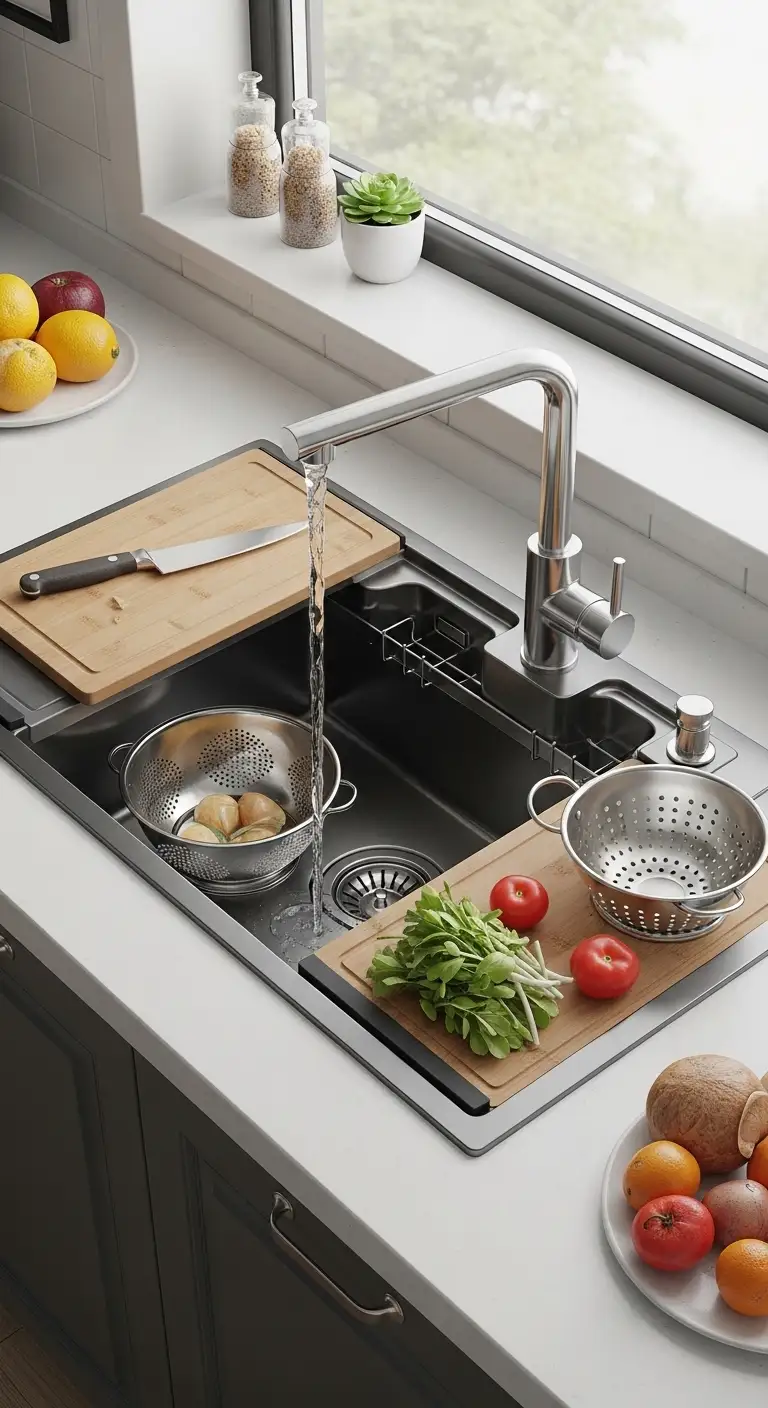
Multi-functional kitchen sink design introduces advanced features that improve cooking efficiency and simplify everyday kitchen tasks.
Modern sinks now include accessories like cutting boards, colanders, and drying racks that enhance workspace organization.
Some designs also integrate touchless faucets that improve hygiene by reducing direct contact during washing activities.
Built-in drainage systems help control water flow and prevent unnecessary spills across surrounding countertop areas.
These smart features transform the sink into a complete preparation station rather than just a washing area.
Homeowners benefit from improved workflow efficiency, especially in kitchens where multitasking is required during meal preparation.
This design is ideal for modern lifestyles that prioritize convenience, innovation, and space-saving functionality in kitchens.
Smart Maintenance Tips for Kitchen Sink Design Longevity
Proper maintenance plays a critical role in preserving the appearance and performance of any kitchen sink design.
Daily cleaning prevents buildup of stains, grease, and mineral deposits that can damage sink surfaces over time.
Non-abrasive cleaners should be used regularly to protect finishes such as stainless steel, granite, or fireclay materials.
Drying the sink after use helps prevent water spots and maintains a clean and polished appearance consistently.
Plumbing inspections should be performed periodically to identify leaks or blockages before they become serious problems.
Proper care ensures smooth water drainage and reduces the risk of long-term structural damage in kitchen installations.
Consistent maintenance significantly extends sink lifespan while improving hygiene and overall kitchen functionality.
Space Optimization and Functional Kitchen Layout Planning
Effective kitchen sink design depends heavily on proper layout planning and efficient use of available kitchen space.
Positioning the sink near cooking and refrigeration zones improves workflow and reduces unnecessary movement during meal preparation.
Adequate countertop space around the sink enhances usability and provides room for washing, drying, and preparation tasks.
Proper lighting above the sink area improves visibility and ensures safety during cleaning and cooking activities.
Storage cabinets beneath the sink should be organized to accommodate cleaning supplies without interfering with plumbing systems.
This arrangement helps maintain a clutter-free environment while improving overall kitchen efficiency and organization.
Well-planned layouts ensure that the sink becomes a central and highly functional part of kitchen design.
Final Wrap-Up
Kitchen sink design plays an essential role in balancing functionality, aesthetics, and long-term kitchen usability in modern homes.
Each design option offers unique advantages that suit different cooking styles, space requirements, and interior preferences effectively.
From minimalist undermount sinks to bold black matte finishes, every style enhances kitchen identity in distinct ways.
Material selection, installation type, and layout planning all contribute to overall performance and user satisfaction in daily use.
Homeowners who carefully evaluate their needs achieve better efficiency, hygiene, and visual harmony in kitchen environments.
A well-designed sink ultimately transforms the kitchen into a more practical, organized, and enjoyable workspace for everyday living.