11 Kitchen Cabinet Design Ideas for a Stylish Upgrade
Thinking about updating your kitchen? The right kitchen cabinet design can completely change how your space looks and feels. From sleek finishes to clever storage solutions, these inspiring ideas can help you create a kitchen you truly enjoy spending time in.
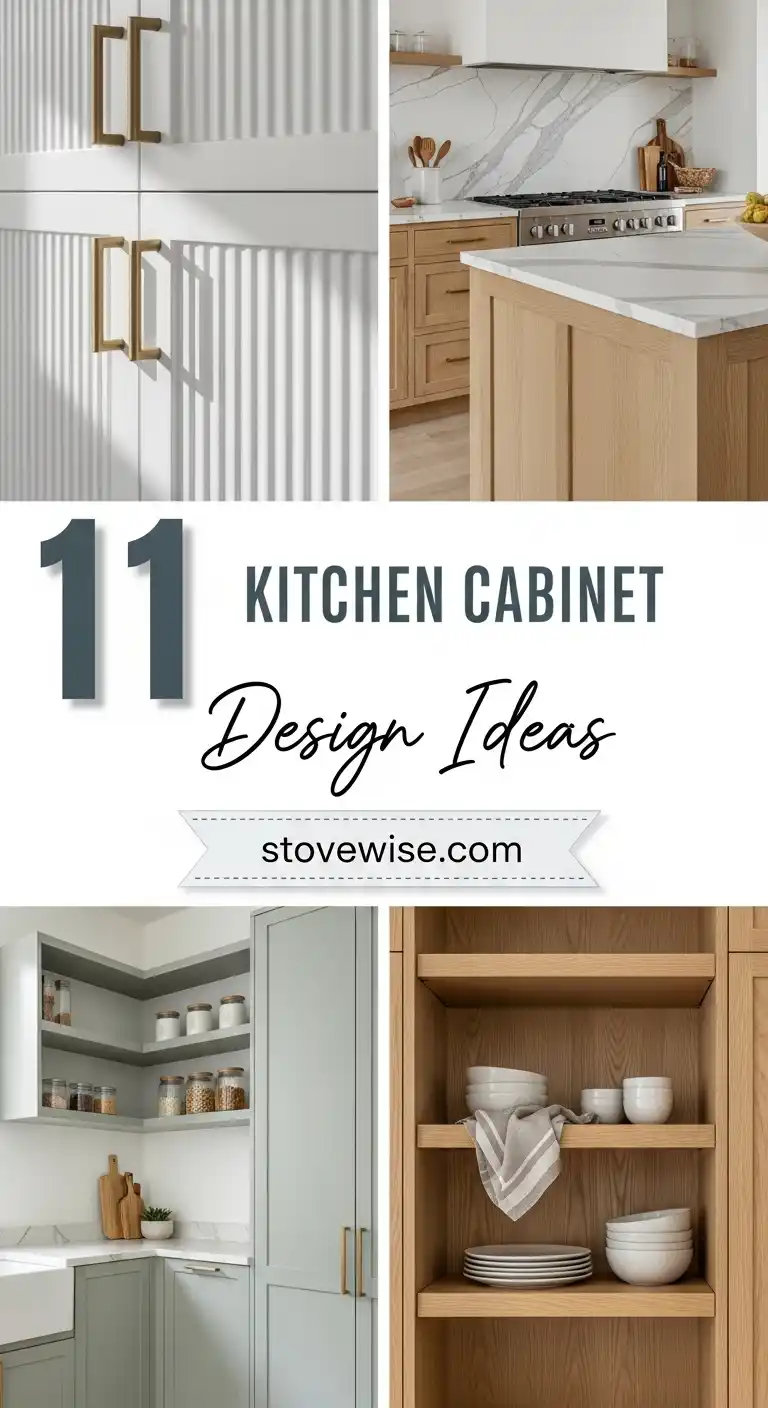
When I first updated my kitchen, I thought the countertops would make the biggest impact. But once the work began, I realized the true centerpiece was the kitchen cabinets design. My old cabinets were dark, worn, and made the entire space feel smaller.
After switching to lighter colors, cleaner lines, and updated hardware, the kitchen instantly felt brighter and more inviting. That experience showed me that cabinets do more than provide storage—they define the entire feel of the kitchen.
If your kitchen feels outdated, the right cabinet design can completely transform the space.
How Kitchen Cabinets Design Shapes Everyday Functionality
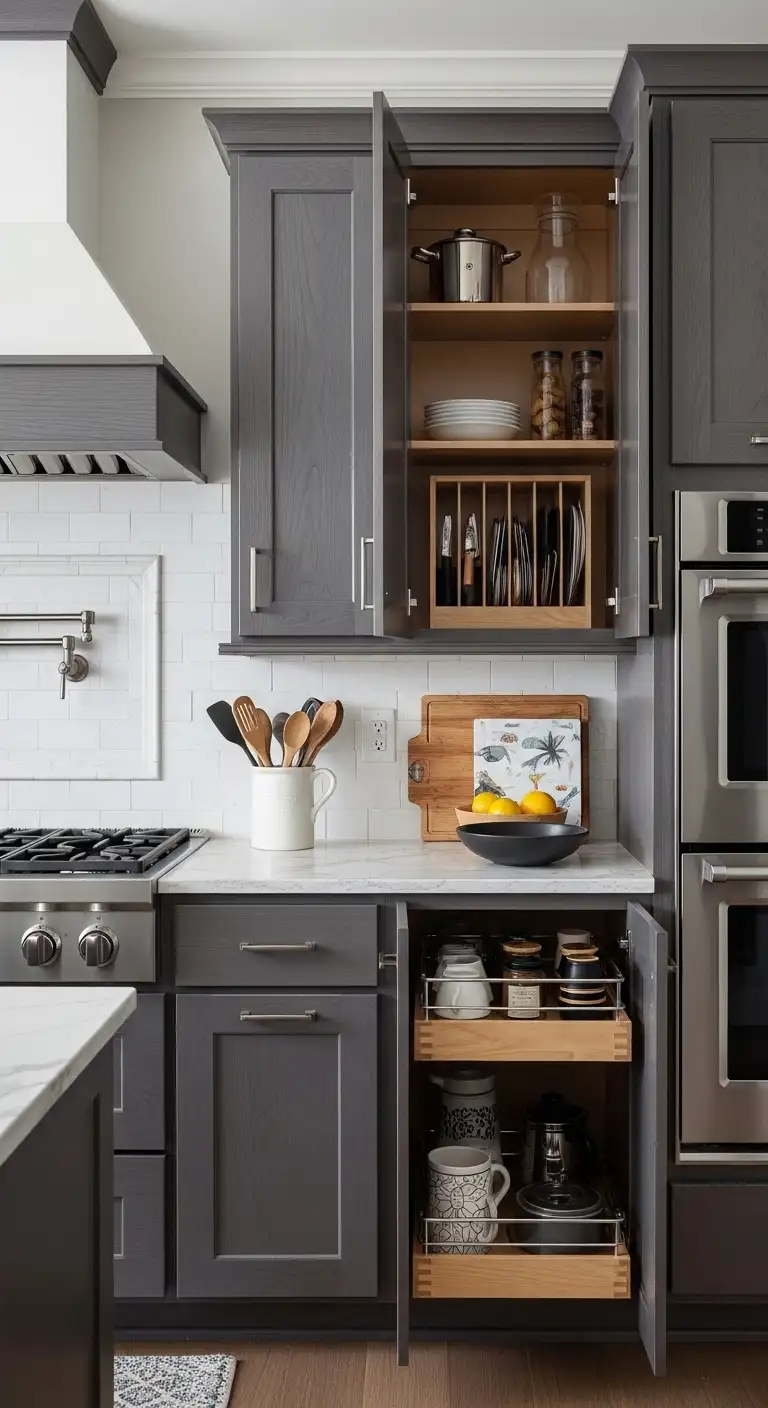
Beautiful cabinets should never sacrifice comfort because a kitchen needs to support your daily habits. Cabinet depth affects how easily you can store larger cookware without wasting valuable interior space.
Poorly planned cabinets often create frustration because essential items become difficult to reach quickly. Drawers with smart organizers can make everyday utensils easier to find during busy cooking hours.
Upper cabinets should remain accessible without forcing uncomfortable stretching or awkward movement. Lower cabinets can benefit from pull-out trays that reduce bending when reaching stored items.
Families who cook often usually need stronger cabinet materials that handle frequent use. Cabinet placement also influences how smoothly people move between the stove, sink, and refrigerator.
A well-planned kitchen cabinets design improves efficiency while reducing visual clutter in busy spaces. When storage feels effortless, the entire kitchen becomes more enjoyable to use every single day.
Choosing Materials That Improve Kitchen Cabinets Design Longevity
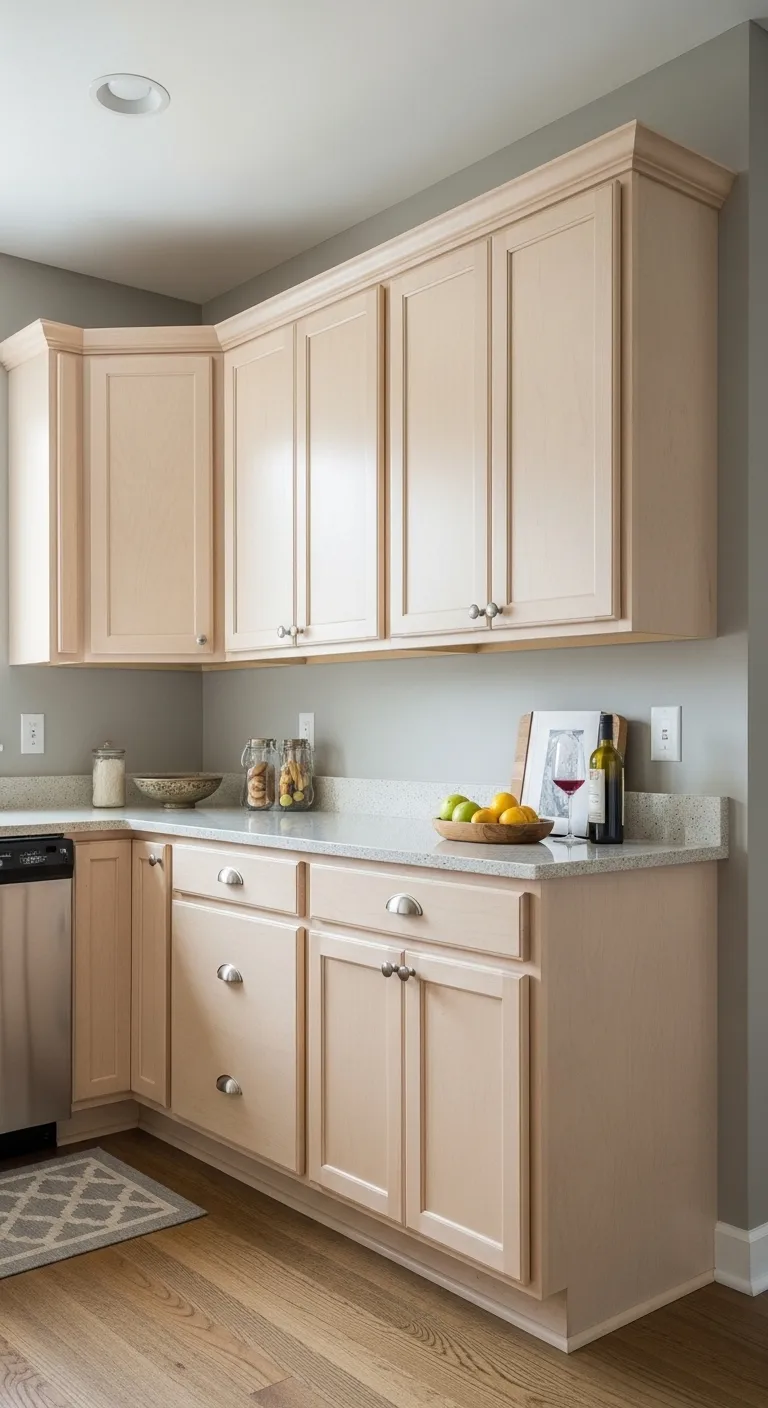
Cabinet materials affect durability just as much as the visual appearance of the finished kitchen.
Solid wood remains popular because it provides warmth and lasting strength for many years. Plywood offers excellent durability while resisting moisture better than some lower-cost alternatives.
Medium-density fiberboard creates smooth painted finishes that suit modern kitchen interiors beautifully. Laminate surfaces appeal to homeowners who want affordable options with easier maintenance.
Moisture resistance matters because kitchens experience steam, heat, and regular cleaning. Cheap materials may save money initially but often show wear much faster over time.
Quality finishes protect surfaces from scratches, stains, and everyday handling. Homes with children usually benefit from surfaces that clean easily without visible marks.
A durable kitchen cabinets design protects your investment while maintaining its style for years. Choosing the right material helps cabinets stay functional long after installation is complete.
11 Kitchen Cabinets Design Ideas
Two-Tone Kitchen Cabinets Design for Visual Contrast
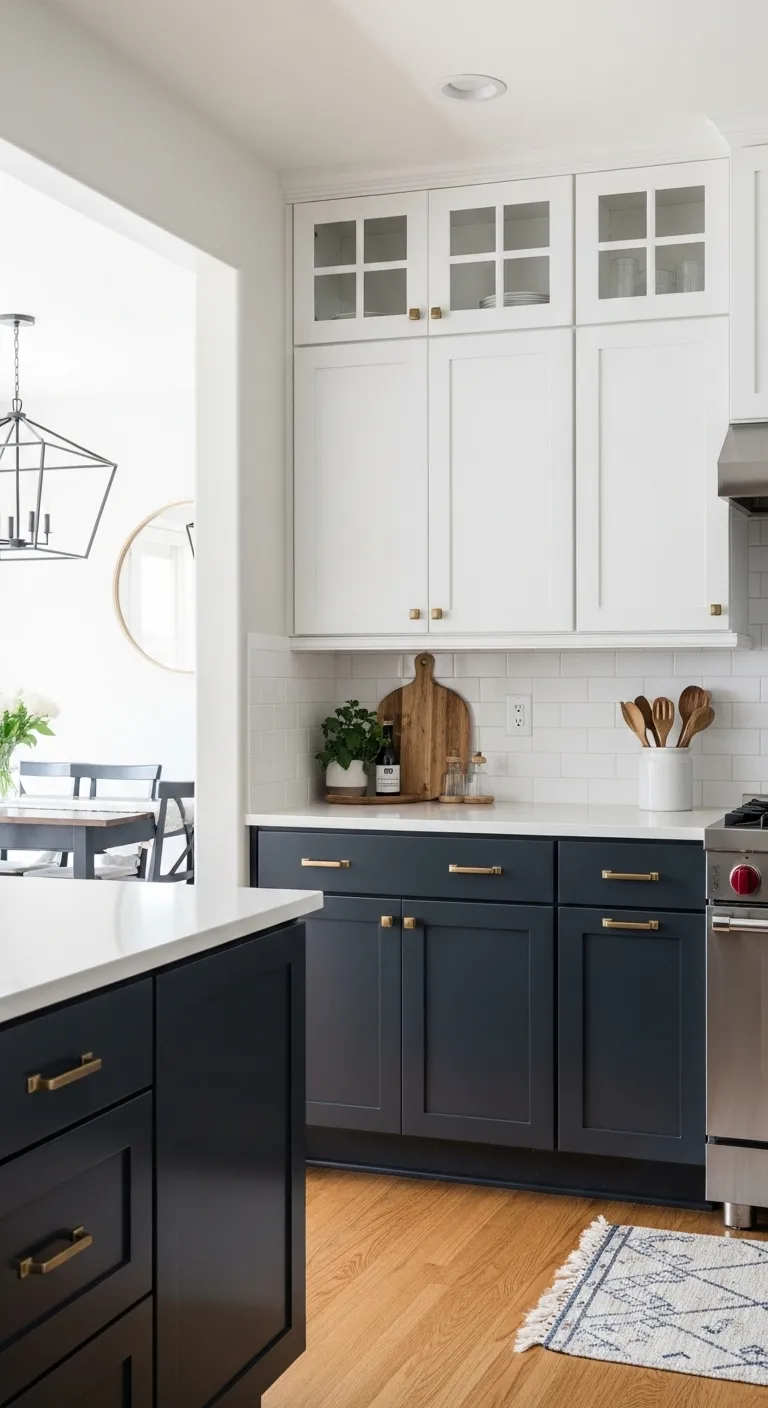
Two-tone cabinets create visual depth without overwhelming the kitchen with a single heavy color.
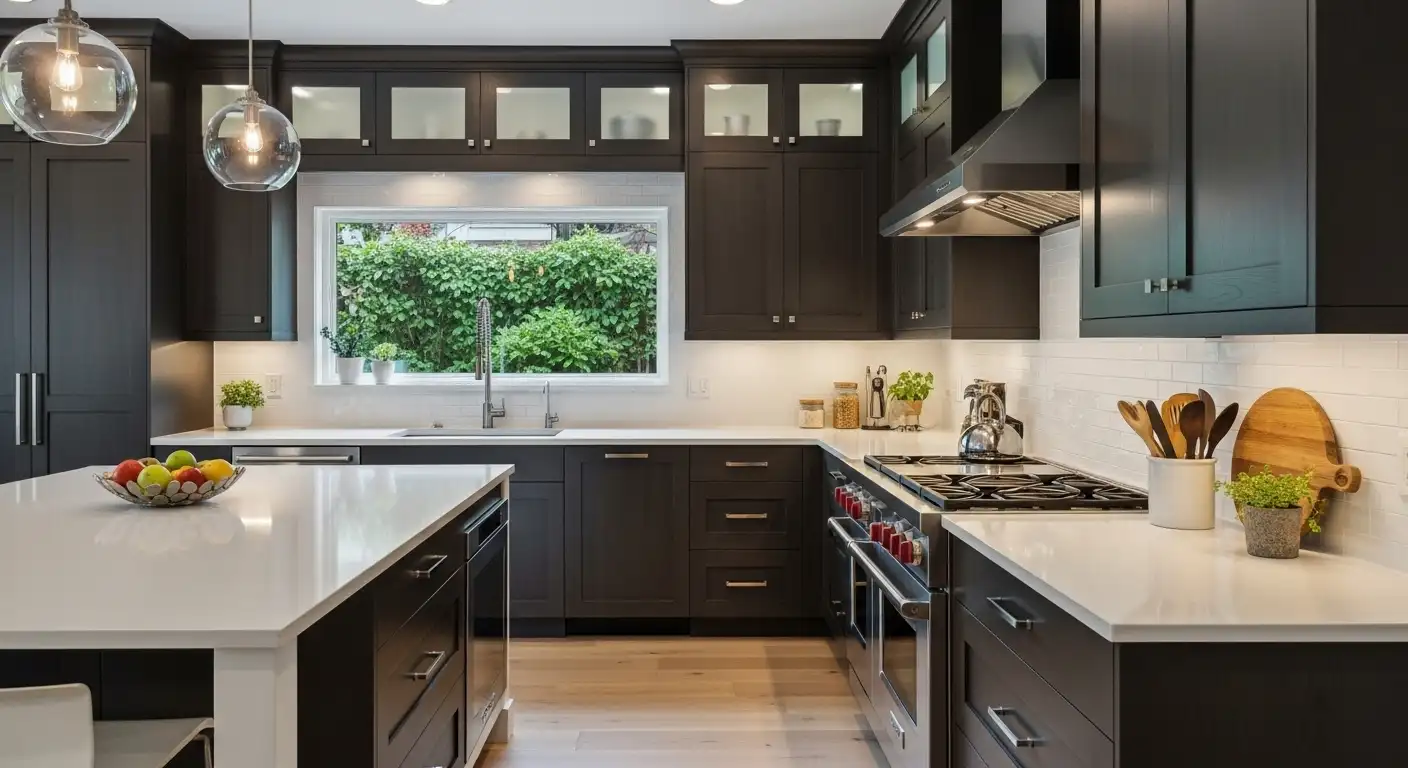
Many homeowners choose darker lower cabinets with lighter upper cabinets for balanced contrast. This approach keeps the kitchen grounded while maintaining a bright and airy appearance.
White upper cabinets can reflect more natural light across the room during daytime hours. Navy or charcoal lower cabinets often add elegance without feeling too dramatic.
This style works especially well in kitchens with open floor plans and natural lighting. It can also help separate cooking zones from dining spaces visually.
A two-tone kitchen cabinets design feels custom even when using simple cabinet shapes. Brass or matte black hardware can further enhance the contrast between cabinet colors.
This idea offers a stylish upgrade that feels modern while remaining timeless. Homeowners who want subtle sophistication often find this design especially appealing.
Glass Front Kitchen Cabinets Design for an Open Feel
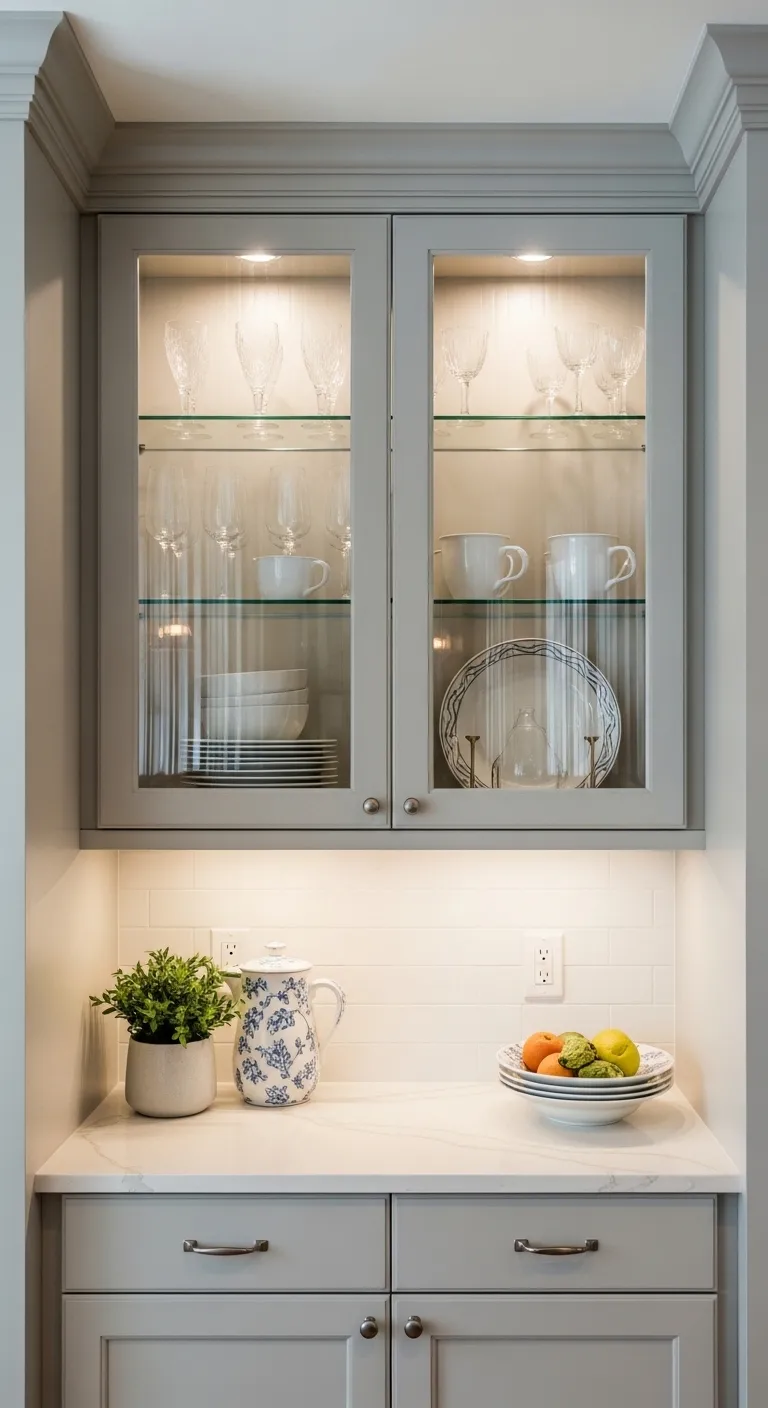
Glass-front cabinets can make a smaller kitchen feel lighter and more spacious instantly. They reduce the visual heaviness that solid cabinet doors sometimes create in enclosed kitchens.
Clear glass allows homeowners to display attractive dishes or decorative serving pieces beautifully. Frosted glass offers privacy while still adding brightness to the room.
Interior cabinet lighting can make glass cabinets even more impressive during evening hours. This feature creates a soft glow that improves the kitchen atmosphere.
A glass-based kitchen cabinets design works best when shelves remain neat and organized. Messy shelves can quickly reduce the elegance of this cabinet style.
Mixing glass cabinets with solid lower cabinets creates a practical balance. Homeowners can enjoy decorative beauty without sacrificing everyday storage.
This design suits transitional kitchens that blend traditional comfort with modern style. It adds openness while preserving functionality for daily use.
Handleless Kitchen Cabinets Design for a Minimal Look
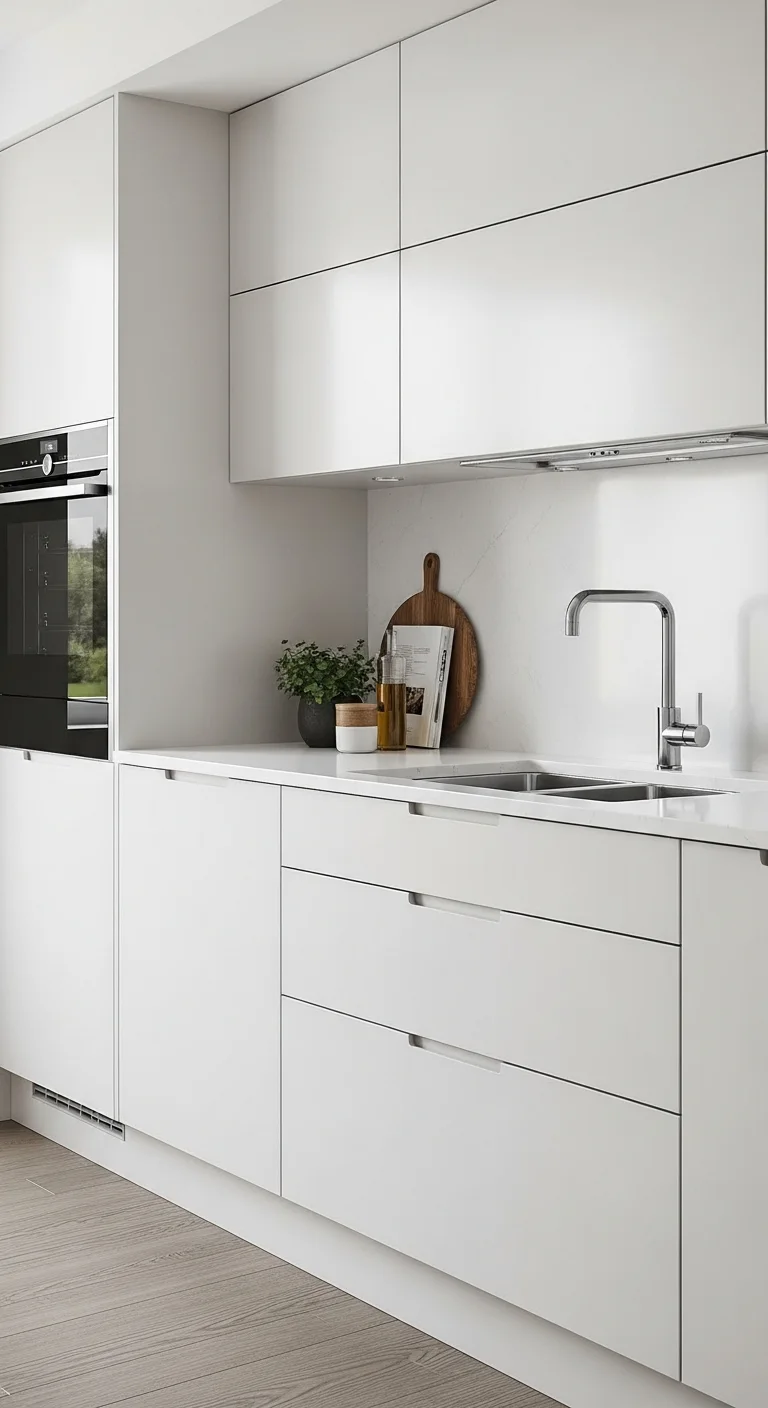
Handleless cabinets create a smooth and uninterrupted surface throughout the kitchen. This style supports clean lines that feel modern and refined.
Many designers use push-to-open systems or recessed finger pulls for convenience. Without visible hardware, the kitchen appears less cluttered and more spacious.
Small kitchens often benefit because the flat surfaces create visual simplicity. A handleless kitchen cabinets design also feels easier to coordinate with modern appliances.
Glossy finishes can make this style look sleek and luxurious. Matte finishes can soften the look while keeping the minimalist appeal.
Families often appreciate that there are fewer handles to clean regularly. This design works best in contemporary homes with simple architectural details.
It creates a polished appearance that feels intentional and sophisticated. Minimal design can still feel warm when paired with natural wood textures.
Open Shelf and Cabinet Combination Design
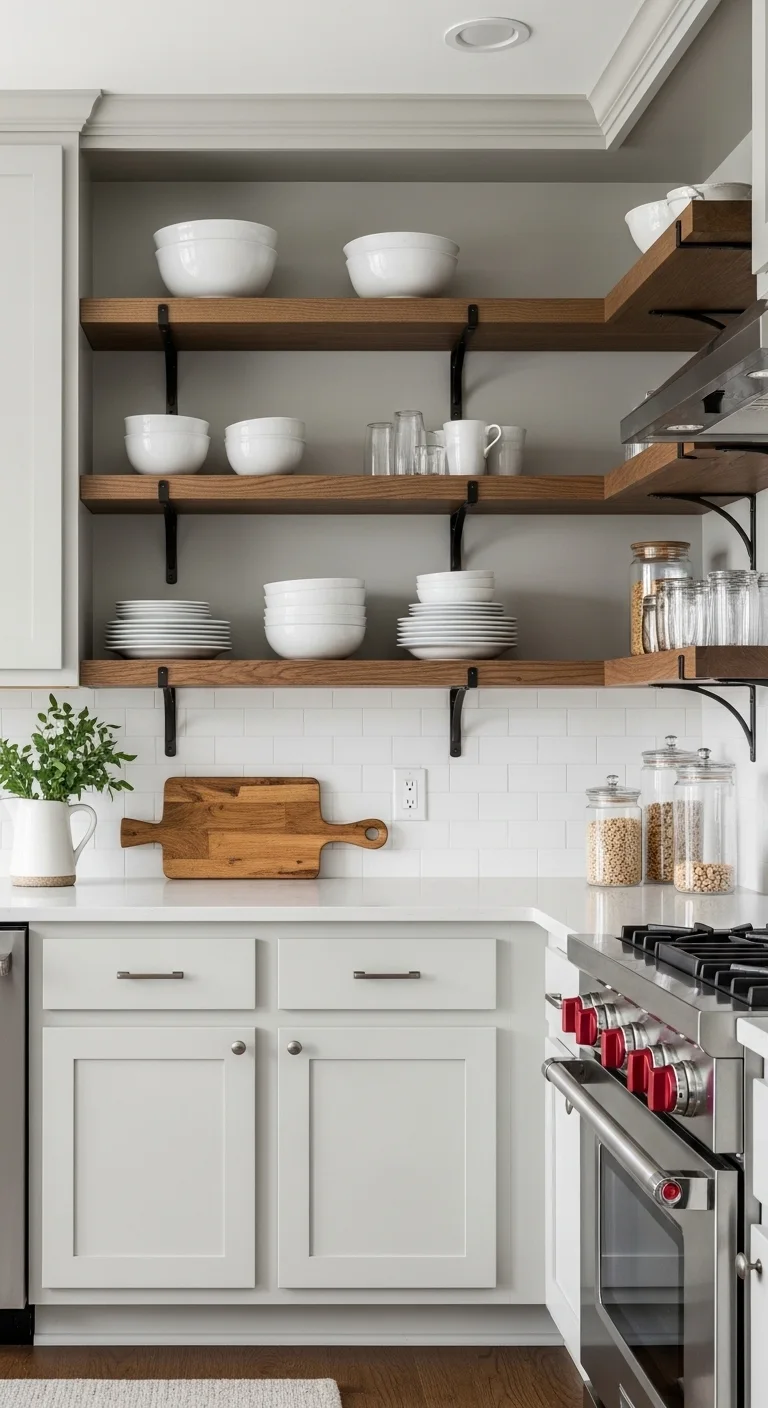
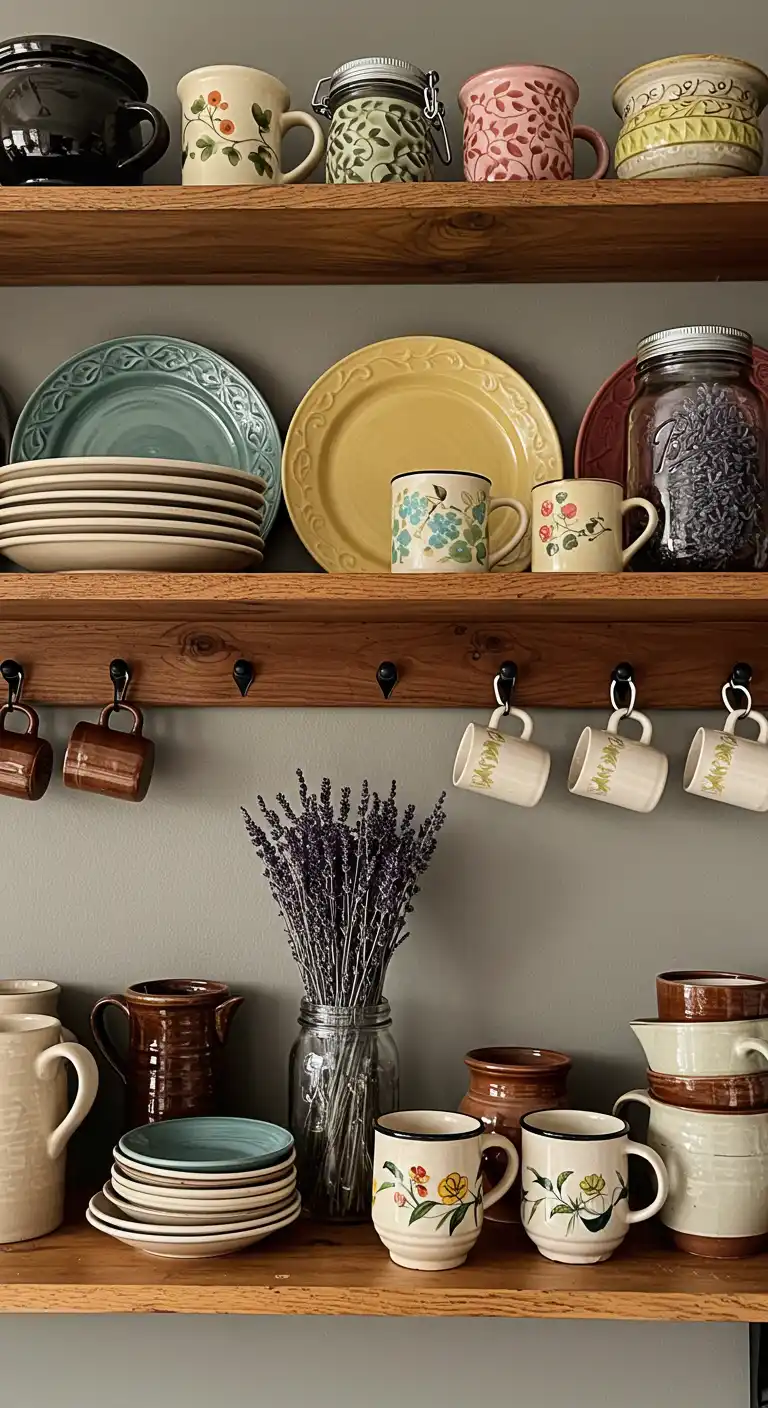
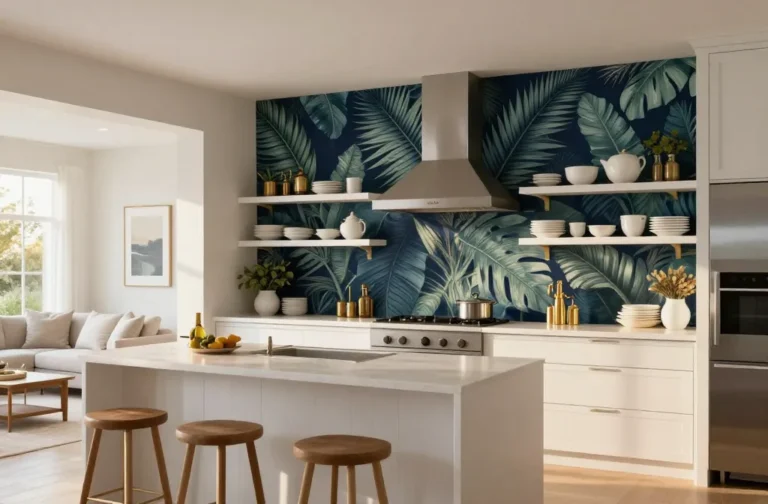
Combining cabinets with open shelving creates a kitchen that feels practical and inviting. This design prevents walls of cabinets from feeling too heavy visually.
Open shelves can display bowls, plates, or frequently used cooking essentials. They also encourage homeowners to add personal style through carefully chosen accessories.
Closed cabinets still provide hidden storage for less attractive kitchen items. This balance creates a thoughtful kitchen cabinets design that feels personalized.
Wood shelves can add warmth to painted cabinet finishes. Metal brackets can introduce a subtle industrial touch without dominating the room.
Open shelving works best when the displayed items remain organized. Too many objects can make the kitchen feel crowded quickly.
This design allows function and decoration to exist together naturally. It works especially well in kitchens that connect with living or dining spaces.
Floor-to-Ceiling Kitchen Cabinets Design for Maximum Storage
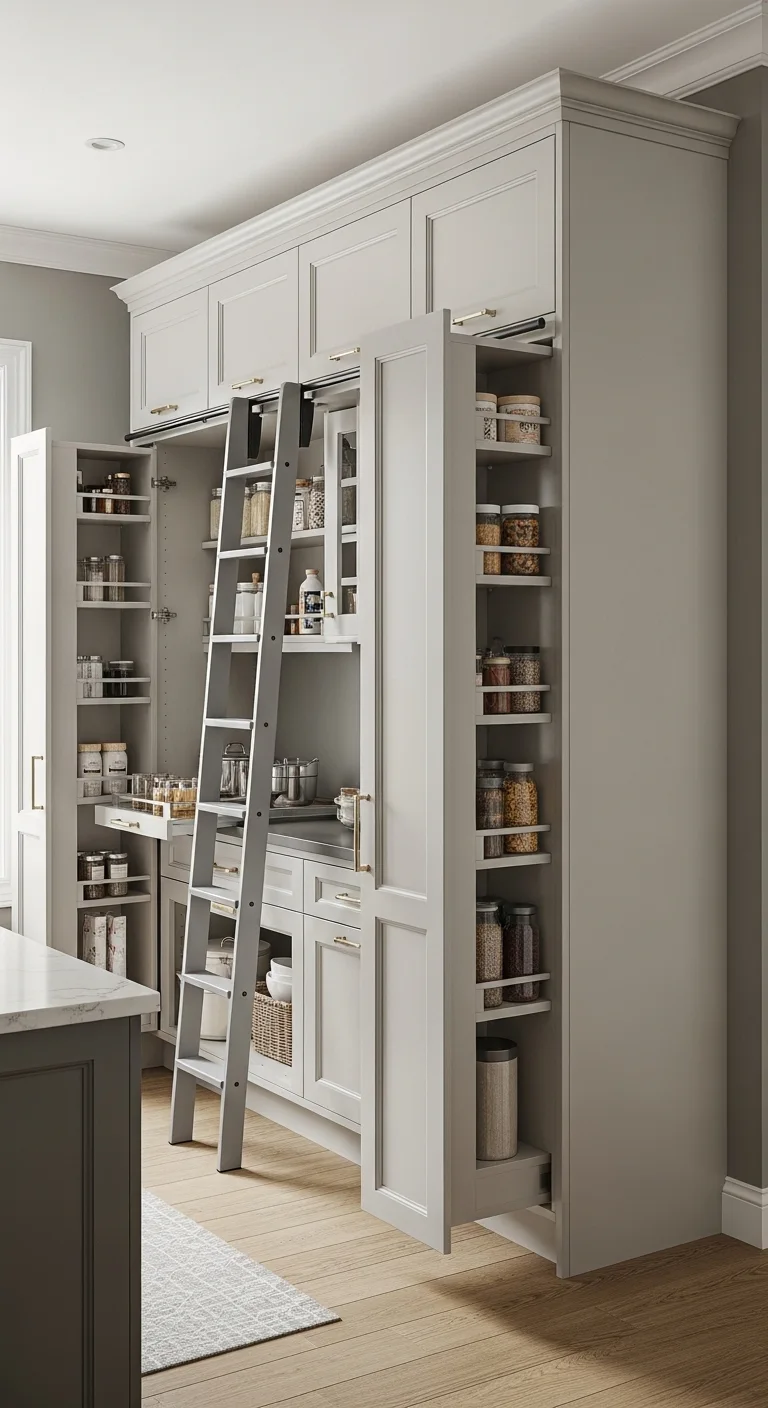
Floor-to-ceiling cabinets help homeowners use every available inch of vertical kitchen space. This design works especially well in smaller homes where storage space feels limited.
Tall cabinets reduce clutter by creating dedicated areas for seasonal cookware and pantry items. They also eliminate empty gaps that often collect dust above standard cabinets.
A vertical kitchen cabinets design can make the room appear taller and more refined. Integrated ladders or pull-down shelving can improve access to higher storage sections.
Many designers pair tall cabinets with hidden pantry compartments for a seamless appearance. Matching cabinet colors across the full height creates visual continuity.
Lighter shades can prevent the cabinets from feeling too dominant. This design suits modern kitchens that need both elegance and efficiency.
Homeowners who value organization often appreciate the clean look this style creates. It transforms unused wall space into practical storage without sacrificing style.
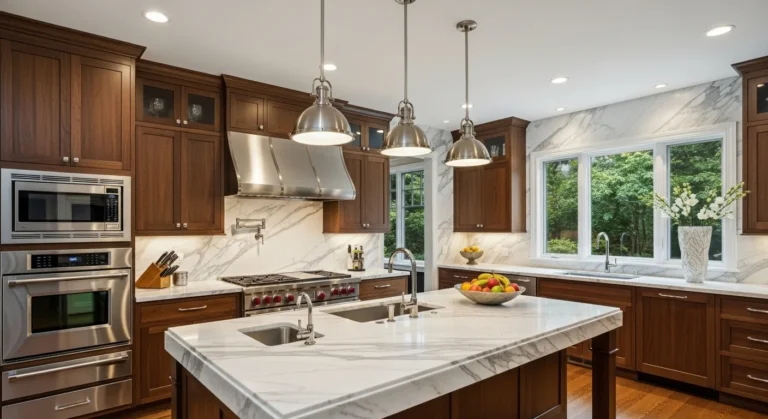
Natural Wood Kitchen Cabinets Design for Warmth
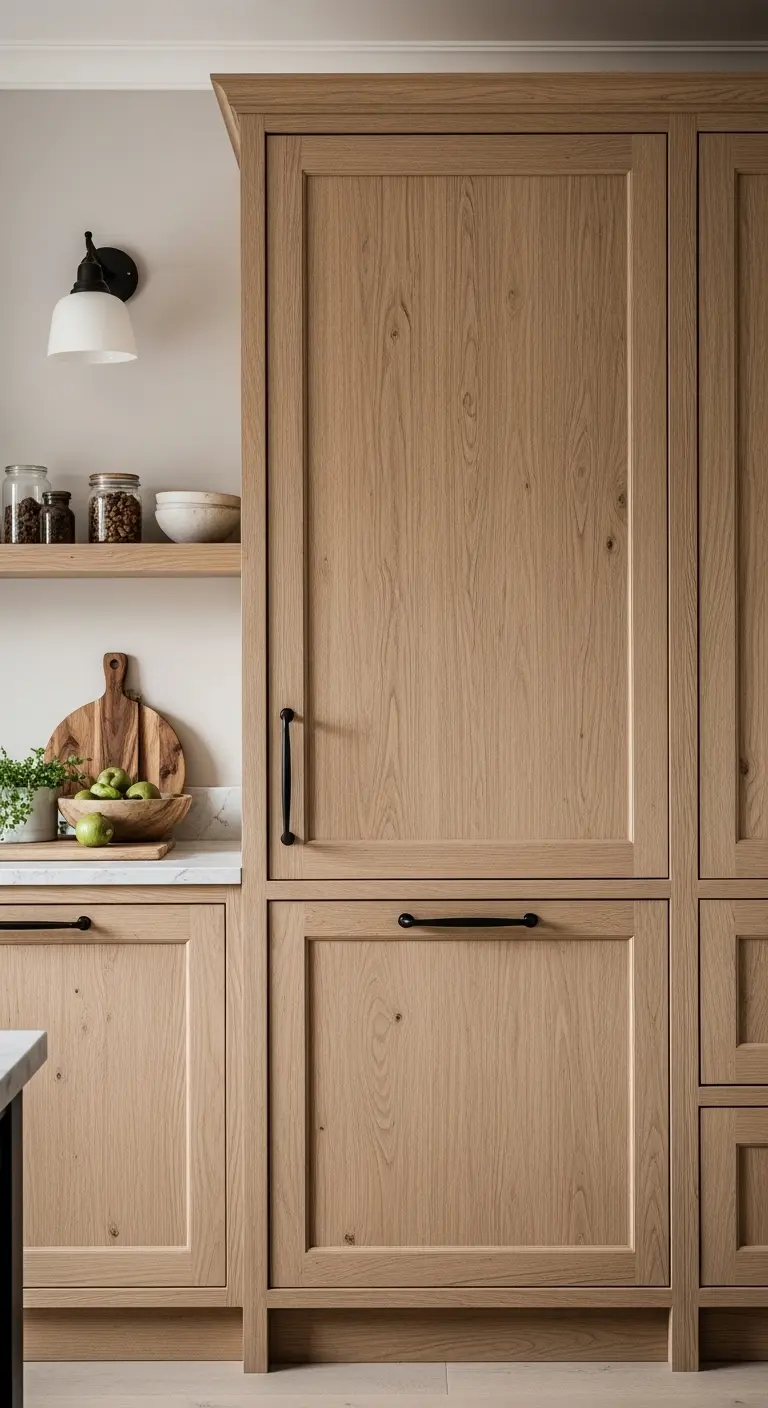
Natural wood cabinets bring warmth that painted surfaces sometimes struggle to achieve. Each wood grain pattern adds character that feels unique in every kitchen.
Oak, walnut, maple, and ash remain popular choices for timeless interiors. A wood-based kitchen cabinets design can make modern spaces feel more welcoming.
Lighter wood tones create an airy atmosphere in smaller kitchens. Darker wood finishes can add richness in larger open kitchens.
Wood cabinets pair beautifully with stone countertops and soft neutral walls. Many homeowners appreciate how natural materials age gracefully over time.
Simple hardware can help the grain remain the visual focal point. Matte finishes often preserve the authentic appearance of real wood.
This design works well in rustic, transitional, and Scandinavian-inspired spaces. Natural wood creates a comfortable environment that feels both elegant and familiar.
Matte Finish Kitchen Cabinets Design for Soft Elegance
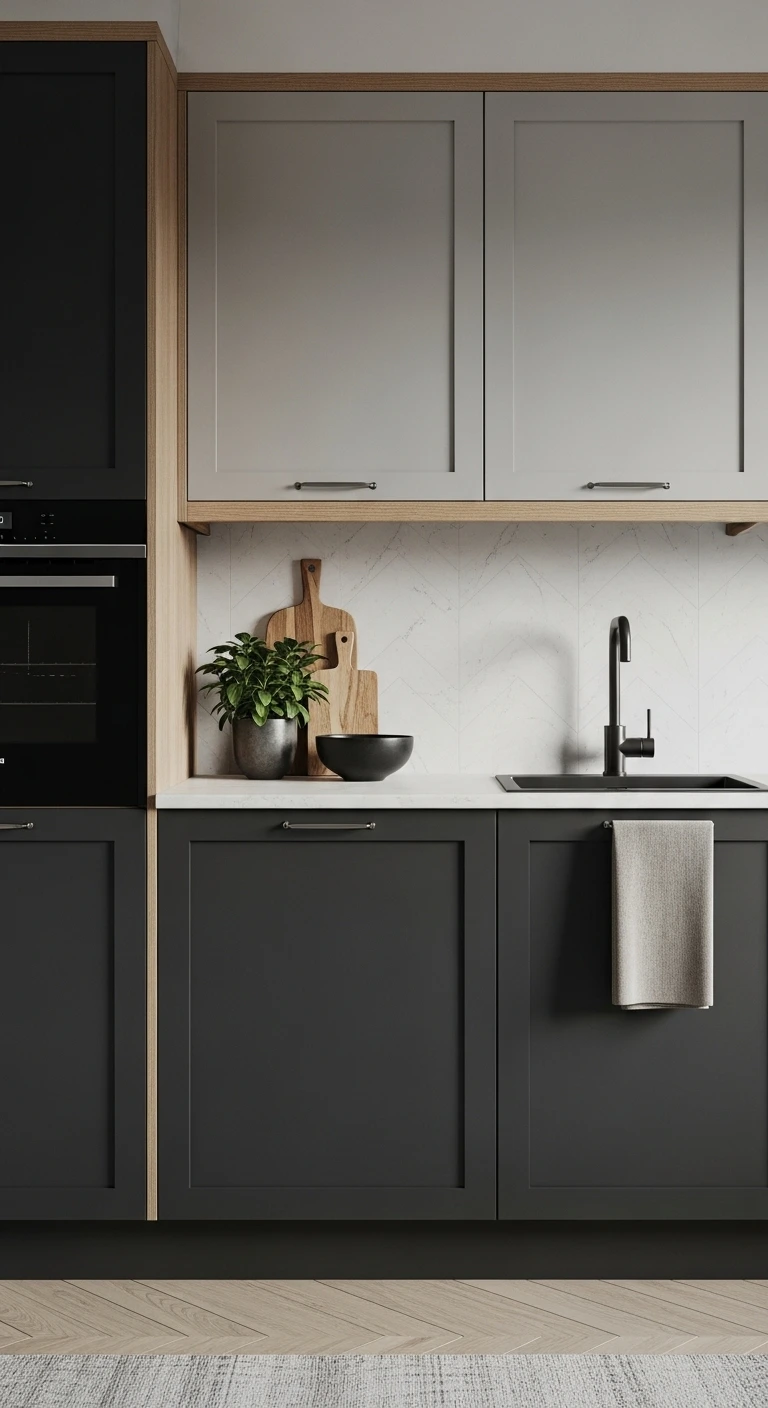
Matte cabinets create a softer appearance than highly reflective glossy finishes. They offer understated elegance that works in many modern kitchen styles.
A matte kitchen cabinets design can feel luxurious without appearing overly dramatic. These finishes often hide fingerprints better than polished surfaces.
That advantage makes them practical for families who use the kitchen frequently. Matte cabinets can also reduce glare from strong natural or artificial lighting.
Dark matte cabinets create depth while maintaining a calm atmosphere. Lighter matte colors can make a kitchen feel peaceful and spacious.
Textured matte finishes can add even more visual interest. This design pairs beautifully with wood accents and simple metal hardware.
Homeowners who prefer subtle sophistication often choose matte surfaces. The result feels modern while remaining comfortable enough for everyday living.
Bold Color Kitchen Cabinets Design for Personality
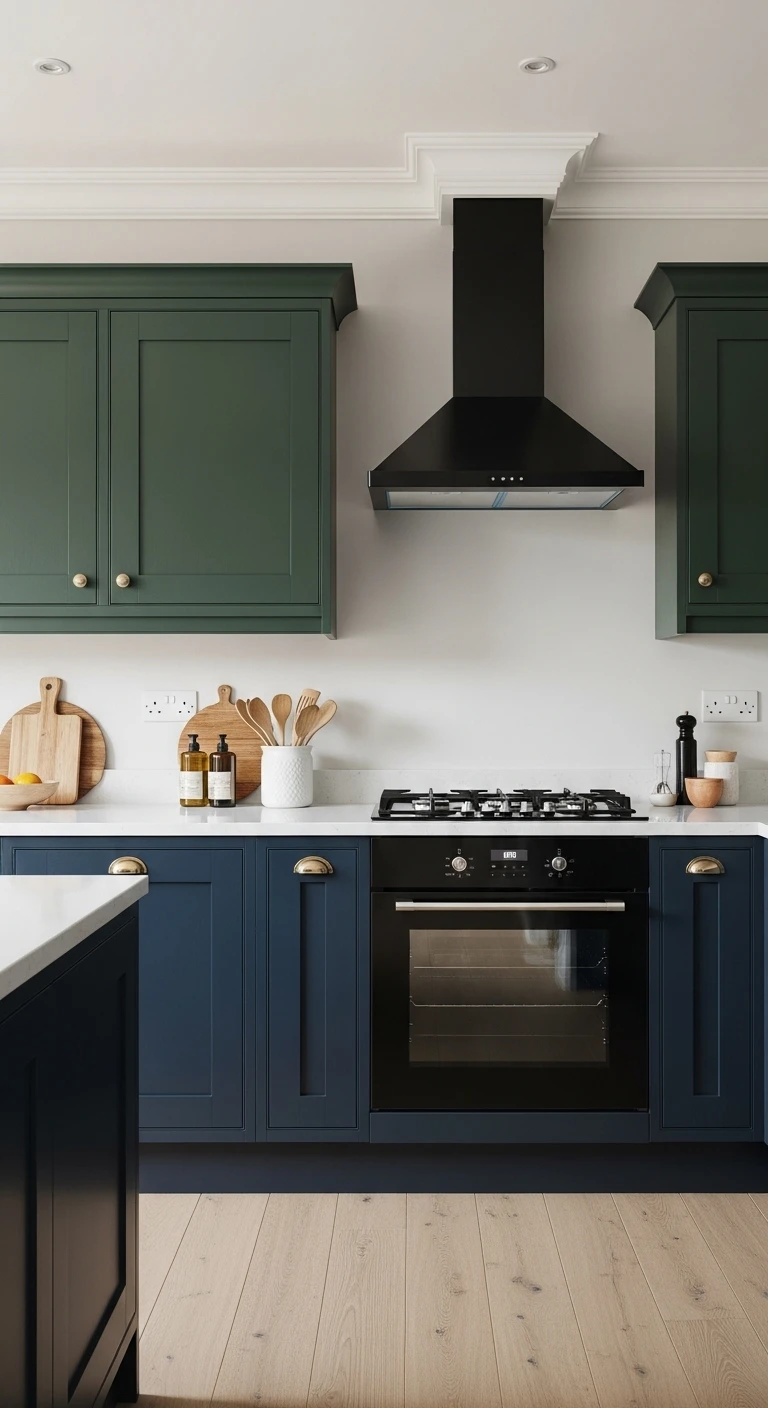
Bold cabinet colors can turn an ordinary kitchen into a memorable design feature. Deep green, navy blue, and charcoal remain popular for dramatic interiors.
A colorful kitchen cabinets design can reflect personality without changing the full layout. Rich shades often create a focal point that anchors the room.
Lighter walls can help balance darker cabinet colors naturally. Warm metallic hardware can enhance the depth of bold finishes.
Colorful cabinets work especially well in kitchens with generous natural light. Small kitchens can also benefit when the color feels intentional.
Homeowners often choose one statement color for an island or lower cabinets. This creates visual interest without overwhelming the entire room.
Bold colors can still feel timeless when paired with simple cabinet shapes. This design helps the kitchen feel distinctive and carefully curated.
Corner Pull-Out Kitchen Cabinets Design for Hidden Storage
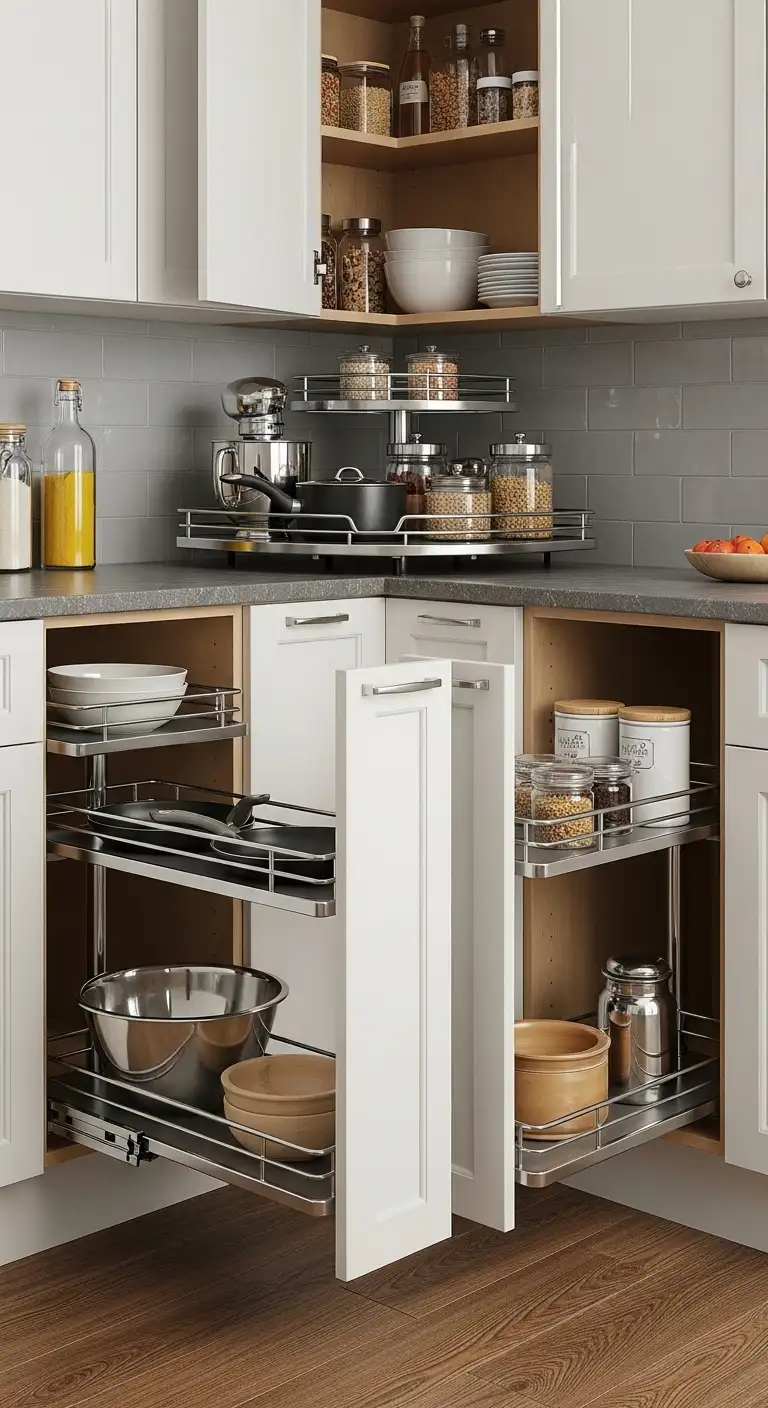
Corner cabinets often become wasted spaces when traditional shelving limits access. Pull-out systems can transform those awkward corners into useful storage zones.
A functional kitchen cabinets design should make every section easy to reach. Swing-out trays allow cookware to slide forward without difficult bending.
Some systems use rotating shelves that reveal stored items smoothly. These solutions work especially well in compact kitchens with limited cabinets.
Homeowners can store pans, mixing bowls, or dry goods more efficiently. The design reduces frustration caused by forgotten items in dark corners.
Modern pull-out hardware also feels smooth and durable during daily use. Cabinet exteriors can remain simple while the interior adds hidden convenience.
This idea improves organization without changing the overall kitchen style. It blends practical storage with a polished appearance that supports daily cooking.
Shaker Style Kitchen Cabinets Design for Timeless Appeal
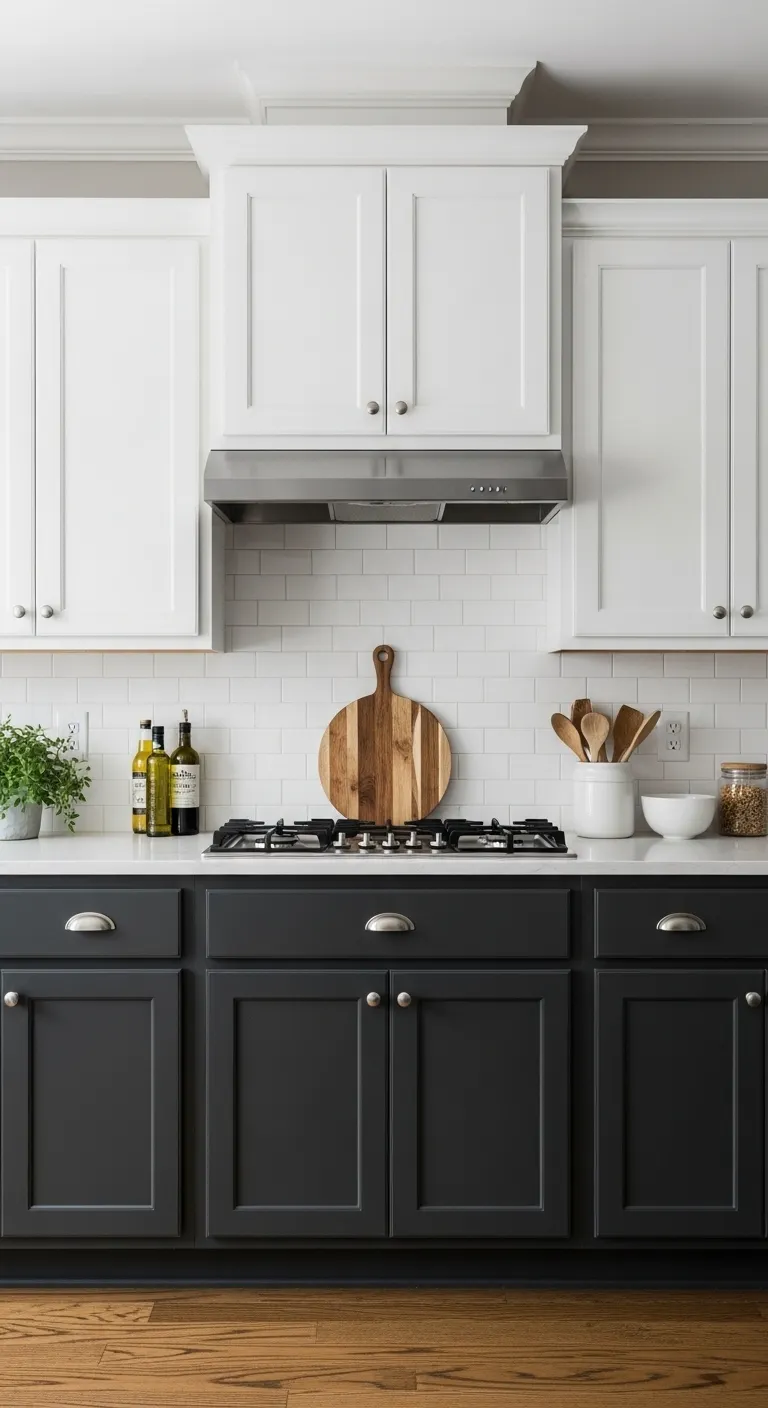
Shaker cabinets remain one of the most trusted choices in kitchen design. Their simple frame creates a clean look that never feels outdated.
A classic kitchen cabinets design often starts with versatile shaker doors. These cabinets work in both modern and traditional homes.
White shaker cabinets create brightness that suits almost any kitchen layout. Darker finishes can make the same style feel richer and more dramatic.
The balanced proportions give the kitchen a calm appearance. Shaker cabinets also pair well with many countertop materials and backsplash styles.
Homeowners appreciate the flexibility of changing hardware later. This allows the same cabinets to evolve with future trends.
Their understated design supports long-term value in kitchen renovations. That timeless quality makes them a reliable choice for many households.
Mixed Texture Kitchen Cabinets Design for Custom Style
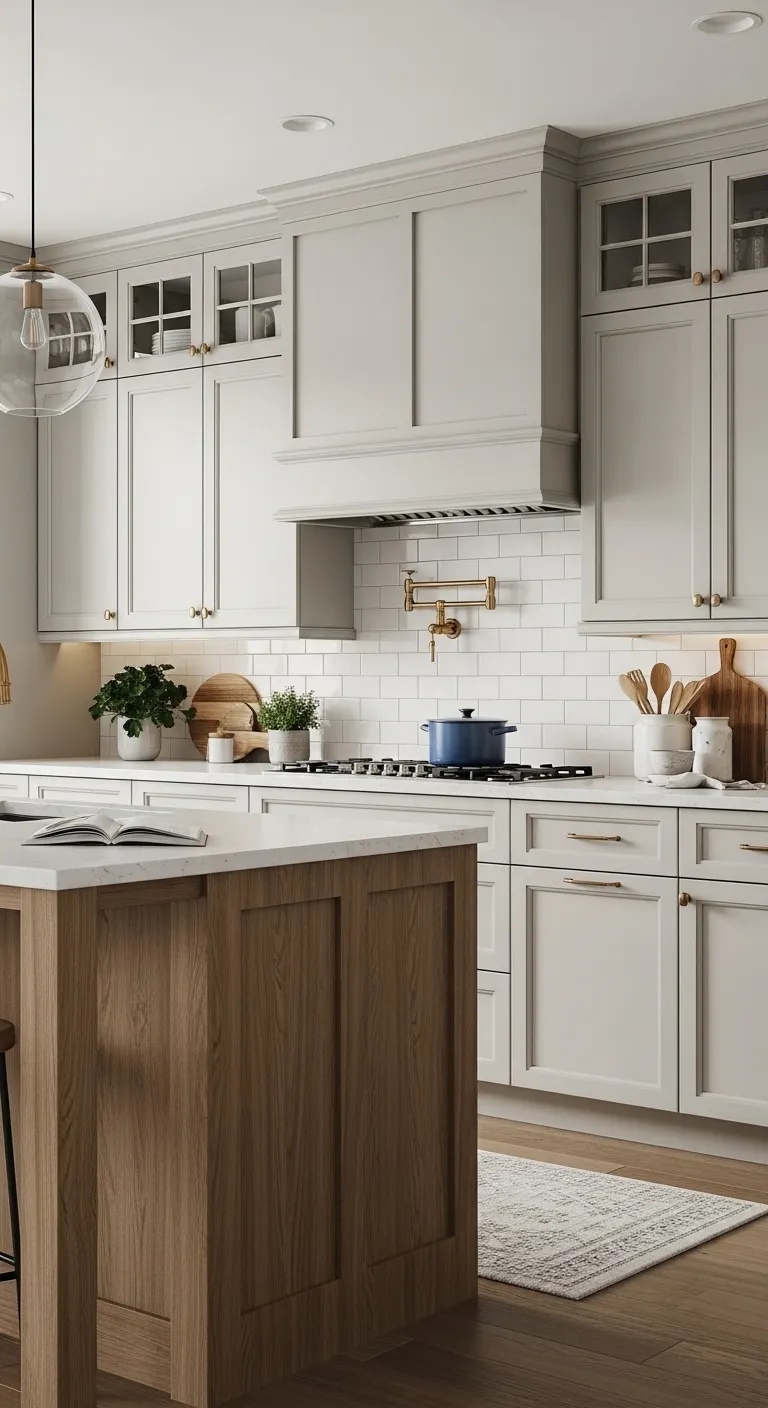
Mixed textures can make kitchen cabinets feel thoughtfully customized. Combining painted finishes with wood creates layered visual interest.
A creative kitchen cabinets design often feels richer through material contrast. Wood islands can stand out against smooth painted perimeter cabinets.
Matte surfaces can pair beautifully with subtle natural grain. This contrast adds depth without making the room feel busy.
Different textures can also help define functional areas in larger kitchens. Homeowners often use softer textures to create warmth.
Sleeker finishes can maintain a clean and modern impression. This design works well for people who want a personalized kitchen.
It creates a designer-inspired look without complicated construction changes. Mixed materials can give the entire kitchen a more refined personality.
Common Mistakes to Avoid in Kitchen Cabinets Design
Many homeowners choose cabinets based only on appearance and ignore daily functionality. That decision can create storage problems that become frustrating over time.
A poor kitchen cabinets design often lacks enough room for essential cookware. Some people also choose colors that make the kitchen feel darker than expected.
Ignoring natural light can make even expensive cabinets feel disappointing. Oversized cabinets can overwhelm smaller kitchens visually.
Weak materials may also show damage sooner than expected. Poor hardware can reduce comfort during daily use.
Some layouts place cabinets where movement feels restricted. Others forget to plan for future storage needs.
Thoughtful planning helps prevent expensive mistakes later. A balanced design should always combine style, durability, and everyday practicality.
Budget-Friendly Ways to Upgrade Kitchen Cabinets Design
A fresh kitchen look does not always require complete cabinet replacement. Simple changes can improve your kitchen cabinets design without major expense.
Painting old cabinets can instantly transform the room. New handles can make outdated cabinets feel more current.
Soft-close hinges can improve comfort without changing the cabinet structure. Interior organizers can create more useful storage space.
Under-cabinet lighting can improve both mood and functionality. Replacing only cabinet doors can cost less than full renovation.
Peel-and-stick finishes can refresh surfaces temporarily. Open shelving can replace a few upper cabinets economically.
Small upgrades often create bigger visual changes than expected. Careful updates can make older kitchens feel modern while protecting your budget.
Final Thoughts
Kitchen cabinets influence storage, comfort, and visual style more than many homeowners realize. The right kitchen cabinets design can completely change how a kitchen feels each day.
Some people prefer timeless styles that remain attractive for years. Others want bold cabinets that reflect personal taste.
Every design idea should support how the kitchen functions daily. Beautiful cabinets should always make cooking easier, not more complicated.
Materials, finishes, and layout choices all matter equally. Even small cabinet improvements can create a noticeable difference.
Thoughtful planning can help avoid costly mistakes later. The best cabinet design balances beauty with long-term practicality.
When style and function work together, the kitchen becomes more enjoyable. That balance can turn an ordinary cooking space into a favorite part of the home.