13 DIY Pantry Organization Ideas for a Clutter-Free Space
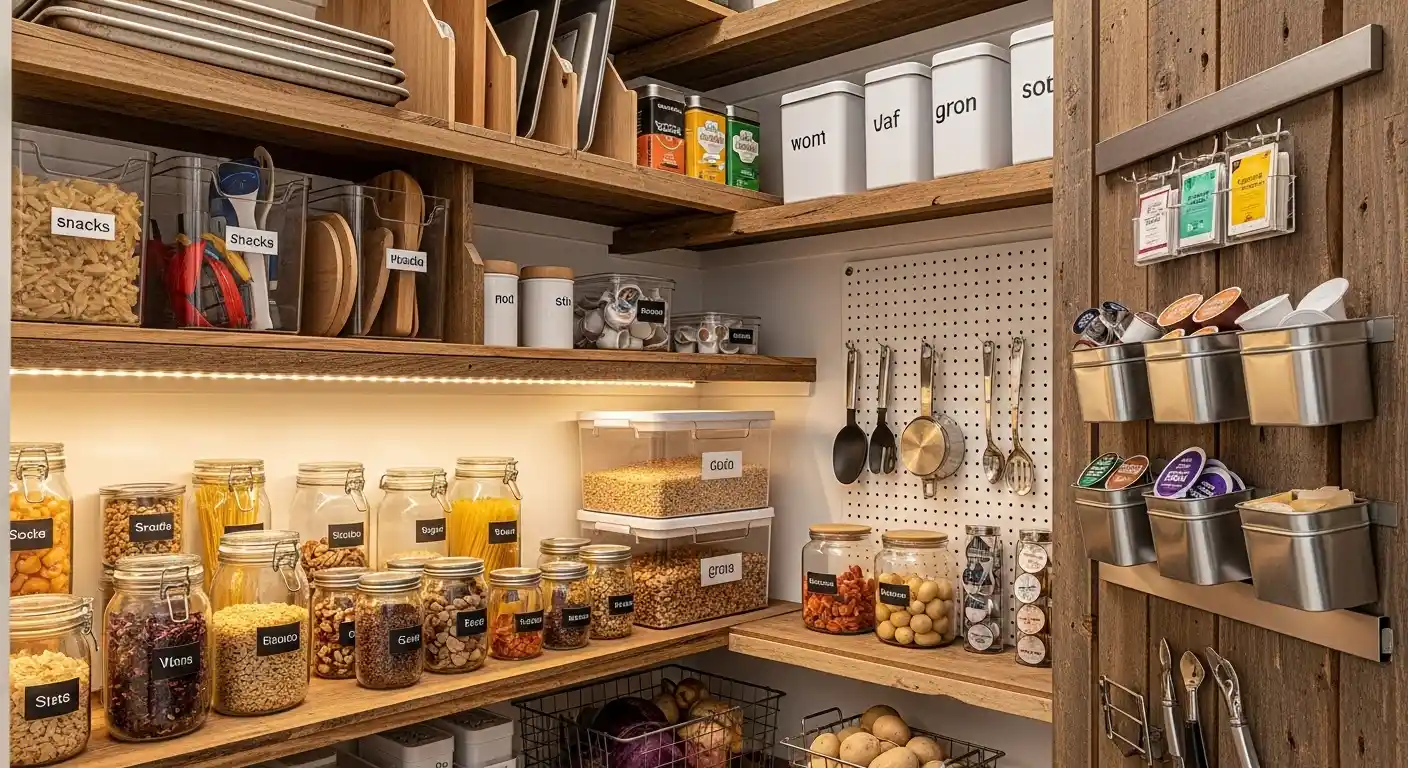
Struggling to keep your pantry neat and easy to use? In this post, we’ve gathered simple DIY pantry organization ideas that will help you create a clean, clutter-free, and functional space without spending too much.
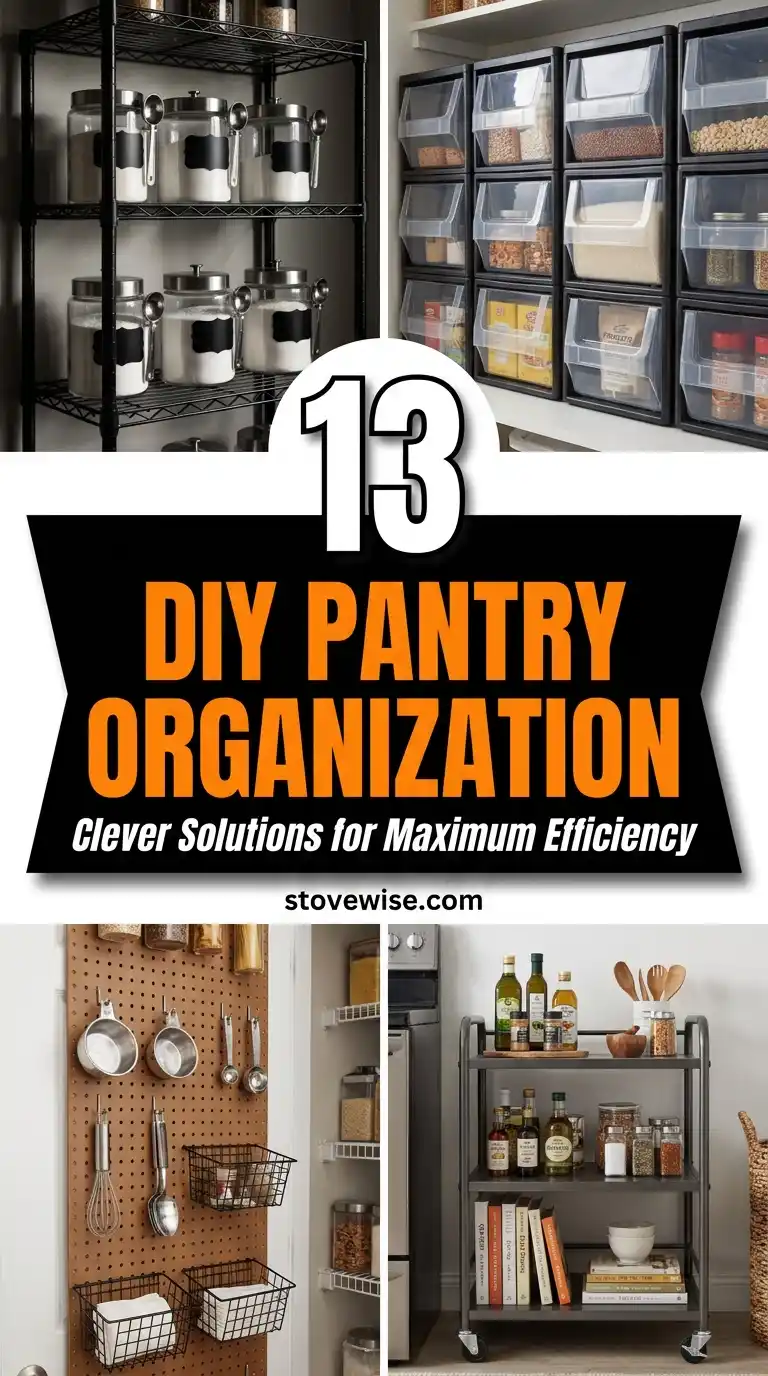
When I first opened my pantry after moving into our new home, I just stood there staring. Half-empty pasta boxes, mismatched jars, and snacks shoved into random corners made it feel more like chaos than storage. I kept thinking, “How do people actually keep their pantry organized?”
I tried ignoring it at first, but every grocery trip made it worse. Things got lost, duplicates piled up, and I once found three half-used bags of rice hiding behind cereal boxes. That’s when I realized I needed a proper DIY pantry organization system, not just quick fixes.
So I started small. Clear containers, simple labels, and a little rearranging changed everything. Suddenly, I could see what I had, what I needed, and what I didn’t. It wasn’t just about looks—it made everyday cooking easier and honestly less stressful.
In this guide, I’ll share practical and affordable DIY pantry organization ideas that helped me turn a messy storage space into something clean, functional, and surprisingly satisfying to use every day.
Why DIY Pantry Organization Matters Beyond Aesthetics
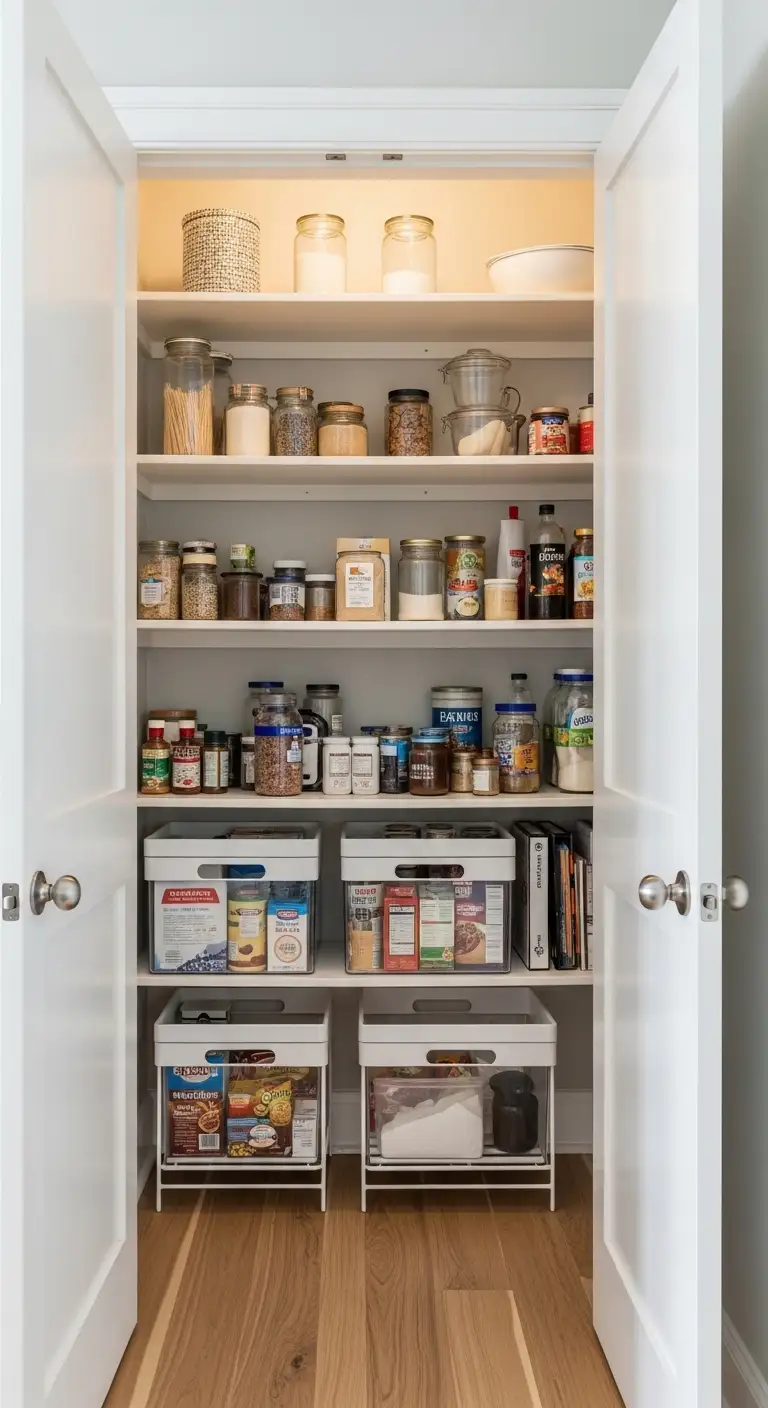
DIY pantry organization improves far more than appearance because it directly impacts efficiency, budgeting, and daily cooking performance within the household environment.
When users structure pantry storage correctly, they reduce time spent searching for ingredients and improve overall meal preparation speed significantly each day.
Good kitchen organization also prevents unnecessary duplicate purchases by making stored items more visible and easier to track consistently over time.
Families benefit from healthier habits because organized spaces encourage better ingredient choices and reduce reliance on processed convenience foods during busy routines.
Essential Principles Before Starting DIY Pantry Organization
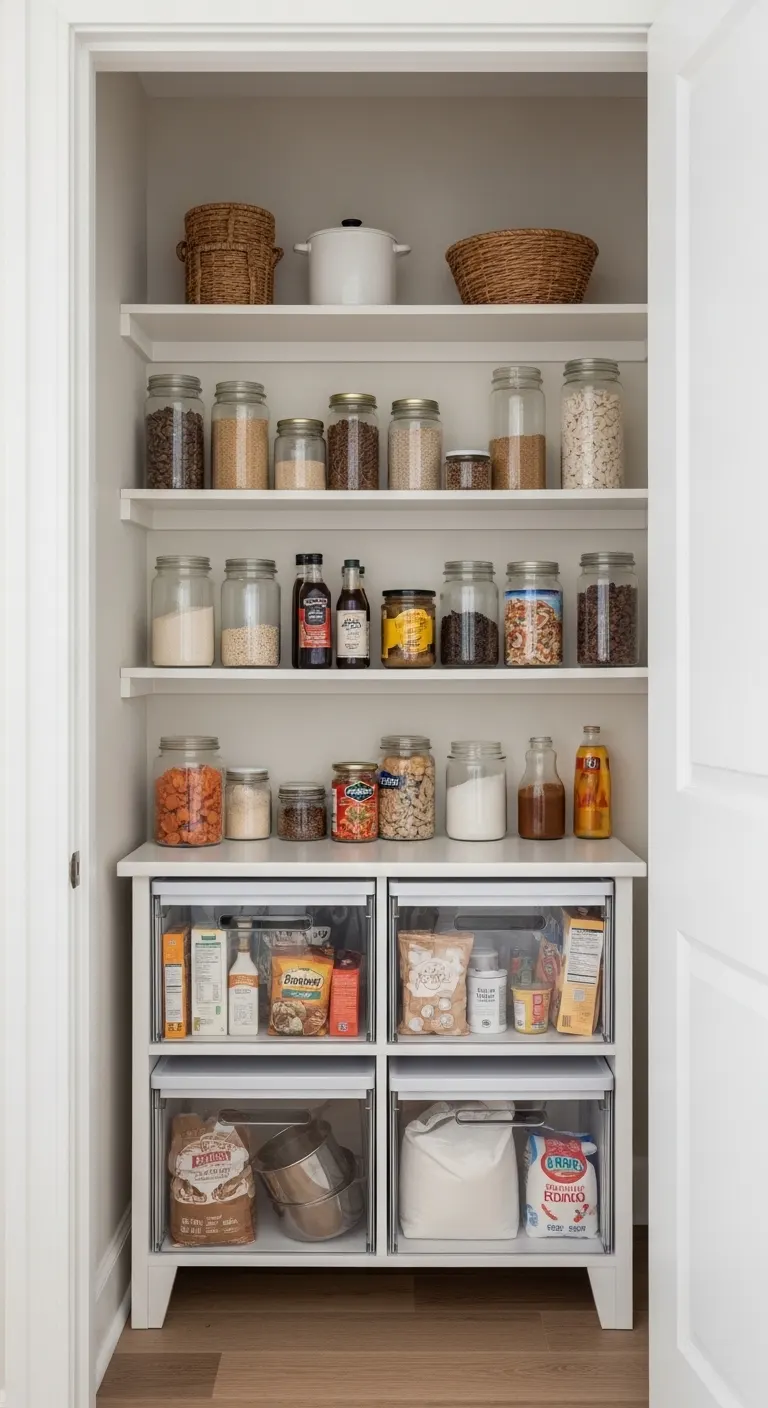
Successful DIY pantry organization begins with evaluating available storage space and identifying practical challenges that affect daily kitchen workflow and accessibility.
Homeowners should group similar pantry storage items together so they can create logical categories that support smoother and faster cooking processes.
A clear plan helps users assign specific zones for frequently used ingredients, seasonal items, and long-term bulk storage needs effectively.
Consistent organization principles ensure long-term success by improving maintenance habits and reducing clutter buildup across different pantry sections over time.
13 DIY Pantry Organization Ideas
Clear-Out and Categorize Everything
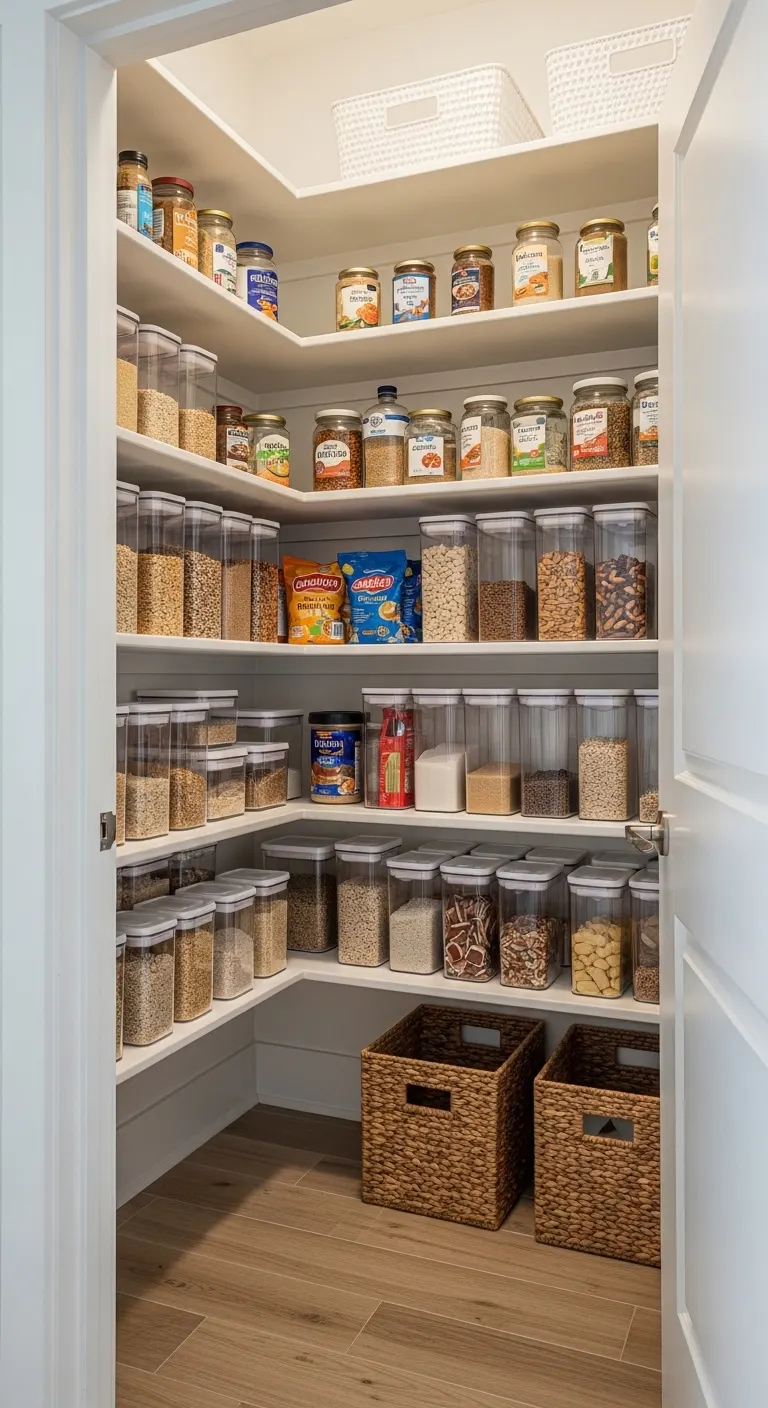
Clear-out and categorization form the foundation of effective DIY pantry organization because they help reset the entire storage system before improvement begins.
Users should remove every item from shelves and inspect expiration dates to eliminate unused or spoiled pantry storage products efficiently and carefully.
Grouping items into categories such as grains, snacks, and baking essentials helps establish structure that improves long-term kitchen organization significantly.
This process also reveals duplicate products and wasted space, allowing homeowners to redesign pantry layouts based on actual usage patterns.
A clean reset creates clarity and ensures every future organization step supports functionality, efficiency, and improved household food management systems.
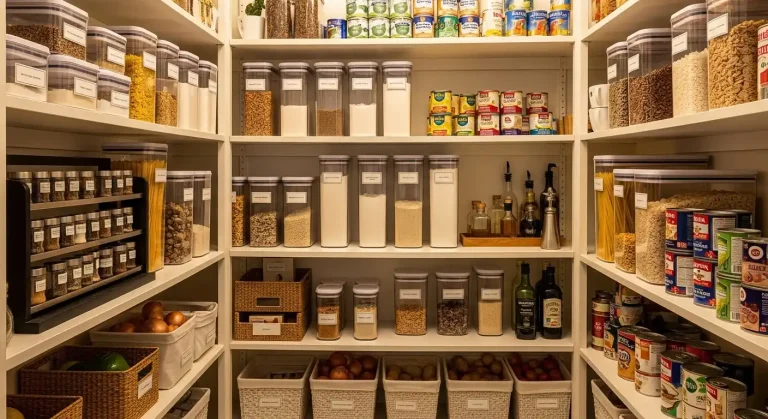
Use Transparent Containers
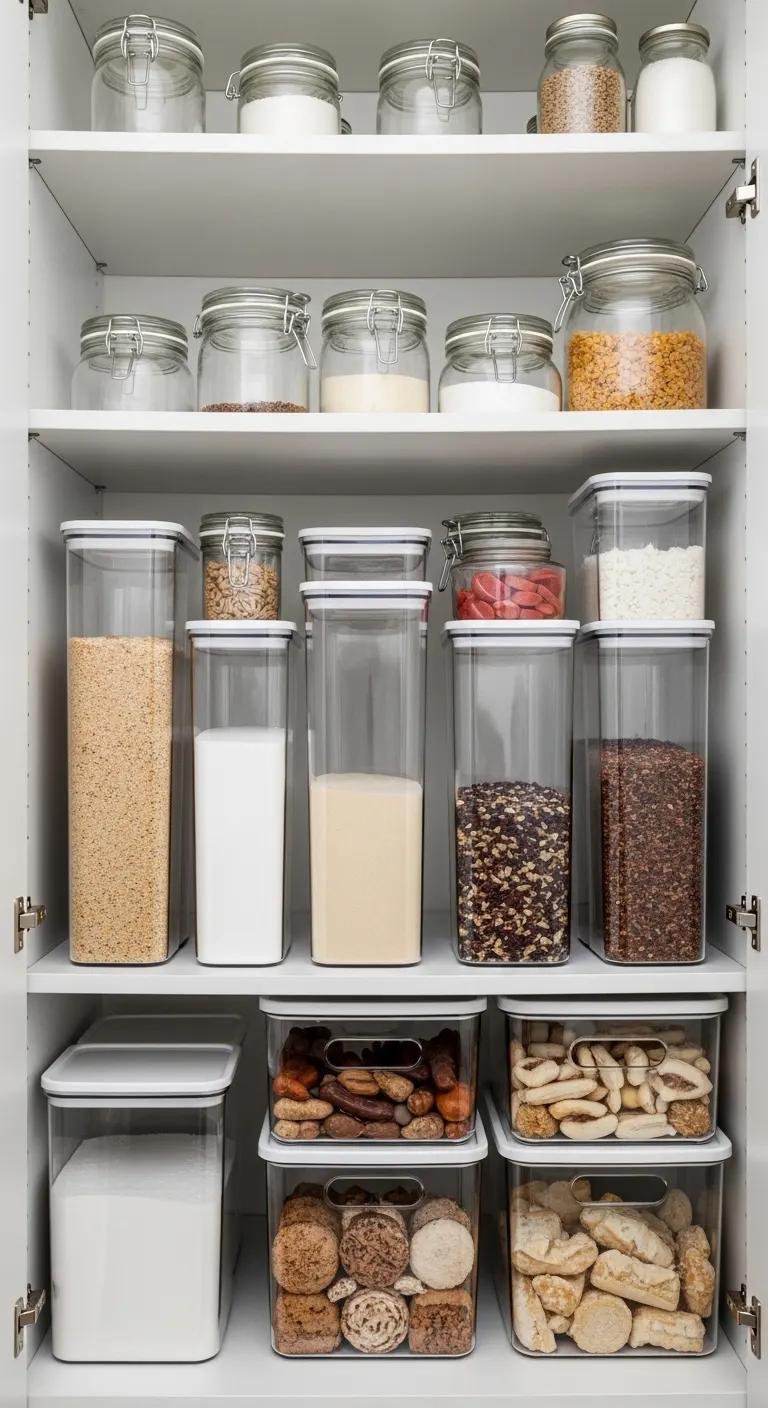
Transparent containers significantly improve DIY pantry organization because they allow users to identify ingredients quickly without opening multiple storage units repeatedly.
Clear jars and bins enhance pantry storage efficiency by showing exact quantities, which helps prevent overbuying and unnecessary food duplication.
These containers also protect ingredients from moisture and pests while extending shelf life and improving overall kitchen organization performance.
Uniform container designs create visual consistency that makes the pantry feel cleaner, more structured, and easier to maintain daily.
This simple upgrade transforms ordinary storage into a highly efficient system that supports both practicality and modern kitchen aesthetics.
Labeling Systems That Strengthen Kitchen Organization Flow
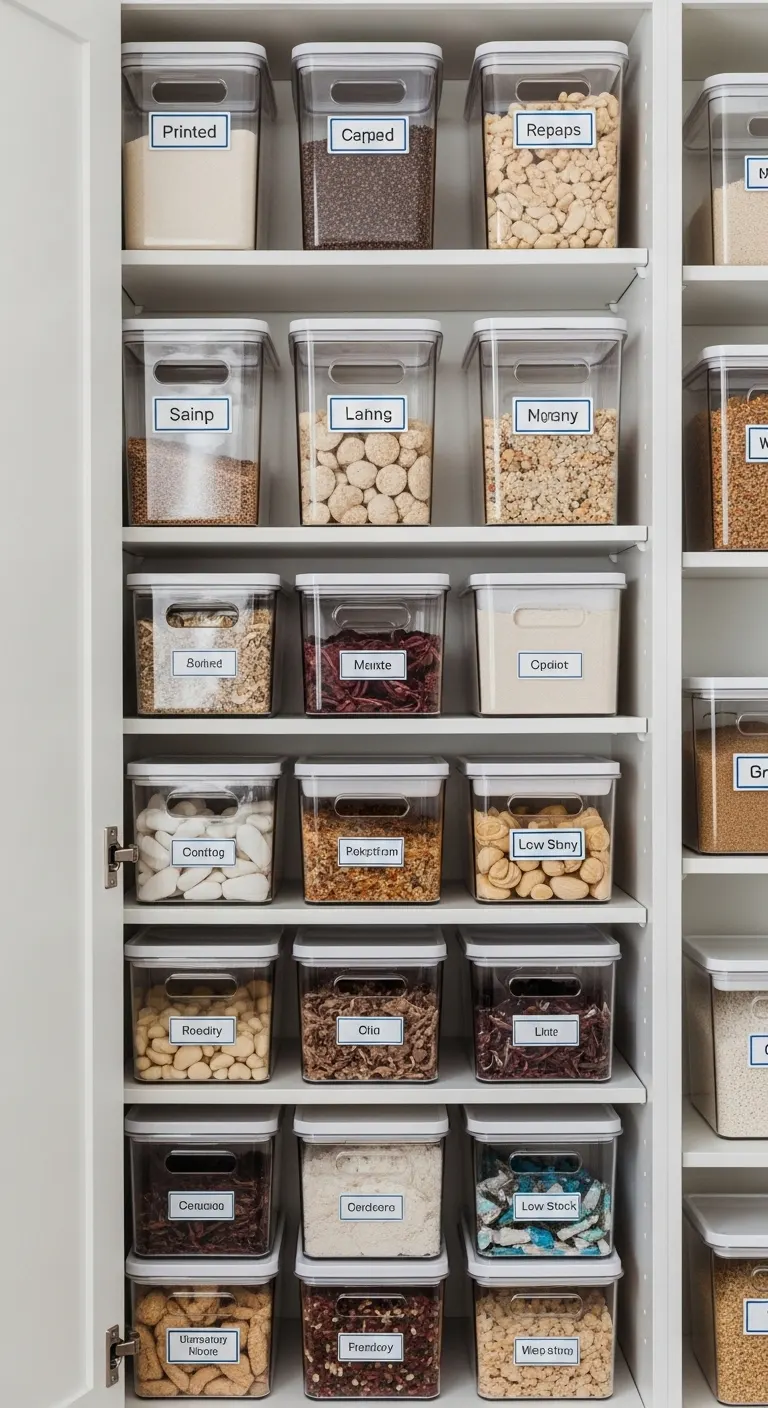
Labeling systems play a crucial role in DIY pantry organization because they ensure every household member understands storage placement clearly and consistently.
Proper labels reduce confusion and improve pantry storage efficiency by helping users locate ingredients quickly during cooking or meal preparation routines.
Homeowners can choose printed, handwritten, or color-coded labels depending on their kitchen organization style and personal preferences for clarity.
Labels also support inventory tracking by making it easier to identify low-stock items and plan grocery shopping more effectively.
This structured approach creates smoother kitchen workflow and ensures long-term consistency in maintaining organized pantry systems across daily use.
Vertical Space Optimization
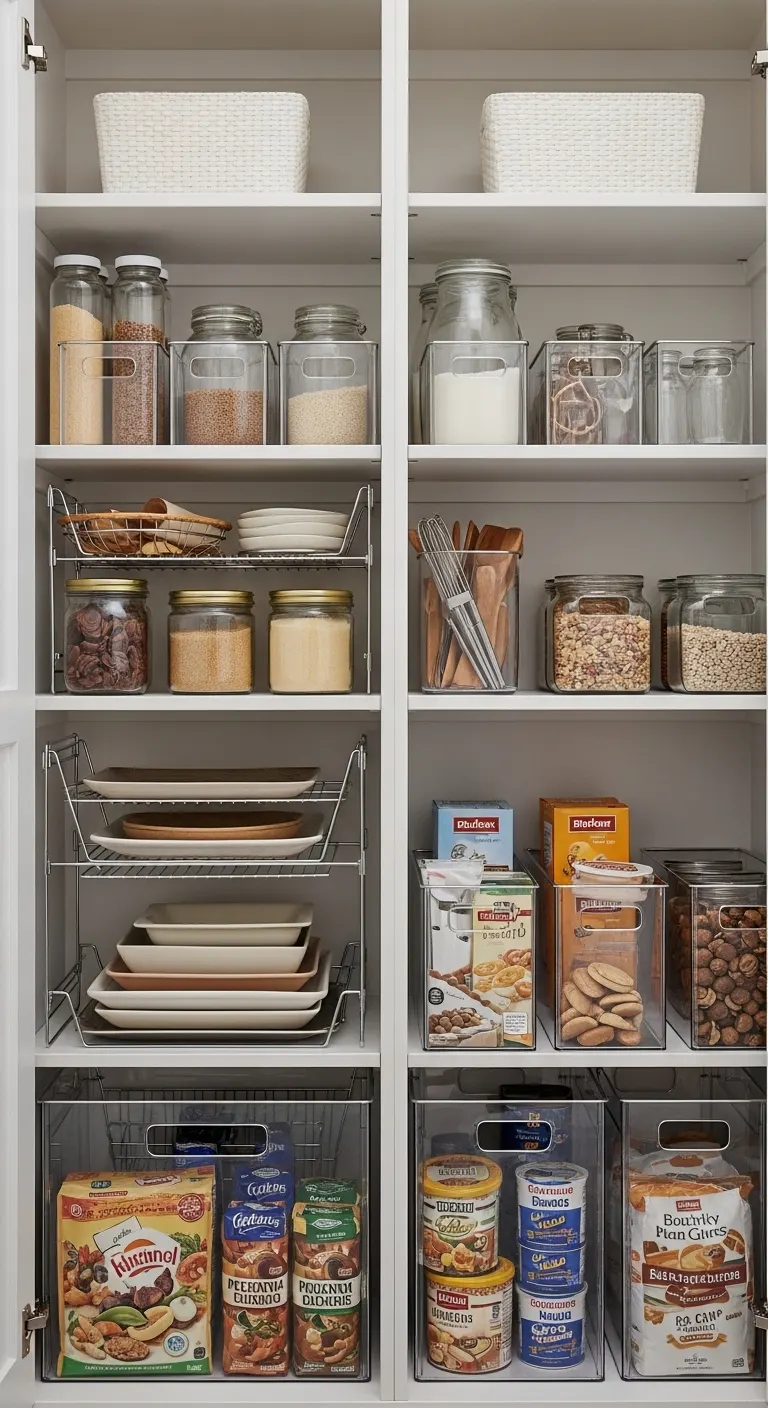
Vertical space optimization improves DIY pantry organization by maximizing unused height and increasing overall storage capacity without expanding physical kitchen space.
Stackable shelves help users separate categories efficiently, making pantry storage more structured and easier to navigate during busy cooking schedules.
This method allows homeowners to store lightweight items above heavier goods, improving balance and reducing clutter across shelf levels.
Vertical dividers also create designated zones for trays, baking tools, and packaged goods, enhancing kitchen organization efficiency significantly over time.
By utilizing height effectively, households create a more functional pantry that supports long-term organization and improved daily accessibility.
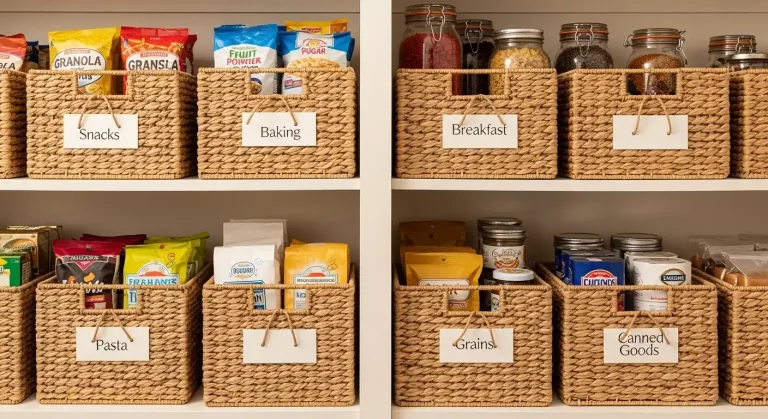
Basket-Based Grouping for Simplified Pantry Organization Systems
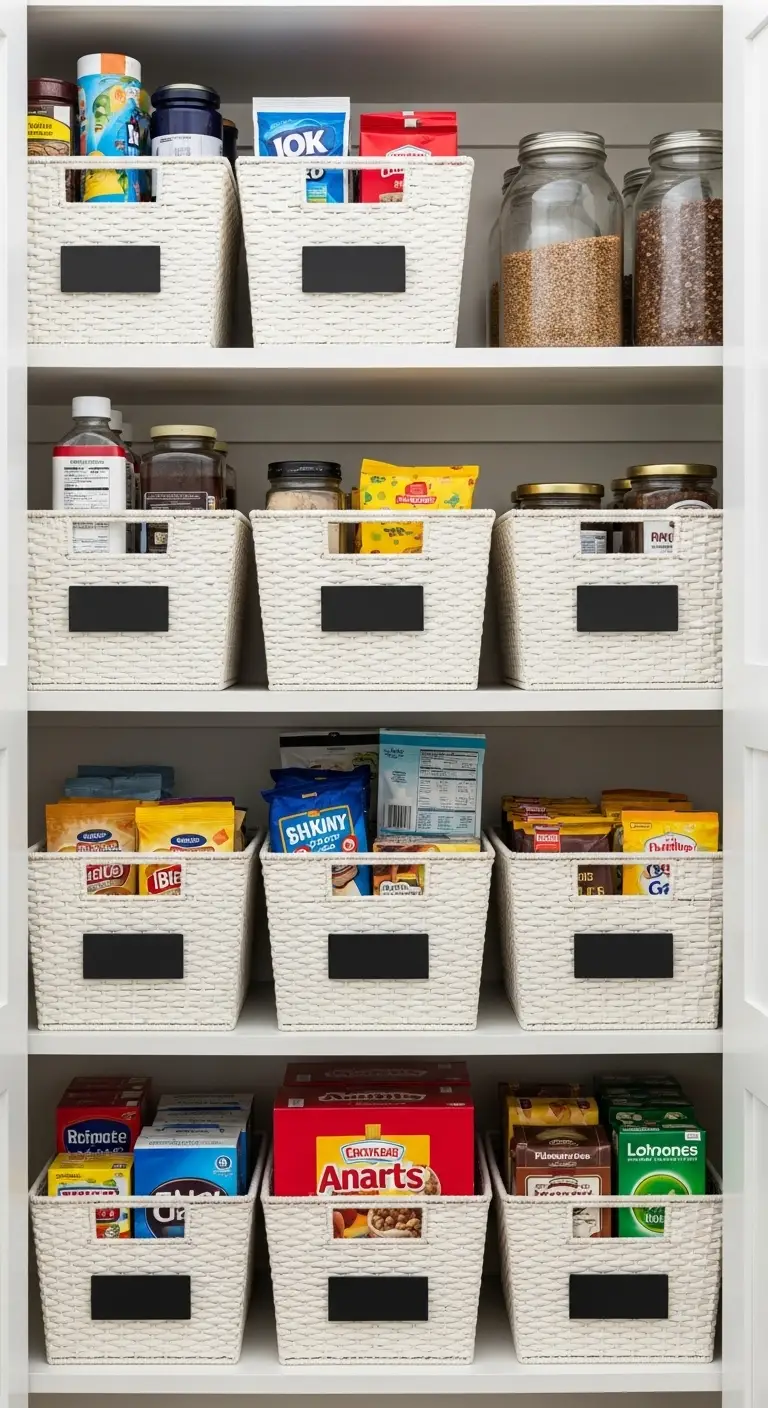
Basket-based grouping improves DIY pantry organization by creating flexible storage zones that keep similar items together in a visually structured way.
Homeowners can use baskets to separate snacks, baking supplies, or breakfast items, which improves overall pantry storage clarity and access speed.
This method supports better kitchen organization because users can pull out entire categories instead of searching through individual loose items.
Baskets also help reduce shelf clutter while making cleaning and rearranging much easier during regular pantry maintenance routines.
By using labeled baskets consistently, households build a simple system that stays organized even during busy and unpredictable cooking schedules.
Tiered Shelf Riser Systems for Better Visibility and Access
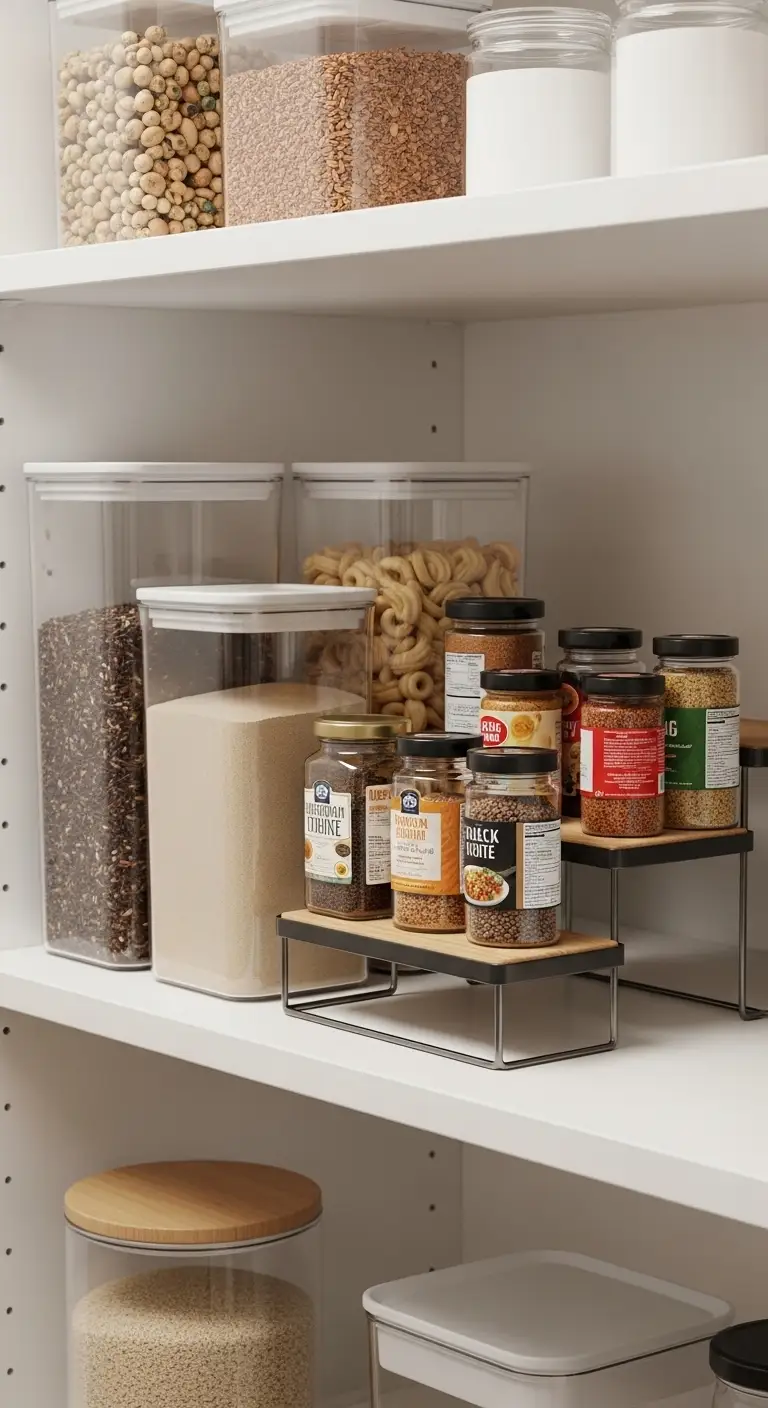
Tiered shelf risers enhance DIY pantry organization by improving visibility and ensuring that smaller items remain visible behind larger containers.
These risers elevate products in steps, allowing users to quickly scan ingredients without moving multiple pantry storage items around unnecessarily.
Better visibility strengthens kitchen organization because it reduces wasted time during meal preparation and improves overall cooking efficiency significantly.
Shelf risers also help maintain proper product rotation, ensuring older items get used first and reducing food waste consistently.
This simple structural upgrade transforms deep shelves into organized layers that support easier access and better long-term pantry management.
Door-Mounted Storage Solutions for Extra Pantry Space
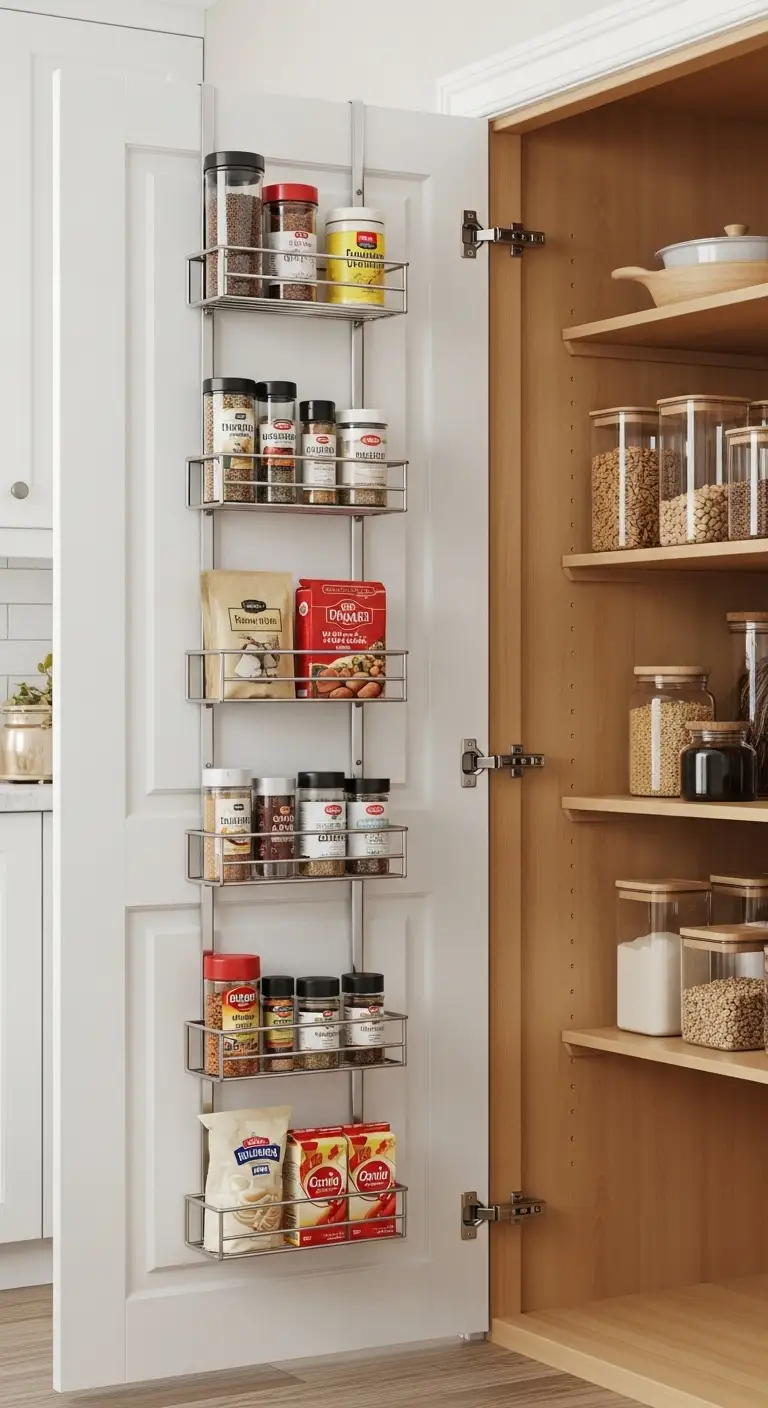
Door-mounted storage solutions improve DIY pantry organization by utilizing unused door space that often goes overlooked in traditional kitchen layouts.
These racks hold lightweight pantry storage items such as spices, packets, and small cooking essentials in an accessible vertical arrangement.
This system enhances kitchen organization by freeing up main shelf space for bulkier ingredients and larger storage containers.
Users benefit from quicker access to frequently used items because everything stays within easy reach during cooking preparation tasks.
By maximizing every available surface, door-mounted storage creates a more efficient and space-saving pantry environment overall.
Modular Storage Systems for Flexible Pantry Organization
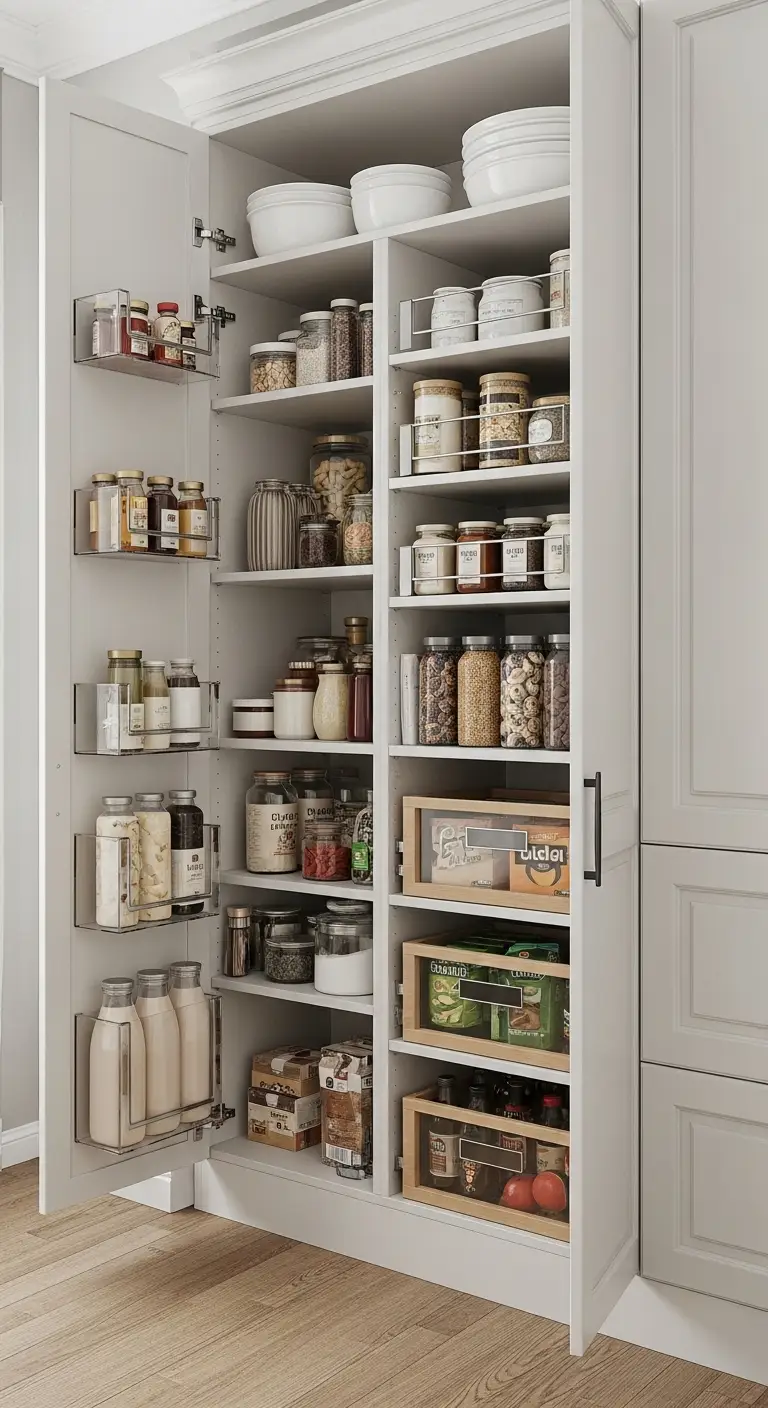
Modular storage systems support DIY pantry organization by offering adaptable layouts that change according to household needs and storage habits.
Users can rearrange shelves and compartments easily, which improves pantry storage flexibility and supports seasonal ingredient adjustments throughout the year.
This adaptability enhances kitchen organization by allowing households to accommodate bulk purchases, special diets, or evolving cooking styles efficiently.
Modular designs also simplify cleaning because sections can be moved or adjusted without disrupting the entire pantry structure.
This flexibility ensures long-term usability while maintaining a consistently organized and highly functional kitchen storage system.
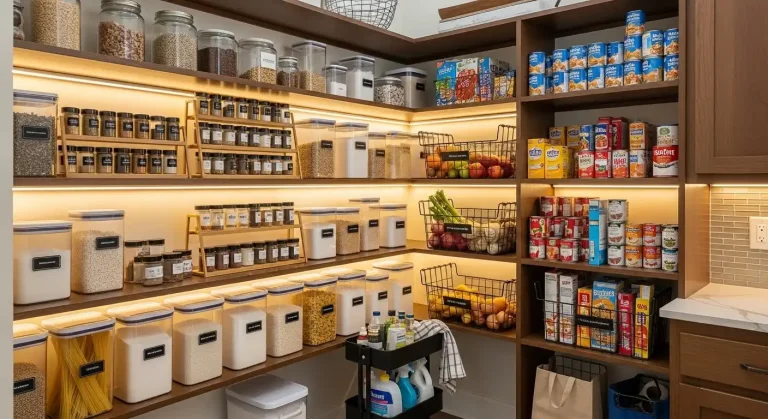
Glass Jar Uniformity for Clean Food Storage Systems
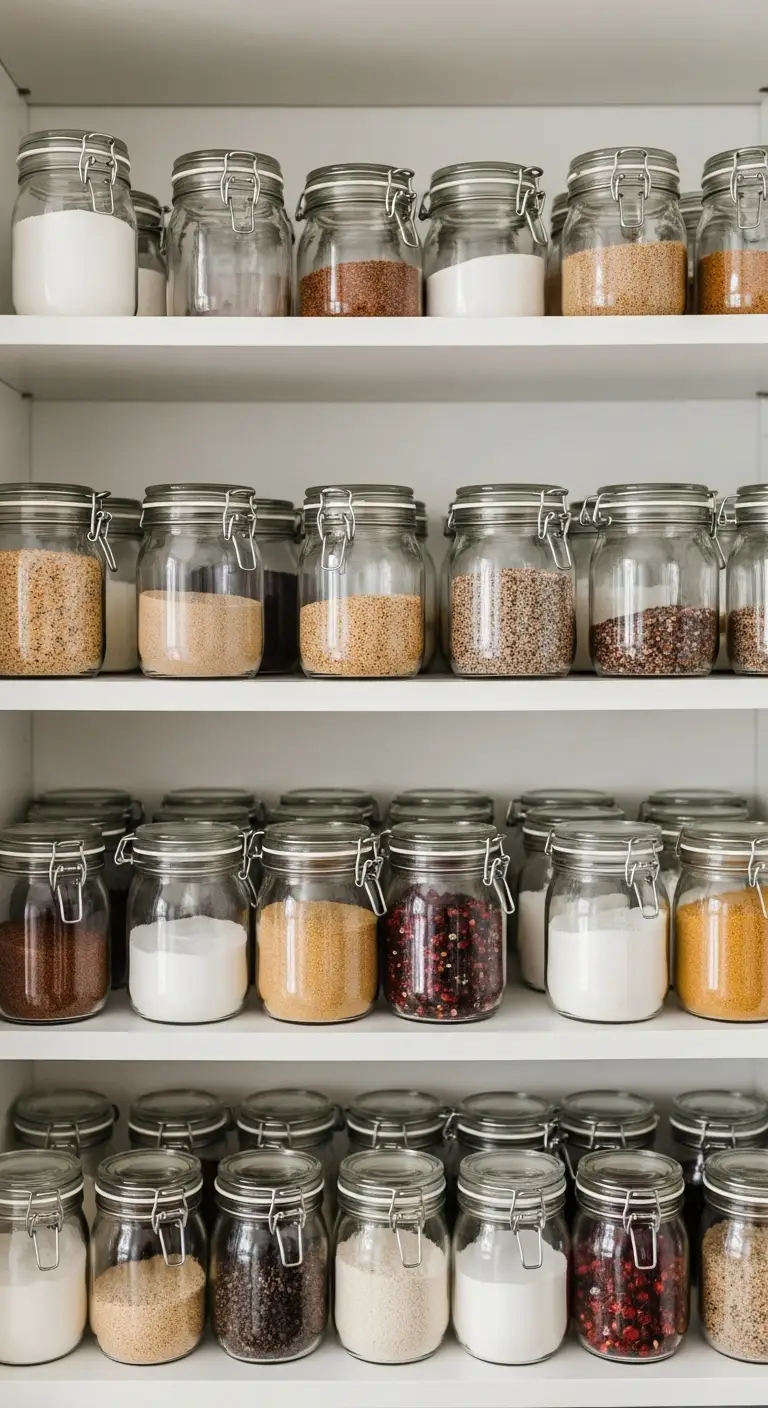
Glass jar uniformity strengthens DIY pantry organization by creating a visually consistent storage system that improves both function and aesthetics.
Transparent glass containers help users identify ingredients instantly, which improves pantry storage efficiency and reduces unnecessary packaging confusion.
Uniform sizing allows better shelf alignment, maximizing available space while maintaining clean and structured kitchen organization throughout the pantry.
This system also supports better portion control because ingredients become easier to measure and monitor during daily cooking routines.
Overall, glass jars combine practicality and design, creating a pantry that feels organized, modern, and highly efficient for everyday use.
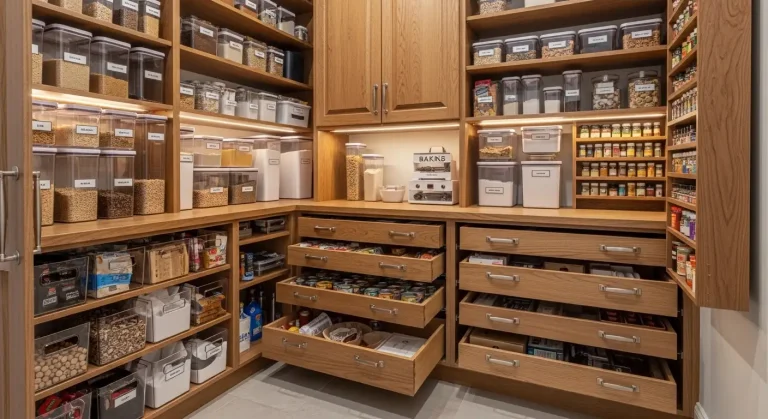
Pull-Out Drawer Inserts for Deep Pantry Accessibility
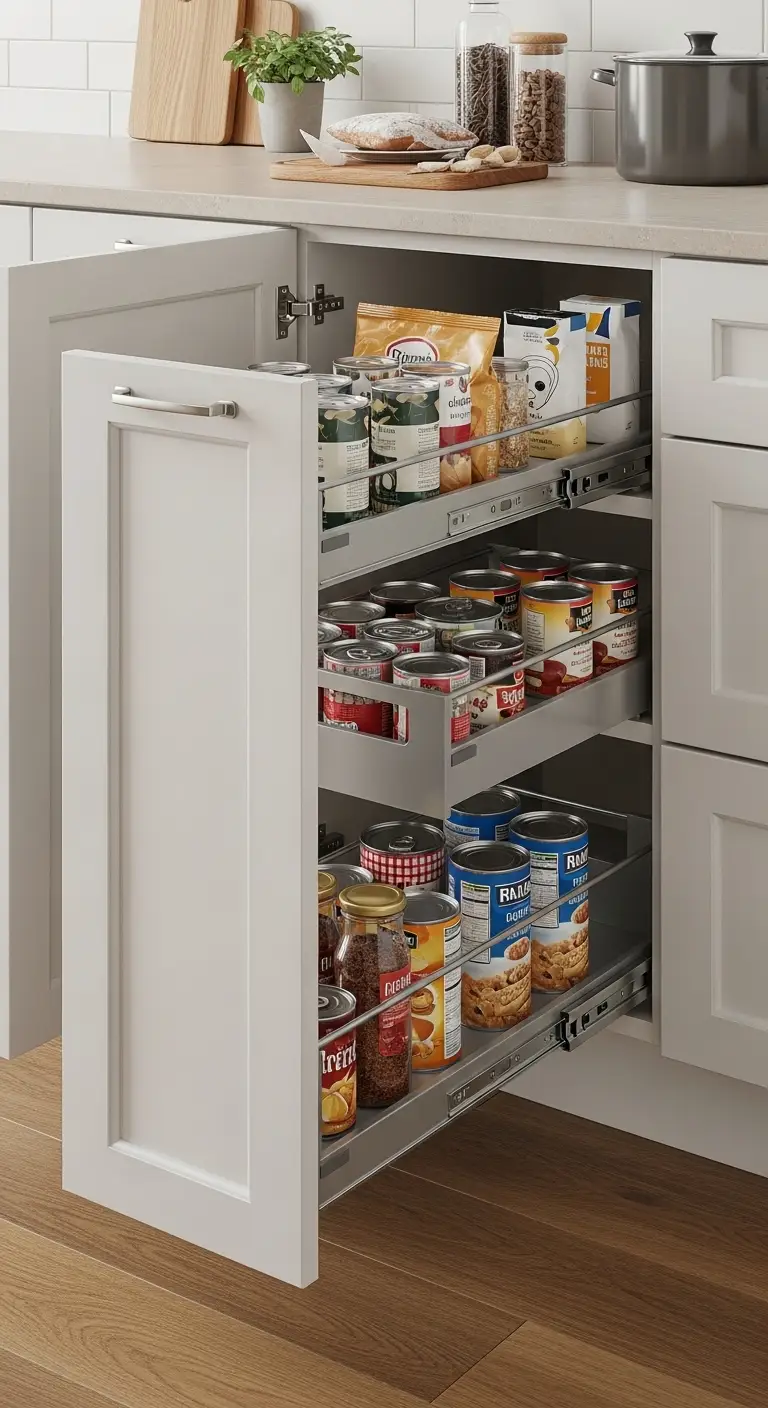
Pull-out drawer inserts enhance DIY pantry organization by solving accessibility issues commonly found in deep cabinets and lower storage spaces.
These sliding systems bring items forward, improving pantry storage visibility and reducing the need to reach into crowded shelves.
Better accessibility improves kitchen organization because users can quickly identify and retrieve ingredients without disrupting the entire storage arrangement.
Drawer inserts also allow better categorization of food groups, separating snacks, canned goods, and baking supplies more effectively.
This system transforms difficult-to-access areas into functional storage zones that improve convenience and reduce daily cooking frustration.
Rotating Lazy Susan Systems for Corner Pantry Optimization
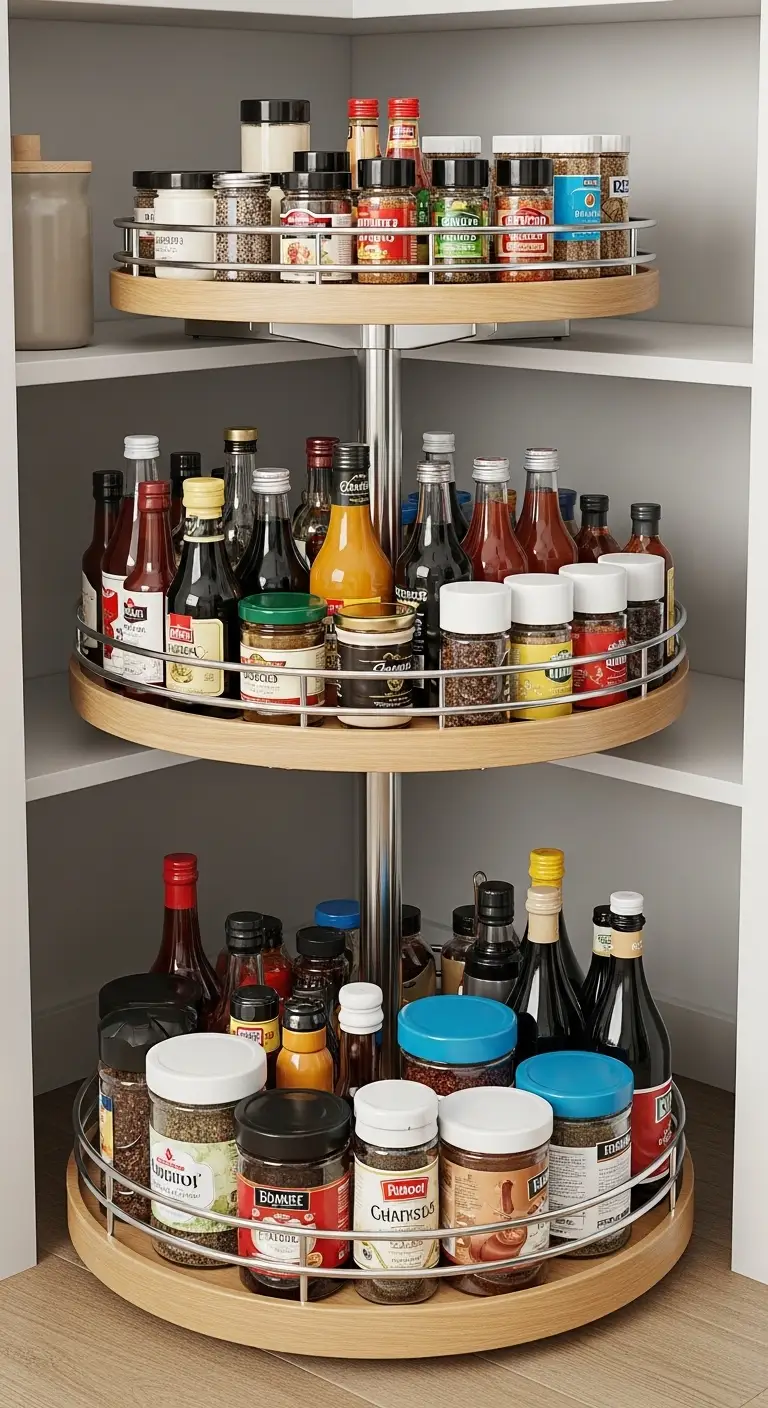
Rotating lazy Susan systems improve DIY pantry organization by making corner spaces more functional and easier to access during daily use.
These circular trays allow users to spin items into view, which enhances pantry storage visibility and reduces unnecessary searching time.
This design strengthens kitchen organization by grouping spices, sauces, or condiments in a compact and highly accessible circular layout.
It also prevents items from getting lost in deep corners, ensuring full utilization of available pantry storage space.
Overall, lazy Susan systems create efficient movement and improved accessibility in areas that would otherwise remain underused or cluttered.
Bulk Storage Zones for Cost-Effective Pantry Organization
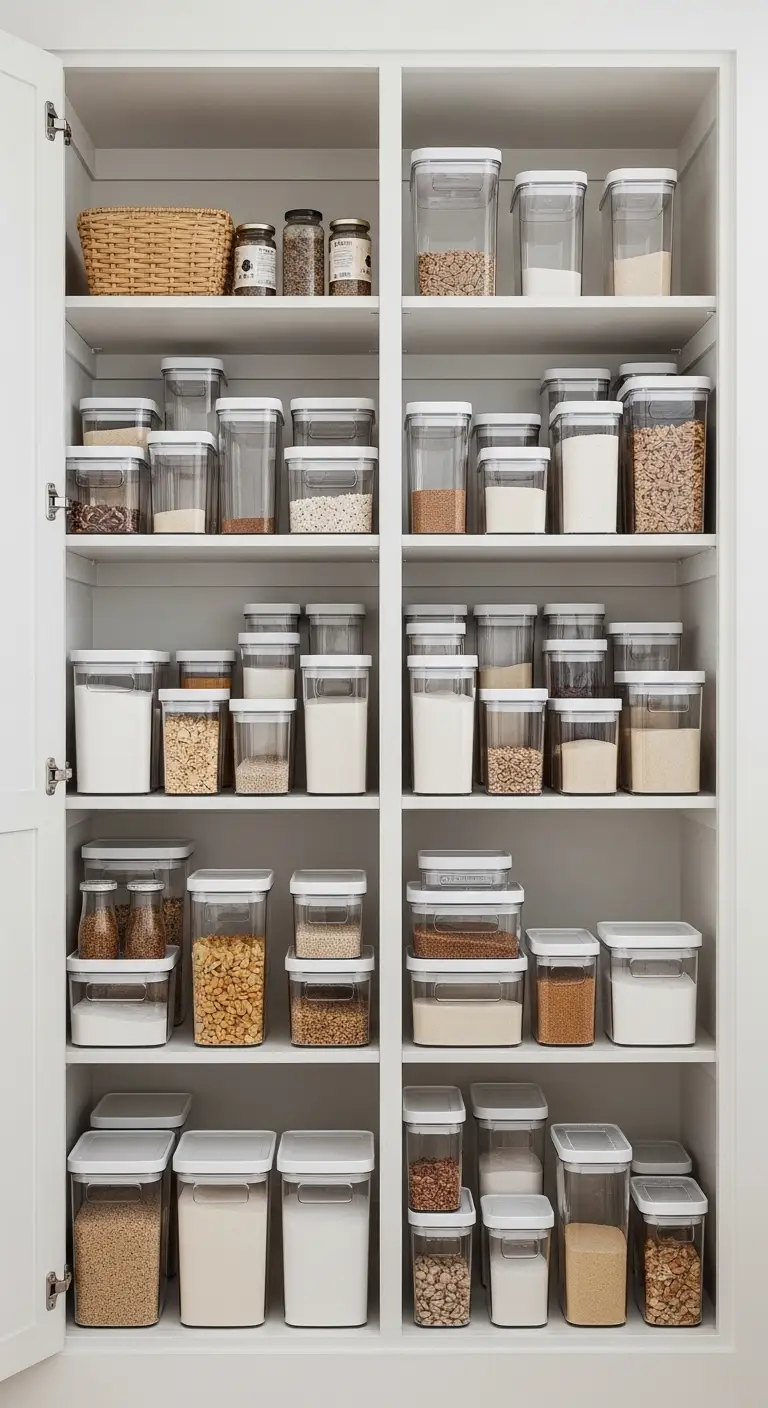
Bulk storage zones play an important role in DIY pantry organization by helping households manage large quantities of essential ingredients efficiently.
These dedicated spaces improve pantry storage planning by separating long-term supplies from everyday cooking items for better organization clarity.
This system enhances kitchen organization by reducing frequent shopping trips and ensuring essential ingredients remain consistently available when needed.
Proper zoning also helps track inventory levels more easily, which supports better budgeting and reduced food waste over time.
By organizing bulk items effectively, households create a more sustainable and cost-efficient pantry system that supports long-term food management.
Snack Stations for Family-Friendly DIY Pantry Organization
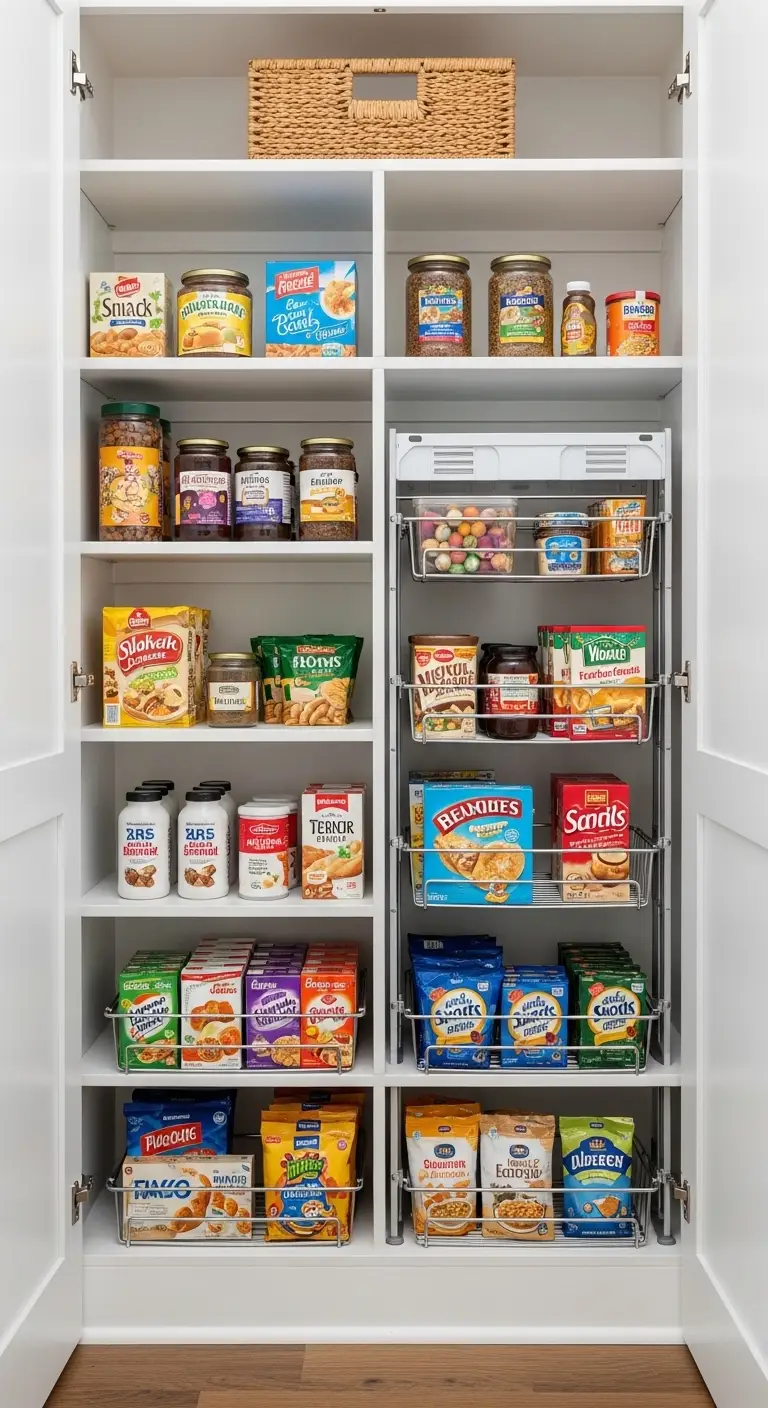
Snack stations improve diy pantry organization by creating a dedicated zone that keeps ready-to-eat items neatly grouped for all family members.
This setup enhances pantry storage efficiency because users can quickly access snacks without disturbing other carefully arranged kitchen organization sections.
Parents benefit from better control because clearly defined snack areas help manage portions and reduce unnecessary overconsumption during daily routines.
Overall, snack stations create a balanced system that supports convenience, structure, and long-term pantry organization stability in busy households effectively.
Seasonal Rotation Strategy
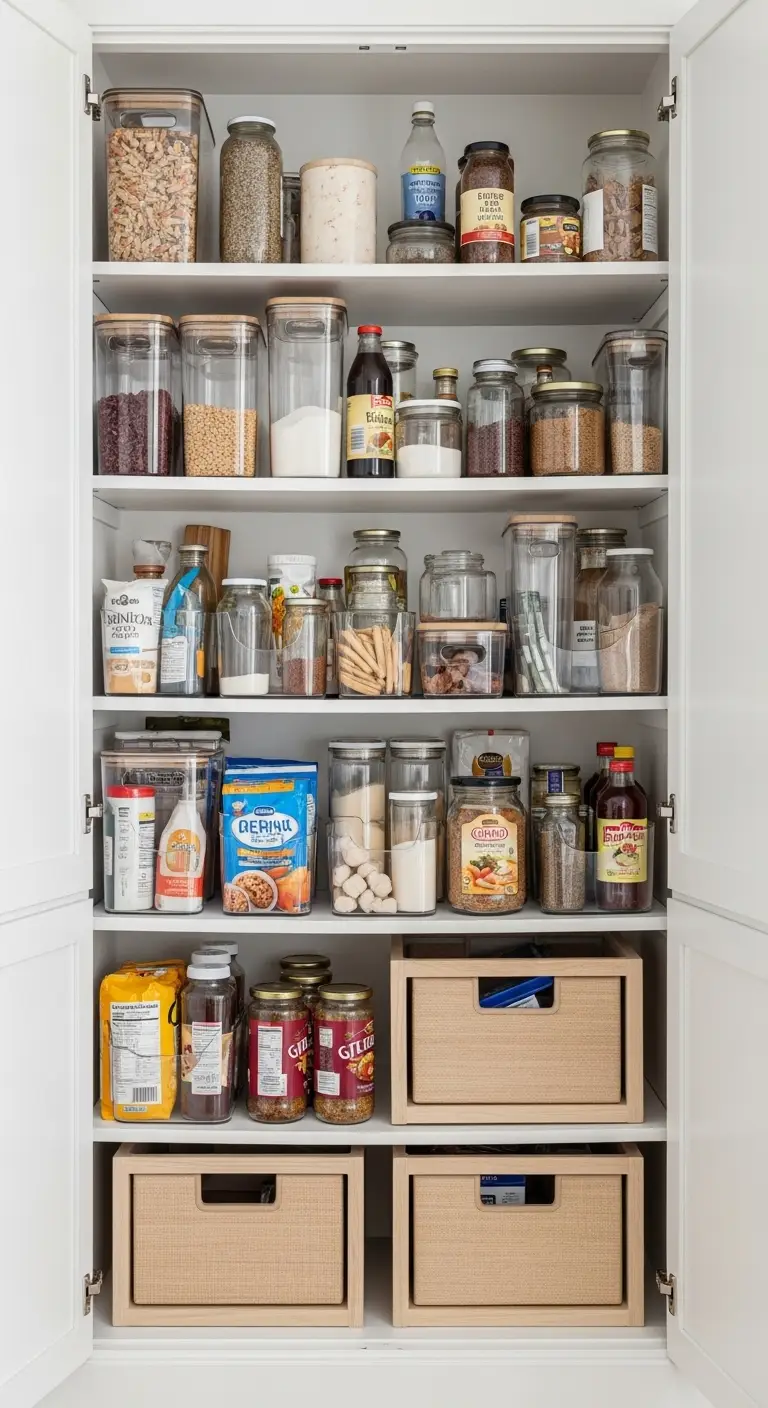
Seasonal rotation strengthens diy pantry organization by ensuring ingredients match changing cooking habits throughout different times of the year.
This method improves pantry storage efficiency by placing seasonal ingredients in accessible zones while storing off-season items in secondary locations.
Homeowners gain better kitchen organization because they reduce clutter and maintain only relevant ingredients within easy reach during each season.
Rotation also prevents food waste by encouraging timely usage of older items before newer stock becomes the primary focus.
By following this system consistently, households maintain a flexible and efficient pantry that adapts smoothly to changing dietary needs.
Smart QR Labeling Systems
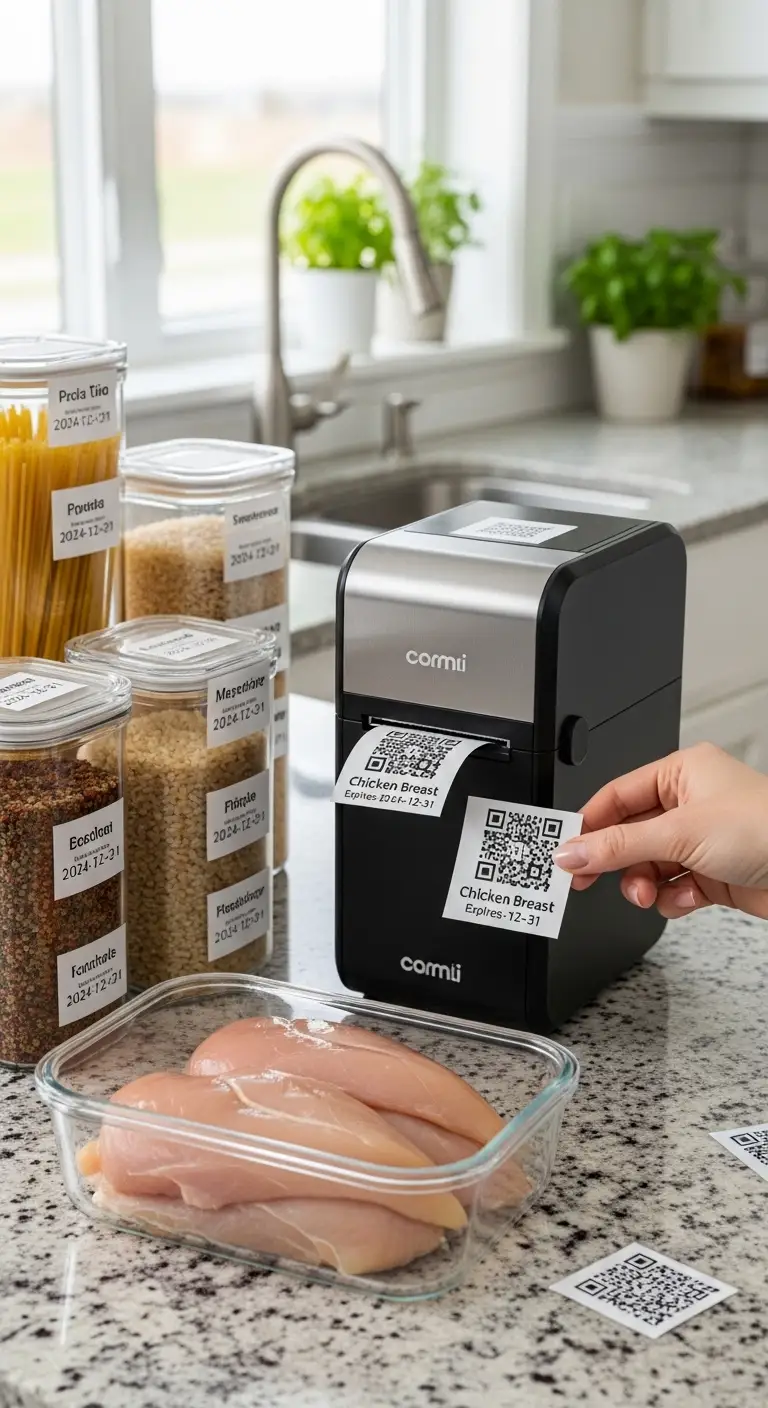
Smart QR labeling systems elevate diy pantry organization by introducing digital tracking that improves accuracy and inventory management across all storage zones.
Users can scan codes to check ingredient details, expiration dates, and stock levels, which enhances pantry storage efficiency significantly.
This modern approach strengthens kitchen organization by reducing guesswork and making it easier to monitor household food supplies in real time.
QR systems also support grocery planning because users can quickly identify what needs restocking before shopping trips.
Overall, this technology-driven method creates a smarter and more connected pantry system that improves long-term organization performance.
Daily Reset Routine System
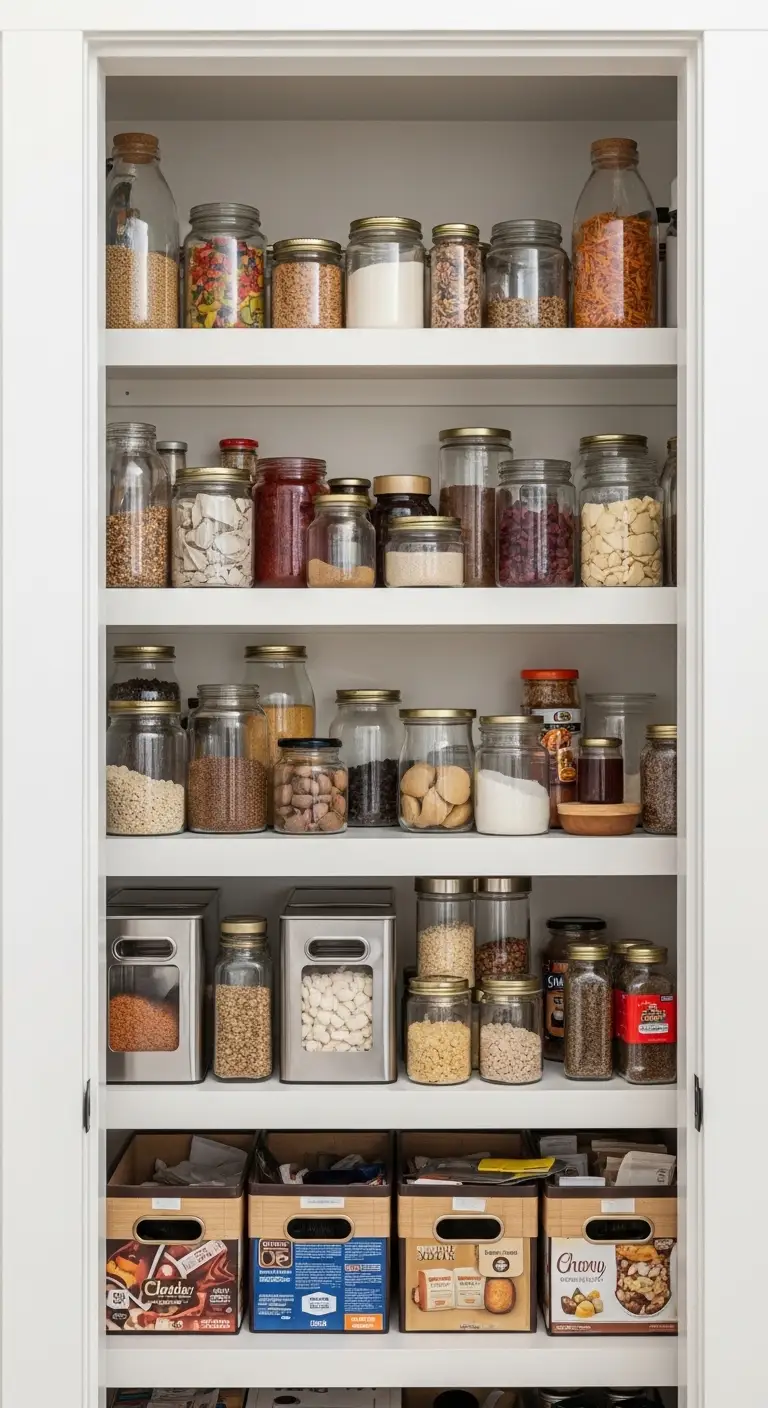
A daily reset routine improves diy pantry organization by encouraging small but consistent actions that maintain order and prevent clutter buildup.
This system enhances pantry storage stability because users return items to designated spaces immediately after cooking or meal preparation tasks.
Kitchen organization becomes easier when households spend just a few minutes each day restoring visual balance and checking misplaced items.
Regular resets also help identify low-stock ingredients early, allowing better planning and smoother grocery management throughout the week.
By adopting this habit, families maintain a clean, functional, and stress-free pantry environment without requiring major cleaning efforts.
Hanging and Under-Shelf Utilization Systems for Extra Space
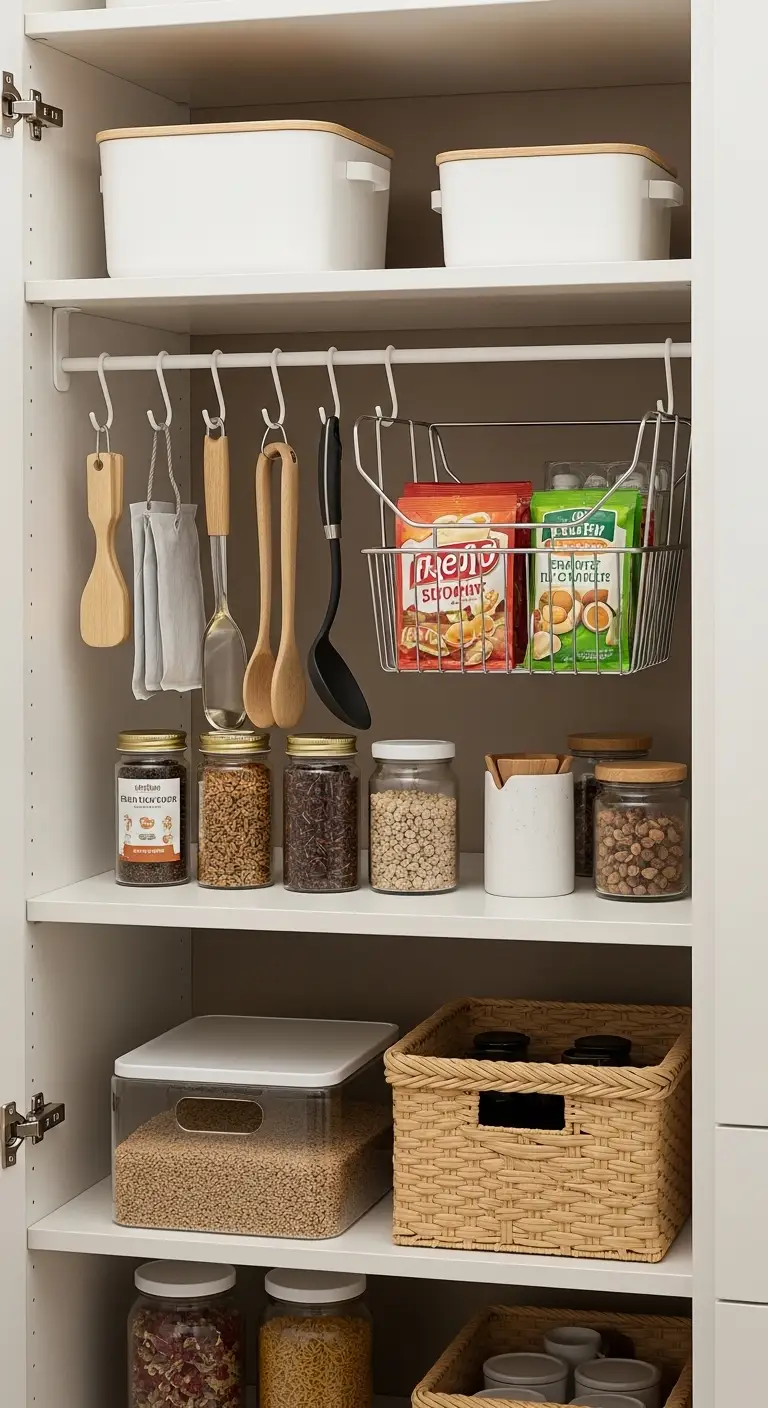
Hanging and under-shelf systems enhance diy pantry organization by unlocking hidden storage potential within existing shelving structures and cabinet designs.
These additions improve pantry storage efficiency by creating space for lightweight items such as packets, utensils, or small kitchen tools.
Users benefit from improved kitchen organization because frequently used items remain visible and accessible without occupying valuable shelf surfaces.
Under-shelf hooks also help reduce clutter by separating smaller items from bulk storage zones effectively and neatly.
Overall, this solution maximizes unused areas and transforms compact pantries into highly functional and organized storage environments.
Common Pantry Layout Mistakes to Avoid
Avoiding common layout mistakes is essential for maintaining effective diy pantry organization and ensuring long-term storage efficiency in every household.
Many people overcrowd shelves, which reduces accessibility and makes it harder to maintain structured pantry storage systems over time consistently.
Poor zoning often leads to confusion, causing users to mix unrelated items and disrupt overall kitchen organization flow significantly.
Another mistake involves ignoring vertical space, which limits storage capacity and creates unnecessary clutter in already small pantry areas.
By avoiding these errors, households create a more balanced, functional, and sustainable pantry system that supports daily cooking needs.
Smart Grocery Planning for Better Pantry Organization
Smart grocery planning directly improves diy pantry organization by ensuring households only purchase items that fit existing storage systems efficiently.
Planning meals in advance helps reduce unnecessary pantry storage overload and prevents duplicate purchases that often lead to wasted space.
Better planning also strengthens kitchen organization by aligning shopping habits with actual usage patterns and dietary needs throughout the week.
Creating shopping lists based on categorized pantry zones helps maintain structure and improves long-term inventory control across all food groups.
This approach builds a more intentional and efficient kitchen system that supports both budgeting and organized living consistently.
Final Wrap-Up
Effective diy pantry organization relies on combining structured systems, consistent habits, and adaptable storage solutions that evolve with household needs over time.
Each strategy improves pantry storage efficiency while creating a more visually balanced and functional kitchen environment for daily use.
Strong kitchen organization depends on maintaining clear categories, using smart containers, and applying rotation systems for long-term stability.
When these methods work together, households experience reduced clutter, faster meal preparation, and better control over food management systems.
Ultimately, these techniques create a sustainable pantry system that supports convenience, efficiency, and lasting organizational success in everyday life.