
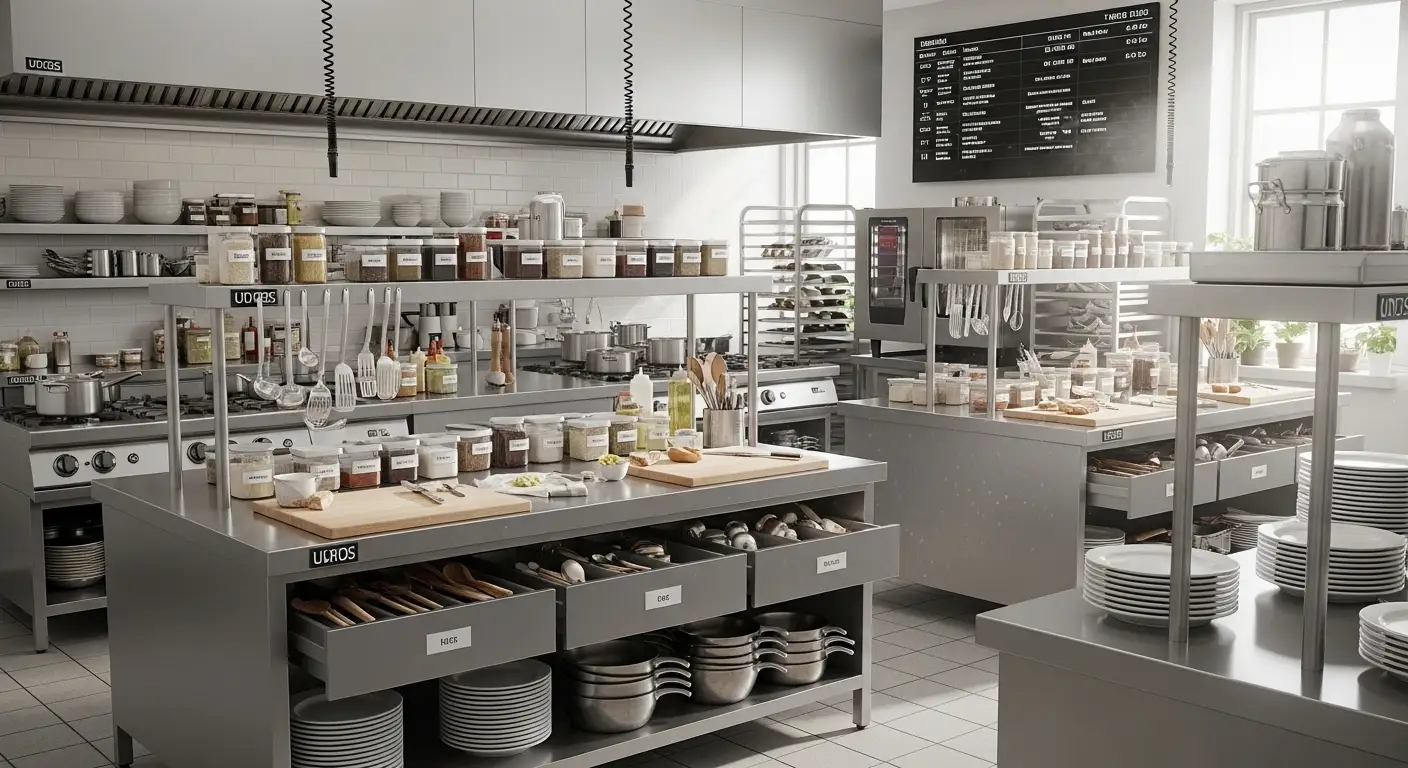
Commercial Kitchen Organization Ideas: 13 Smart Tips
A well-organized kitchen is the secret behind every successful restaurant. In this guide, we’re sharing practical commercial kitchen organization tips that will transform chaos into clean, efficient order.
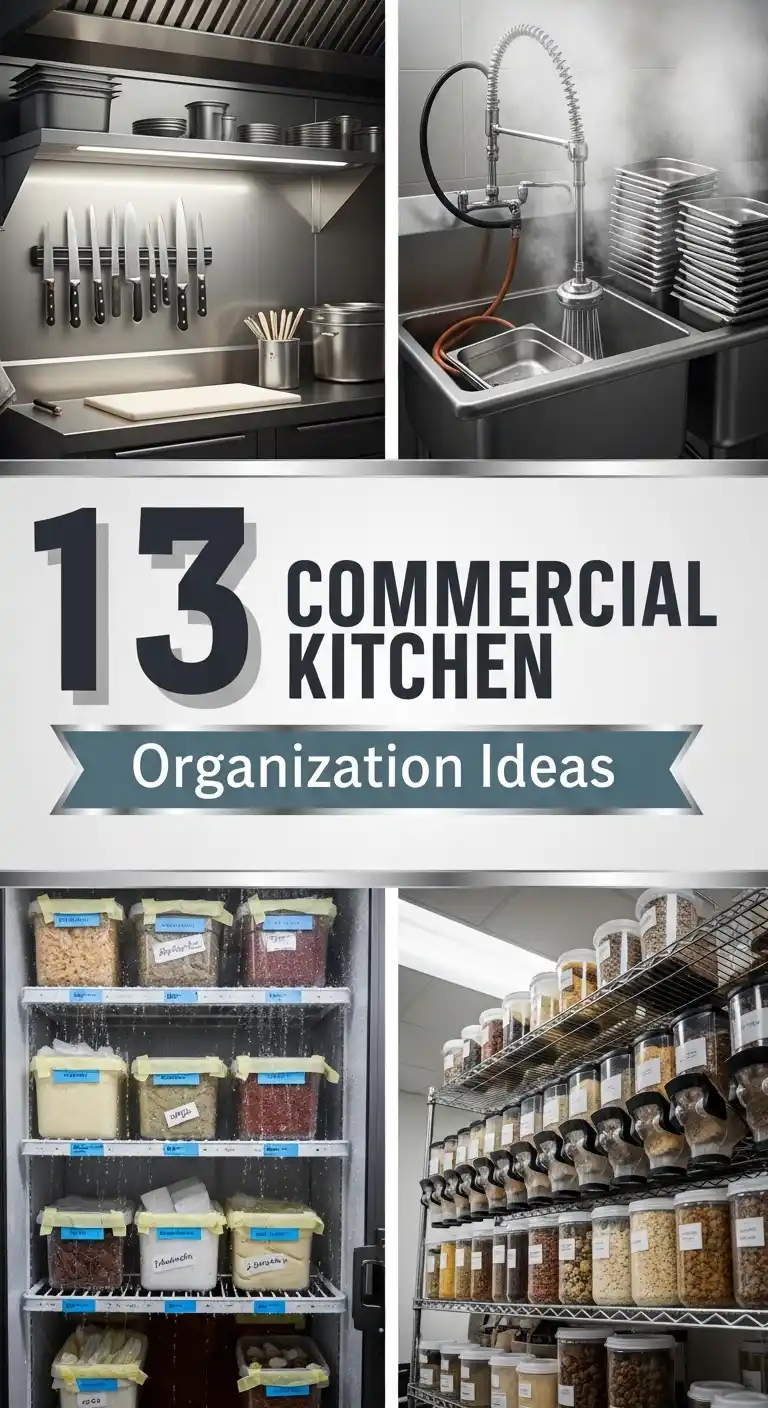
When I first stepped into a busy commercial kitchen during a dinner rush, I was struck by the chaos—misplaced tools, rushed calls for missing ingredients, and constant movement that felt unorganized despite the team’s skill.
It quickly became clear that in a commercial kitchen, organization matters just as much as cooking. Even small delays caused by poor layout can slow down every order.
With better systems like labeled storage, clear prep zones, and organized pathways, the same kitchen can become faster, calmer, and far more efficient.
In this article, I’ll share simple, practical ways to improve commercial kitchen organization and create a smoother workflow for any busy food environment.
Why Structured Kitchen Layouts Improve Efficiency and Safety
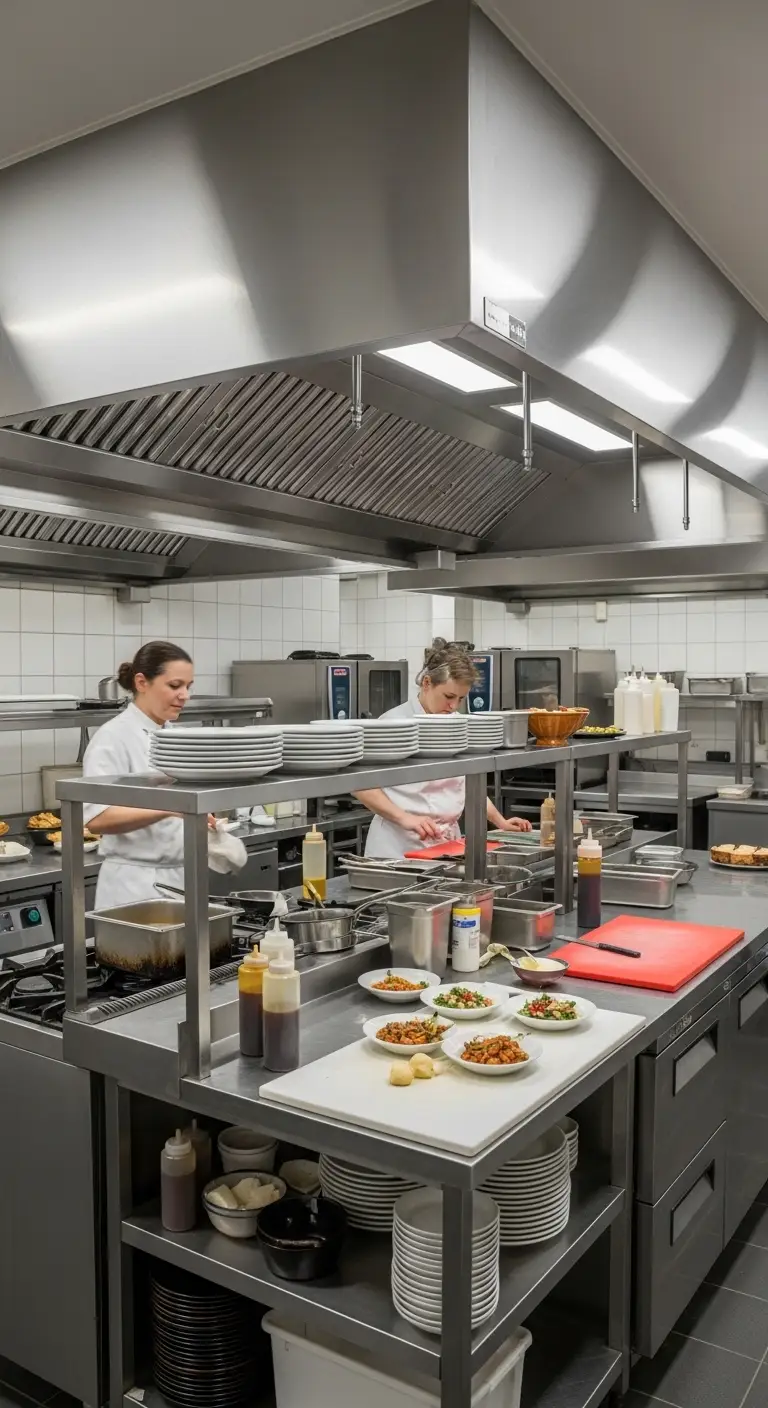
Structured kitchen layouts ensure every workstation follows a logical flow that minimizes unnecessary movement during food preparation tasks.
When commercial kitchen organization improves layout design, staff coordinate better and complete tasks more efficiently during peak service hours.
Clear separation between cooking, preparation, and cleaning areas reduces contamination risks and supports higher hygiene standards throughout operations.
A well planned layout ultimately improves productivity, reduces stress, and maintains consistent food quality across busy service periods.
Essential Storage Planning for Ingredient Accessibility and Waste Reduction
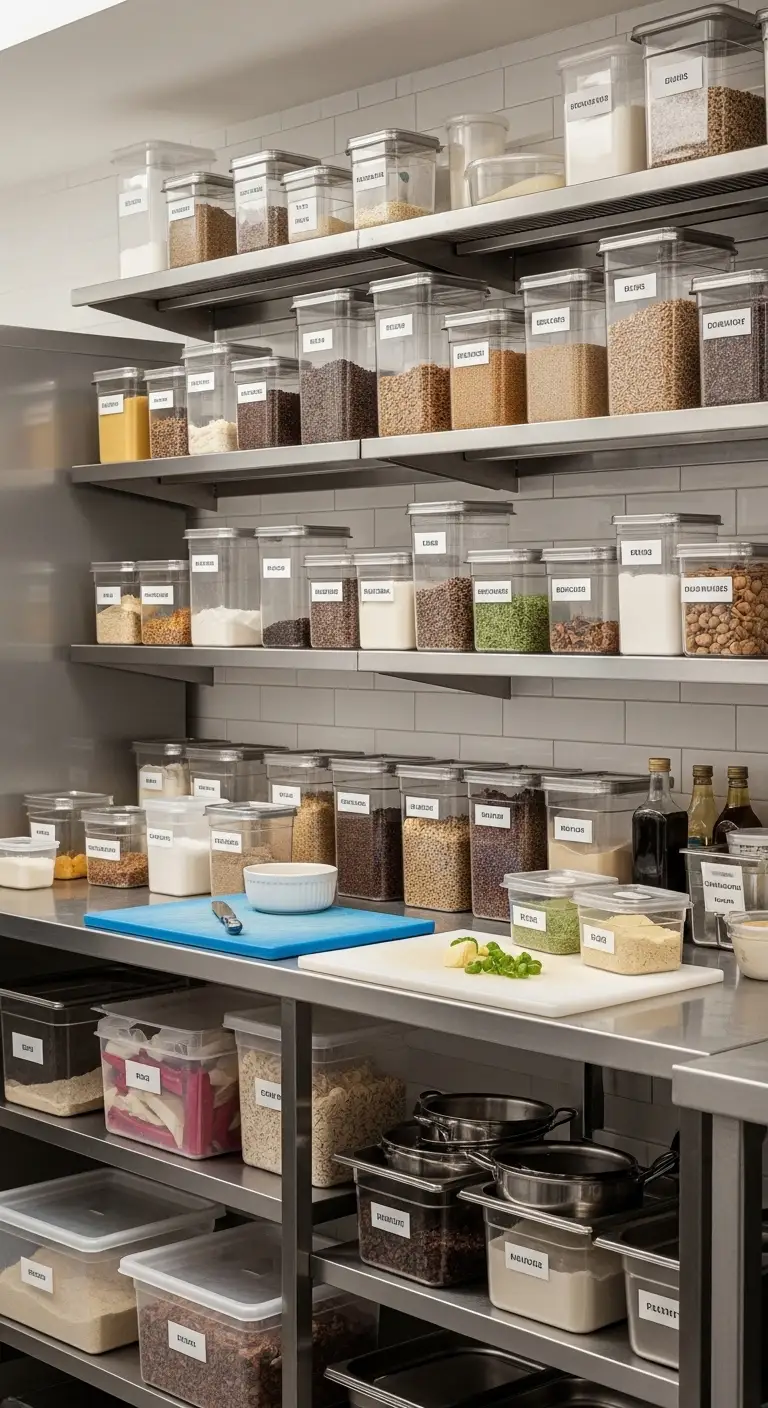
Efficient storage planning plays a critical role in commercial kitchen organization by improving ingredient accessibility and reducing waste levels.
Labelled containers and organized shelving systems help staff quickly locate ingredients without wasting valuable preparation time during operations.
Proper categorization of ingredients ensures smoother workflow and reduces confusion when multiple chefs work simultaneously in busy kitchens.
Strategic storage placement also keeps frequently used items within reach, improving efficiency and maintaining consistent kitchen performance daily.
Smart Inventory Tracking Systems for Better Control and Reduced Losses
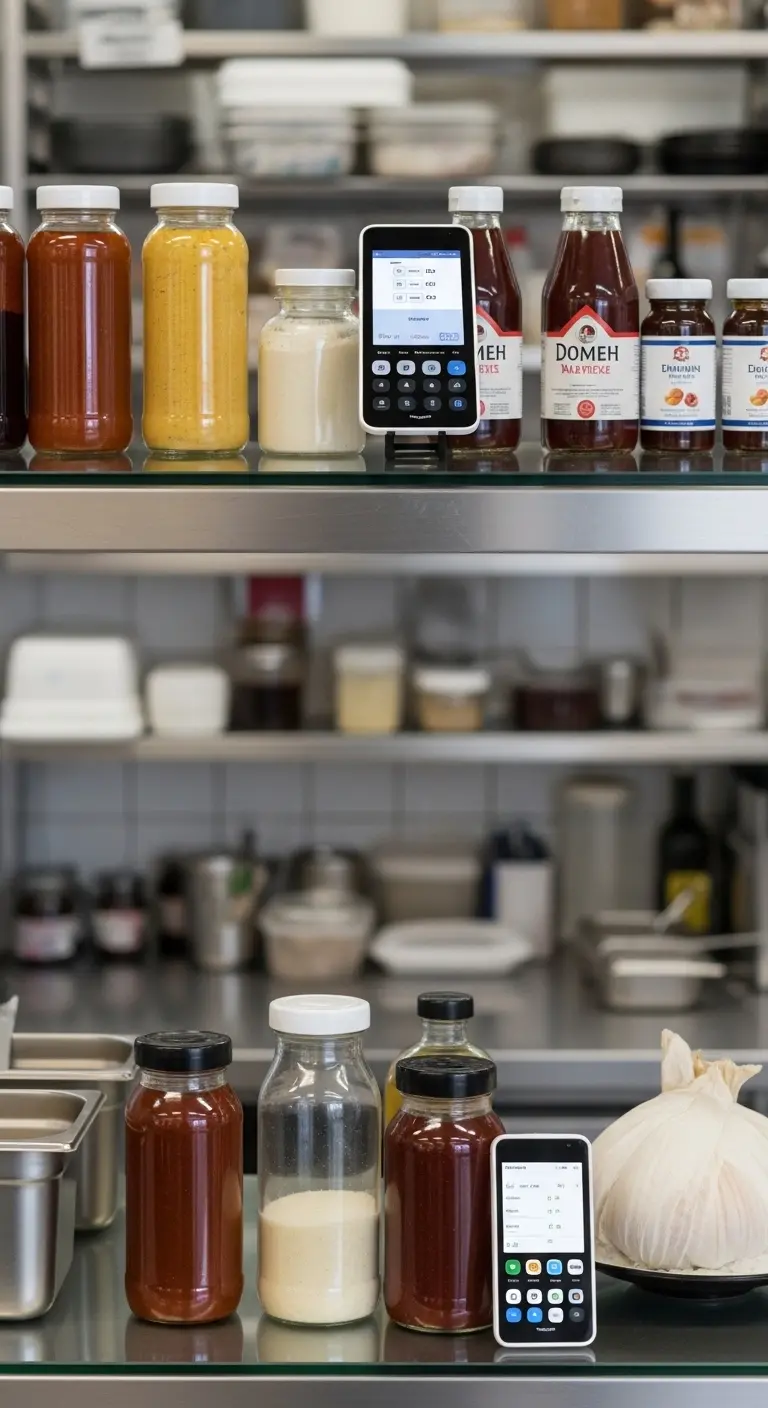
Modern kitchens rely on inventory tracking systems that help maintain accurate stock levels and prevent unexpected ingredient shortages.
Effective commercial kitchen organization includes regular stock audits that identify overstocked items before they expire or become wasted.
Digital tracking tools help managers make better purchasing decisions that reduce unnecessary costs and improve budget control.
Accurate inventory management ensures smooth kitchen operations and consistent menu availability during peak service hours.
13 Commercial Kitchen Organization Ideas
Zone Based Cooking Stations for Streamlined Workflow Efficiency
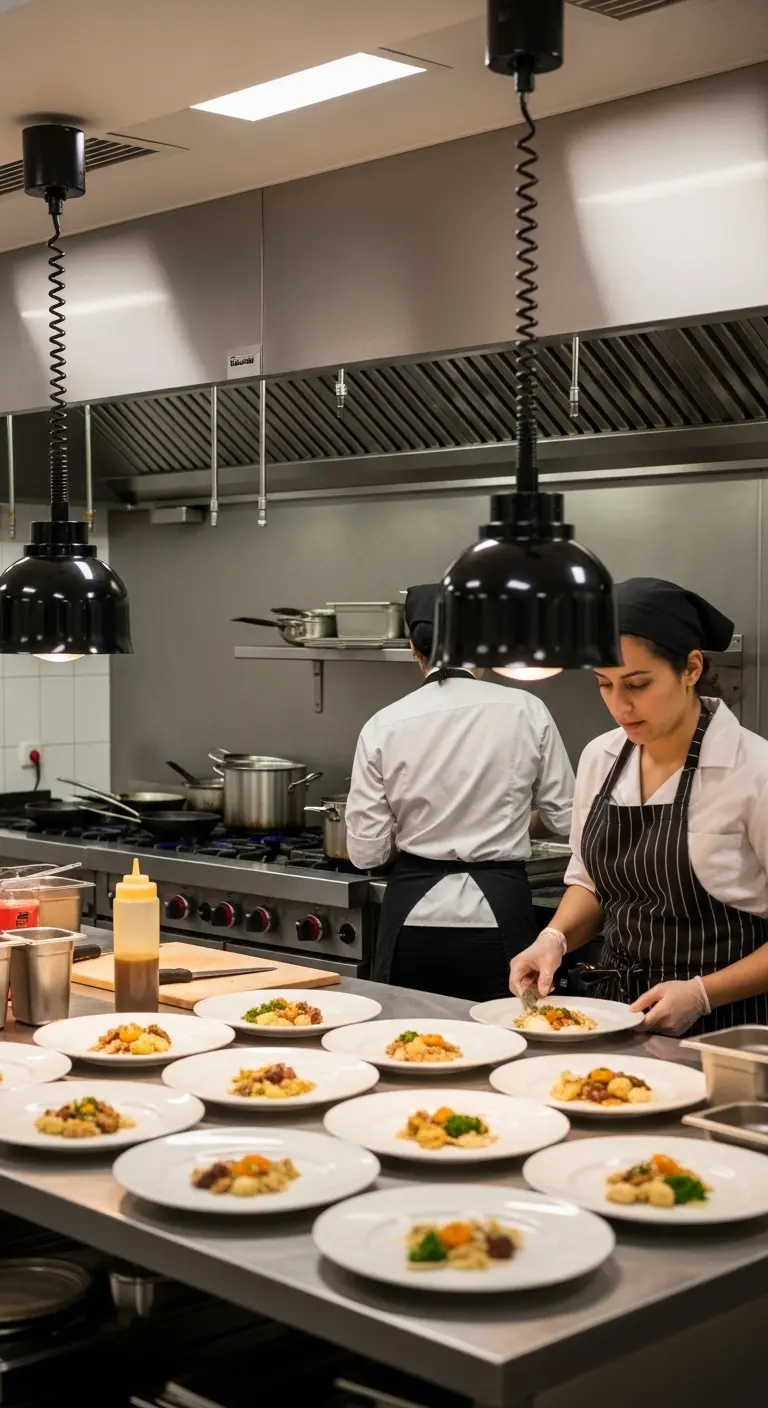
Zone based cooking stations form the backbone of effective commercial kitchen organization by dividing workspace into clear functional areas.
Each zone handles specific tasks such as preparation, cooking, plating, or cleaning to reduce confusion during service hours.
This structured approach helps staff focus on assigned responsibilities without interfering with other kitchen operations.
Proper zoning improves speed, reduces accidents, and ensures better coordination among team members during busy shifts.
Managers can assign clear workflows within each station, which increases accountability and improves overall kitchen discipline.
Well organized zones ultimately enhance productivity and support consistent food quality across all service periods efficiently.
Vertical Storage Systems to Maximize Limited Kitchen Space
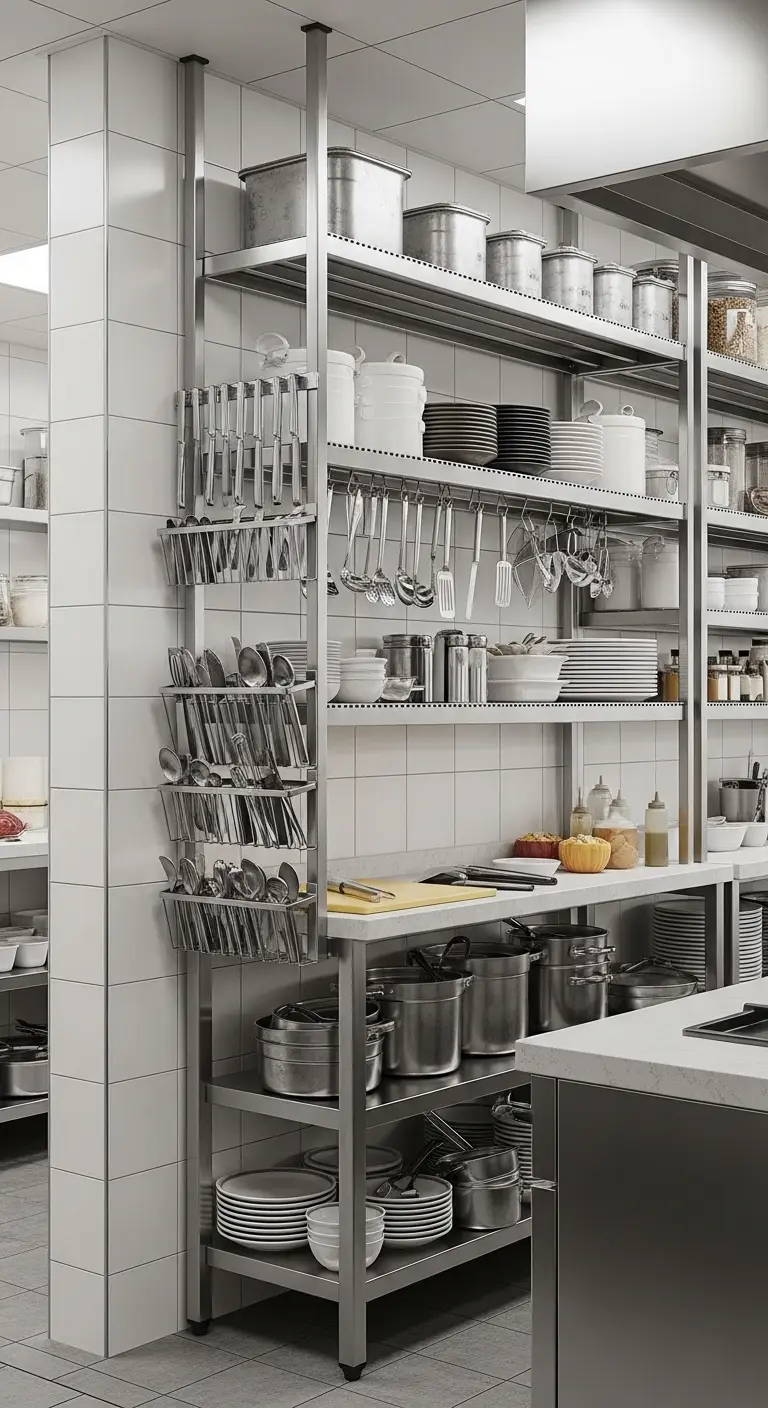
Vertical storage systems maximize commercial kitchen organization by using wall space instead of overcrowding floor areas.
Tall shelving units and hanging racks allow kitchens to store utensils, cookware, and dry ingredients efficiently.
This method keeps work surfaces clear, improving safety and allowing staff to move freely during operations.
Proper vertical organization reduces clutter and ensures essential tools remain easily accessible at all times.
Kitchen managers can install adjustable shelves to accommodate changing inventory requirements and seasonal menu variations.
Overall vertical storage improves workflow efficiency and supports cleaner more organized commercial kitchen environments consistently.
It also helps reduce unnecessary movement and improves time management across busy kitchen operations significantly.
Color Coded Labeling for Faster Ingredient Identification
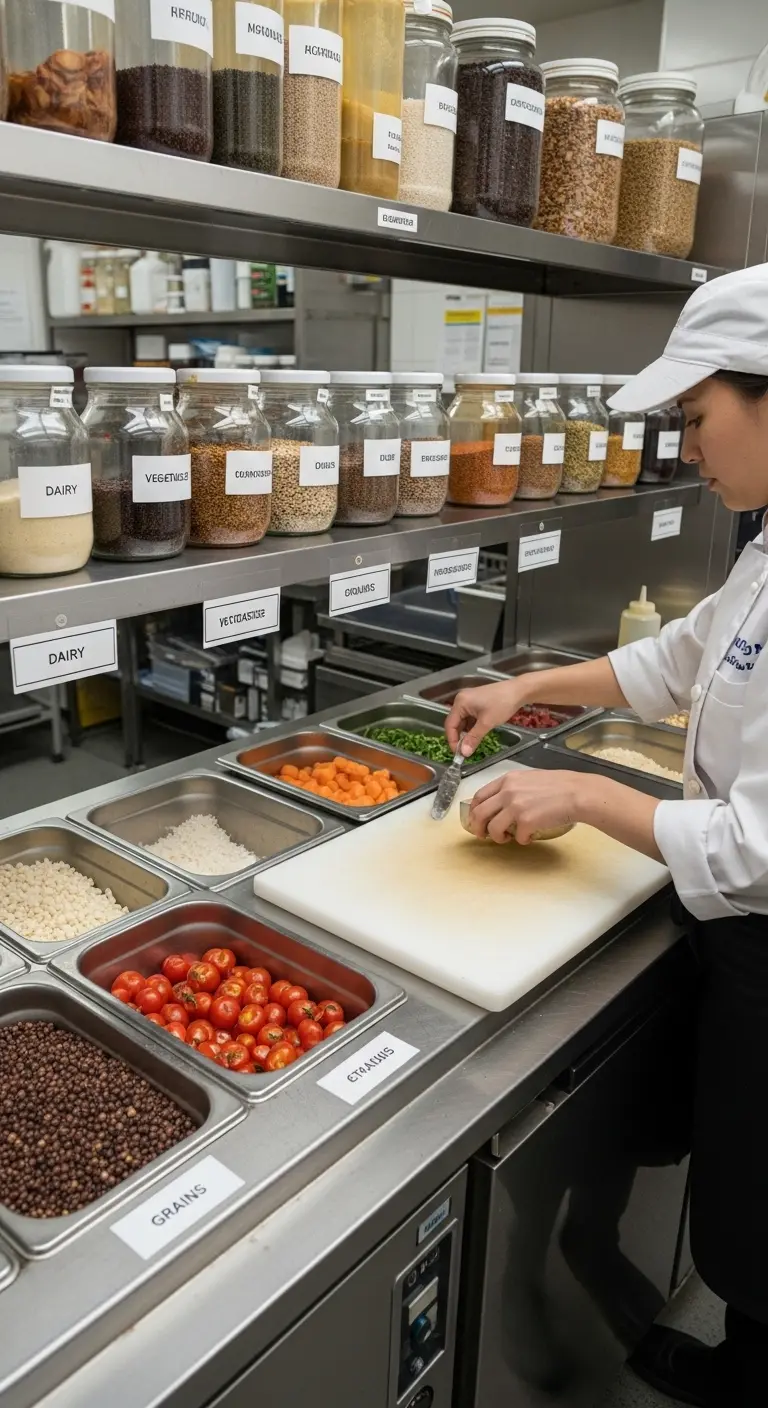
Color coded labeling improves commercial kitchen organization by simplifying ingredient identification and reducing preparation mistakes.
Assigning specific colors to food categories such as dairy, vegetables, and grains helps staff work faster.
This system reduces confusion during peak hours when multiple chefs handle different tasks simultaneously in busy environments.
Clear labeling also supports hygiene standards by maintaining strict separation between different food storage categories.
Kitchen staff can quickly locate ingredients, which improves efficiency and reduces delays in food preparation workflows.
Managers should regularly update labels to ensure accuracy and maintain consistent commercial kitchen organization practices.
This also helps prevent cross contamination risks across all storage areas and improves overall kitchen safety standards significantly.
FIFO Method Implementation for Fresh Ingredient Usage
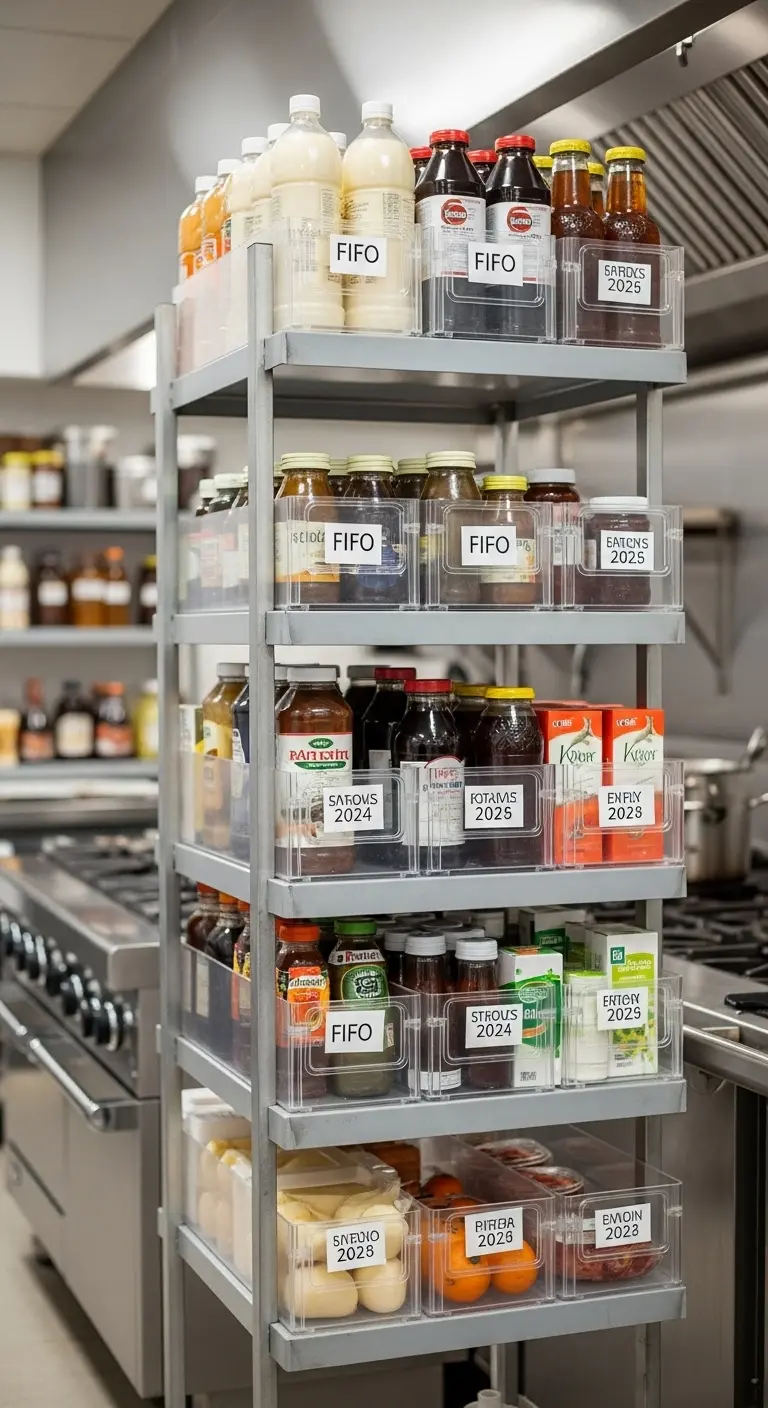
FIFO method strengthens commercial kitchen organization by ensuring staff use older ingredients before newer stock consistently.
This system reduces food spoilage and helps kitchens maintain high quality standards across all prepared dishes.
Kitchen staff should always place newly delivered ingredients behind existing stock to maintain proper rotation flow.
Clear date labeling helps employees quickly identify which items require immediate use during busy service hours.
Managers can train teams to follow FIFO discipline strictly, which improves consistency and reduces unnecessary waste.
This approach also helps control costs by maximizing ingredient usage before expiration dates arrive.
Proper FIFO implementation supports smoother operations and ensures better food safety compliance across kitchen environments.
Dedicated Cleaning Stations for Hygiene Maintenance
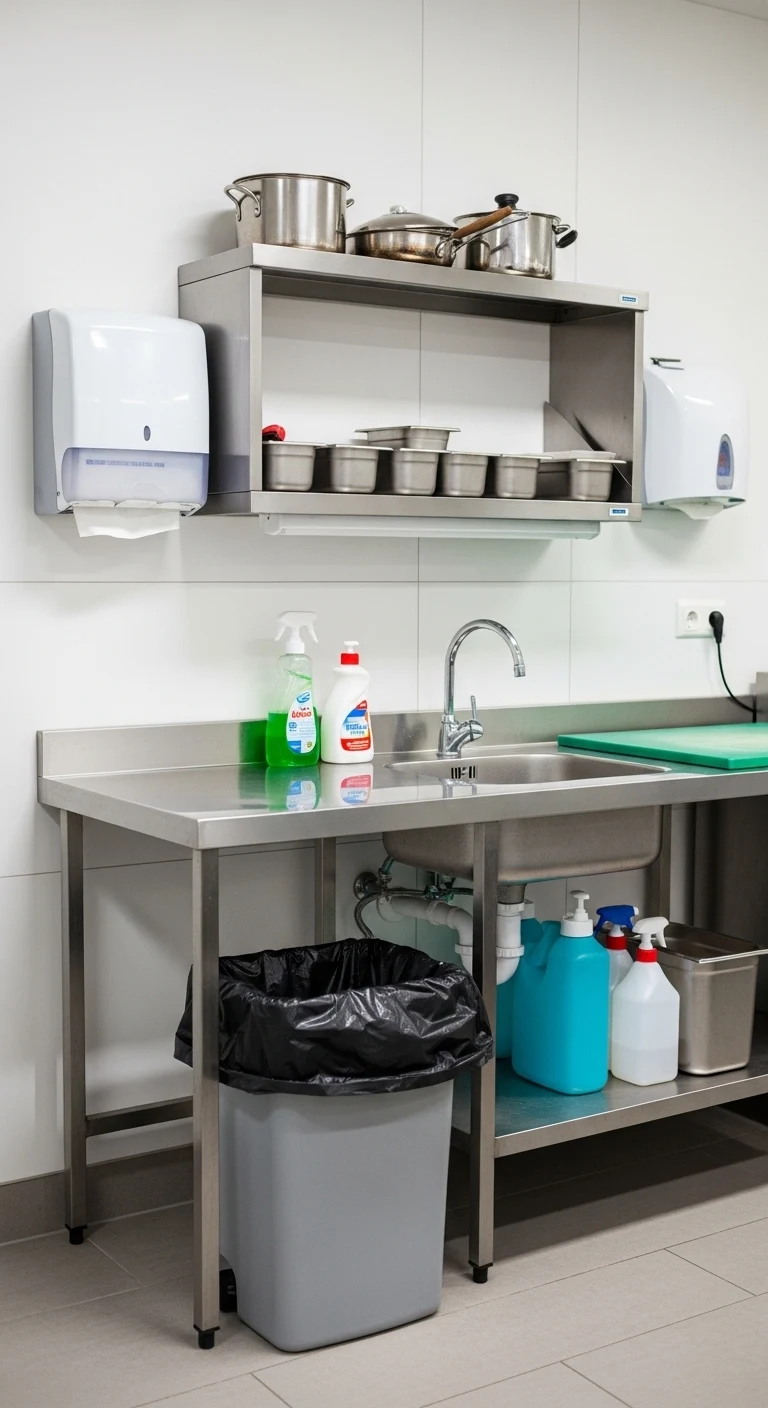
Dedicated cleaning stations improve commercial kitchen organization by separating sanitation tasks from food preparation areas effectively.
These stations include sinks, disinfectants, and waste bins placed in accessible locations for quick cleaning response.
Staff can maintain hygiene standards without interrupting cooking workflows or slowing down service during peak hours.
A clearly defined cleaning zone reduces contamination risks and supports compliance with strict food safety regulations.
Kitchen managers should assign regular cleaning responsibilities to ensure consistent hygiene practices throughout operations.
Proper station placement also encourages staff accountability and faster cleanup between preparation cycles.
This system ultimately improves workplace safety and maintains a cleaner, more efficient kitchen environment daily.
Mobile Prep Tables for Flexible Workspace Management
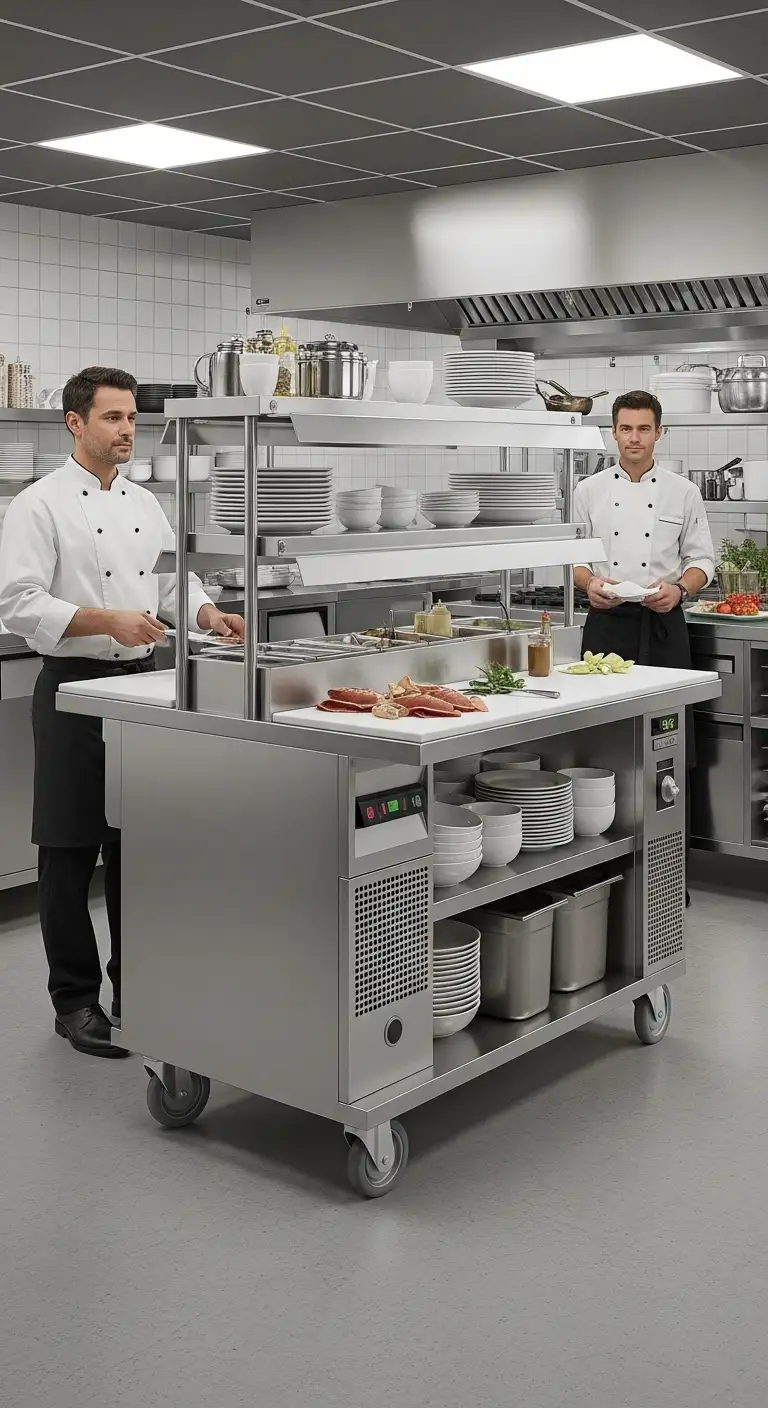
Mobile prep tables enhance commercial kitchen organization by allowing flexible adjustment of kitchen layouts based on demand.
These movable stations help chefs shift preparation areas closer to cooking zones during high volume service periods.
This flexibility reduces unnecessary walking time and improves overall workflow efficiency in fast paced kitchen environments.
Staff can reposition tables quickly to support different menu requirements or special event preparations.
Managers benefit from improved space utilization and better control over dynamic kitchen operations throughout the day.
Mobile tables also support better teamwork by allowing shared access to preparation surfaces when needed.
Overall, this adaptability improves speed, coordination, and productivity across all kitchen stations consistently.
Smart Refrigeration Zoning for Ingredient Preservation
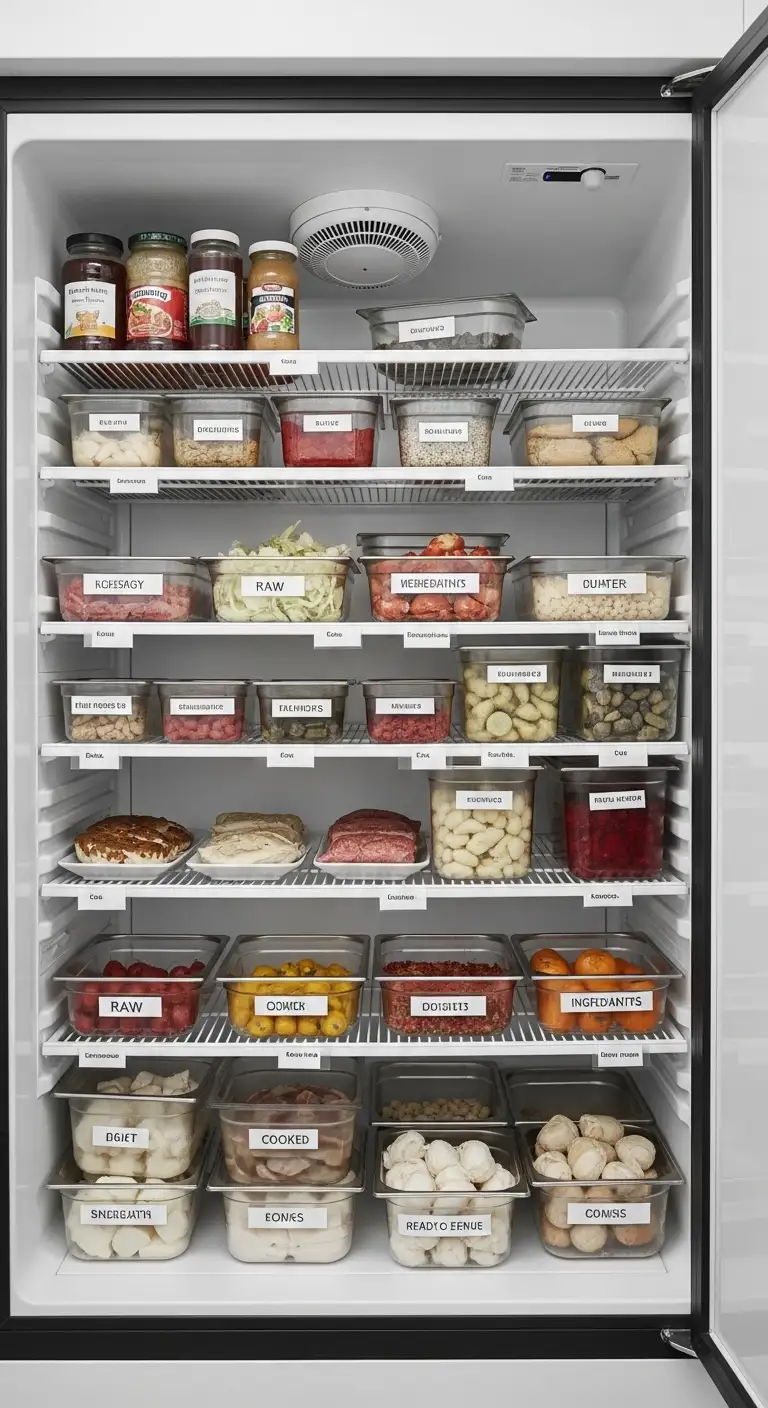
Smart refrigeration zoning improves commercial kitchen organization by separating ingredients based on safety and storage requirements.
Raw foods, cooked items, and ready to serve ingredients must always stay in clearly designated refrigerator zones.
This separation prevents cross contamination and ensures strict compliance with food safety regulations in professional kitchens.
Clear labeling inside refrigeration units helps staff quickly identify items and reduce preparation delays during service.
Kitchen managers should regularly inspect refrigeration zones to ensure proper temperature control and organization standards.
This system also improves inventory management by making it easier to track ingredient usage and freshness levels.
Proper zoning ultimately protects food quality and ensures consistent operational efficiency across kitchen storage systems.
Ergonomic Tool Placement for Reduced Staff Fatigue
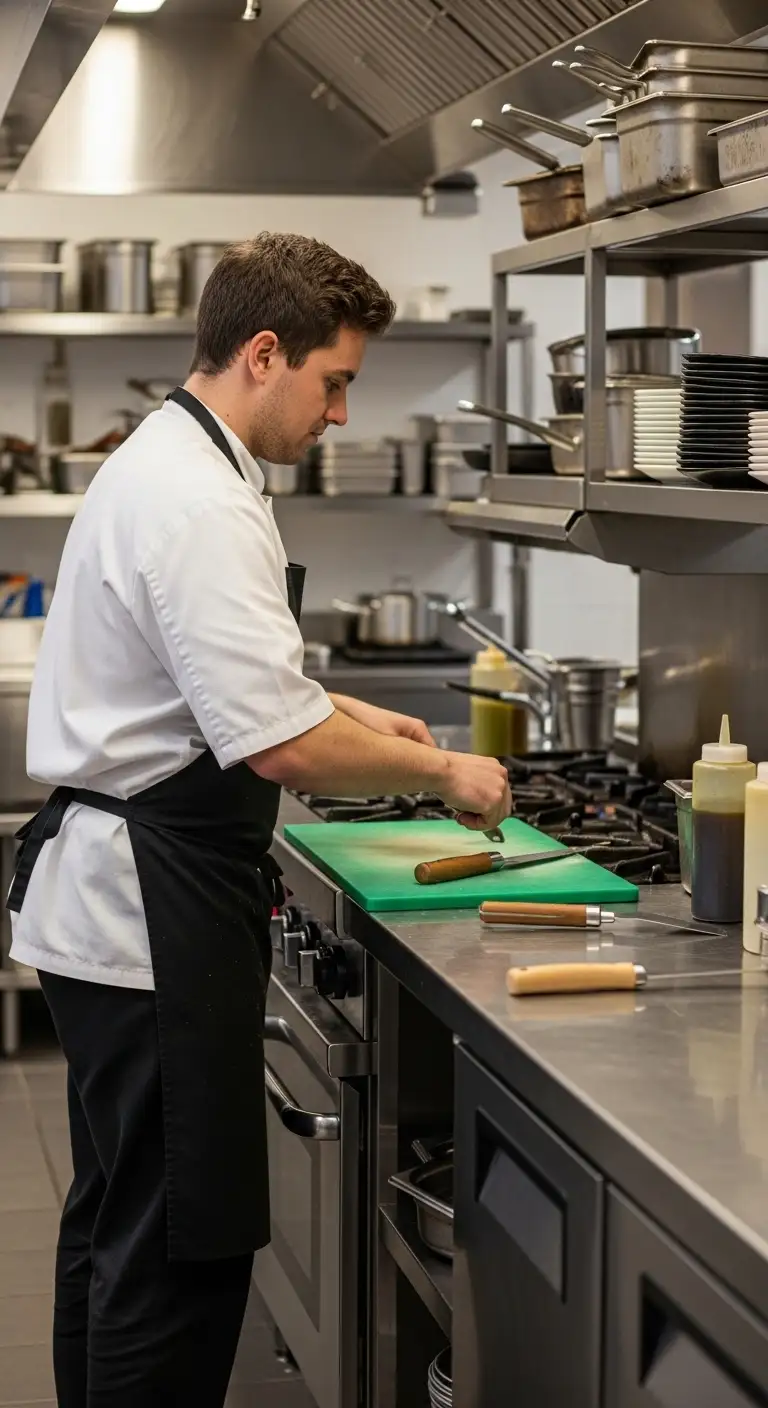
Ergonomic tool placement strengthens commercial kitchen organization by improving staff comfort and reducing physical strain during shifts.
Frequently used tools should remain within arm’s reach to minimize unnecessary bending or stretching movements.
This setup helps kitchen staff work faster while maintaining better posture and reducing fatigue over long hours.
Proper placement also reduces workplace injuries and improves overall safety in high pressure kitchen environments.
Managers should design workstation layouts based on task frequency and staff movement patterns for better efficiency.
Organized tool placement ensures smoother workflows and reduces time wasted searching for essential equipment.
This approach ultimately increases productivity while maintaining staff health and long term operational stability.
Dry Storage Optimization for Long Term Ingredient Management
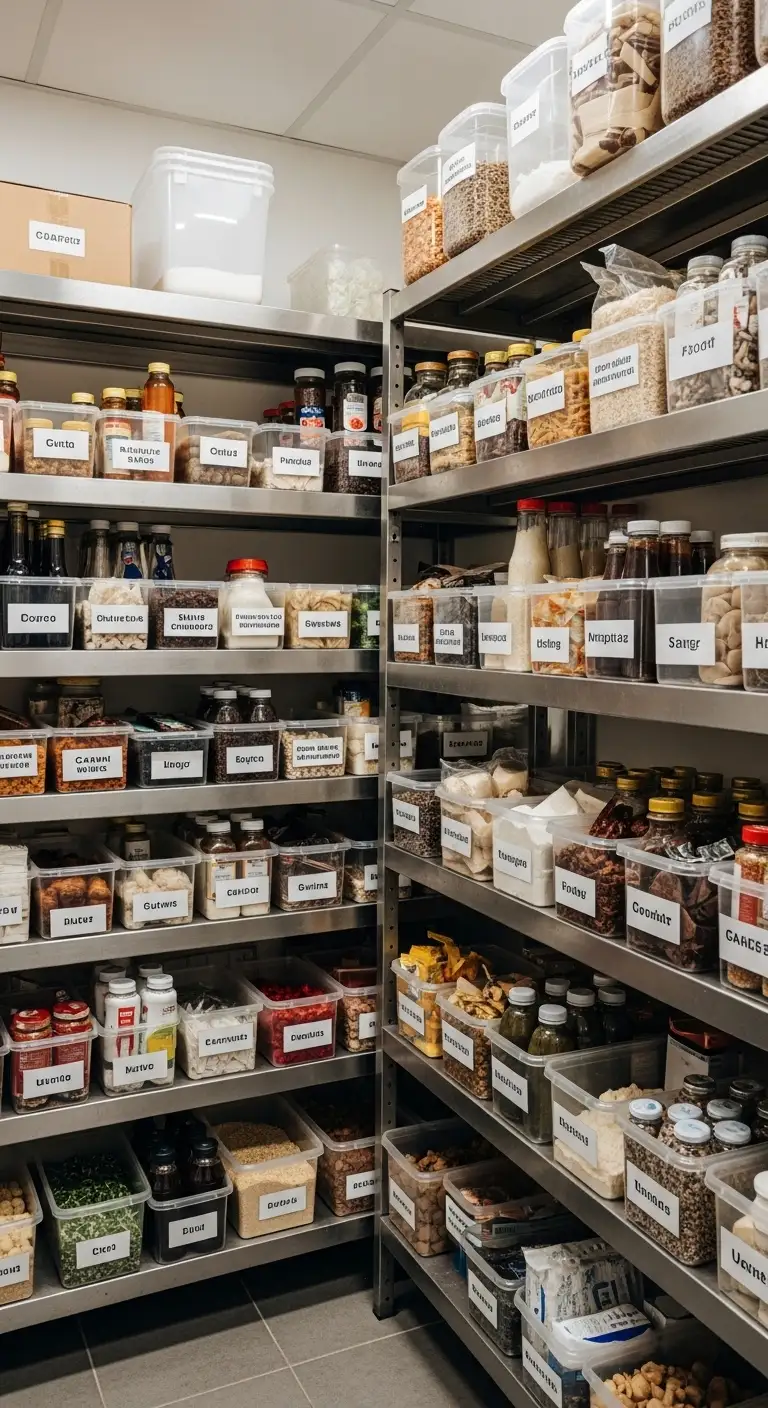
Dry storage optimization improves commercial kitchen organization by ensuring safe and structured storage of non perishable ingredients.
Proper shelving systems help maintain airflow and prevent moisture buildup that could damage stored food items.
Staff should organize ingredients based on category and usage frequency to improve accessibility during preparation tasks.
Clear labeling helps reduce confusion and speeds up ingredient retrieval in busy kitchen environments.
Kitchen managers should regularly inspect dry storage areas to maintain cleanliness and prevent pest issues.
Efficient organization also reduces waste by ensuring older stock is used before newer deliveries. This system improves long term inventory control and supports consistent kitchen performance across all operations.
Digital Kitchen Display Systems for Order Accuracy
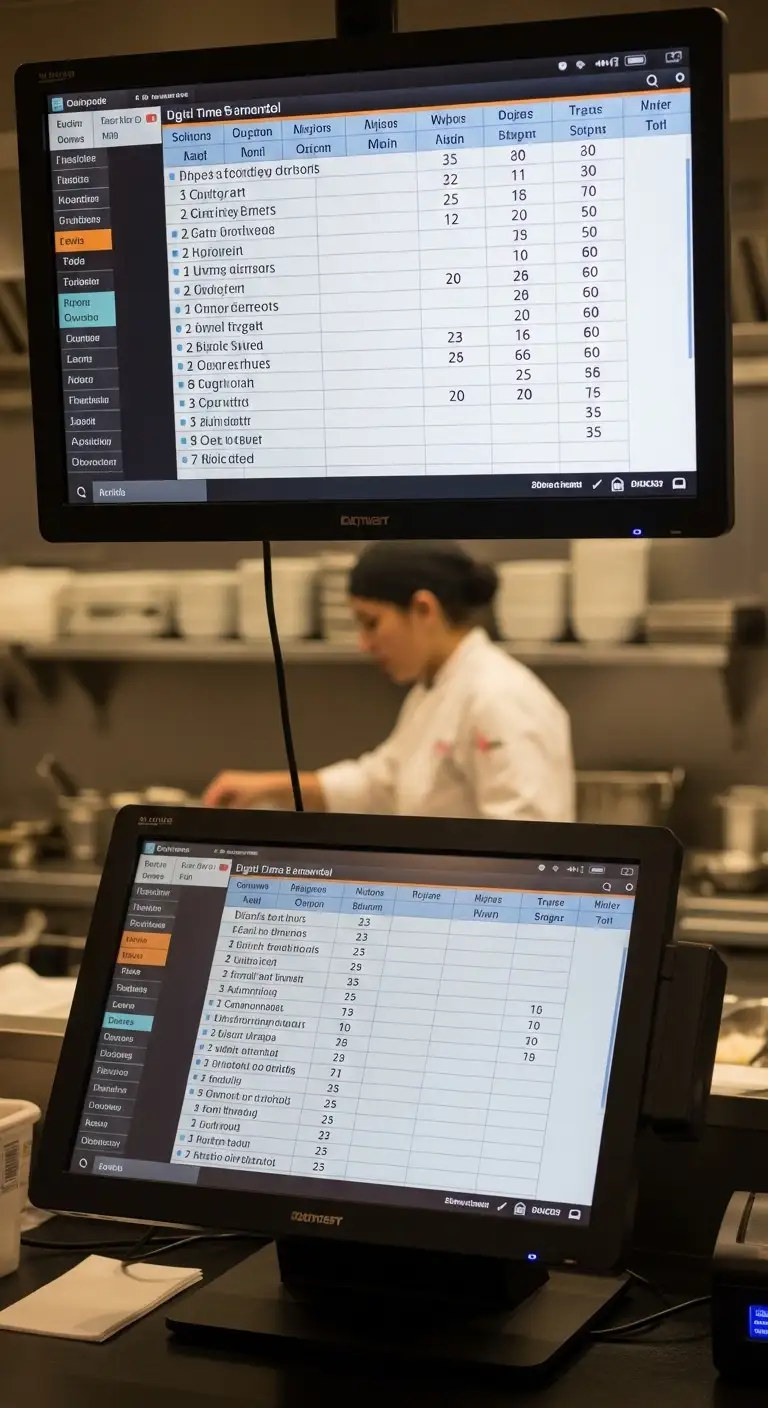
Digital kitchen display systems improve commercial kitchen organization by replacing handwritten orders with real time digital tracking.
These systems reduce communication errors between front of house and kitchen teams during peak service hours.
Staff can view orders instantly, which improves speed and reduces delays in food preparation workflows.
Digital displays also help prioritize urgent orders based on timing and customer demand levels efficiently.
Kitchen managers gain better visibility of order flow and can adjust staffing based on workload patterns.
This technology improves coordination between teams and enhances overall kitchen performance significantly.
It also increases order accuracy and ensures consistent service quality during busy restaurant operations.
Waste Segregation Systems for Sustainable Kitchen Practices
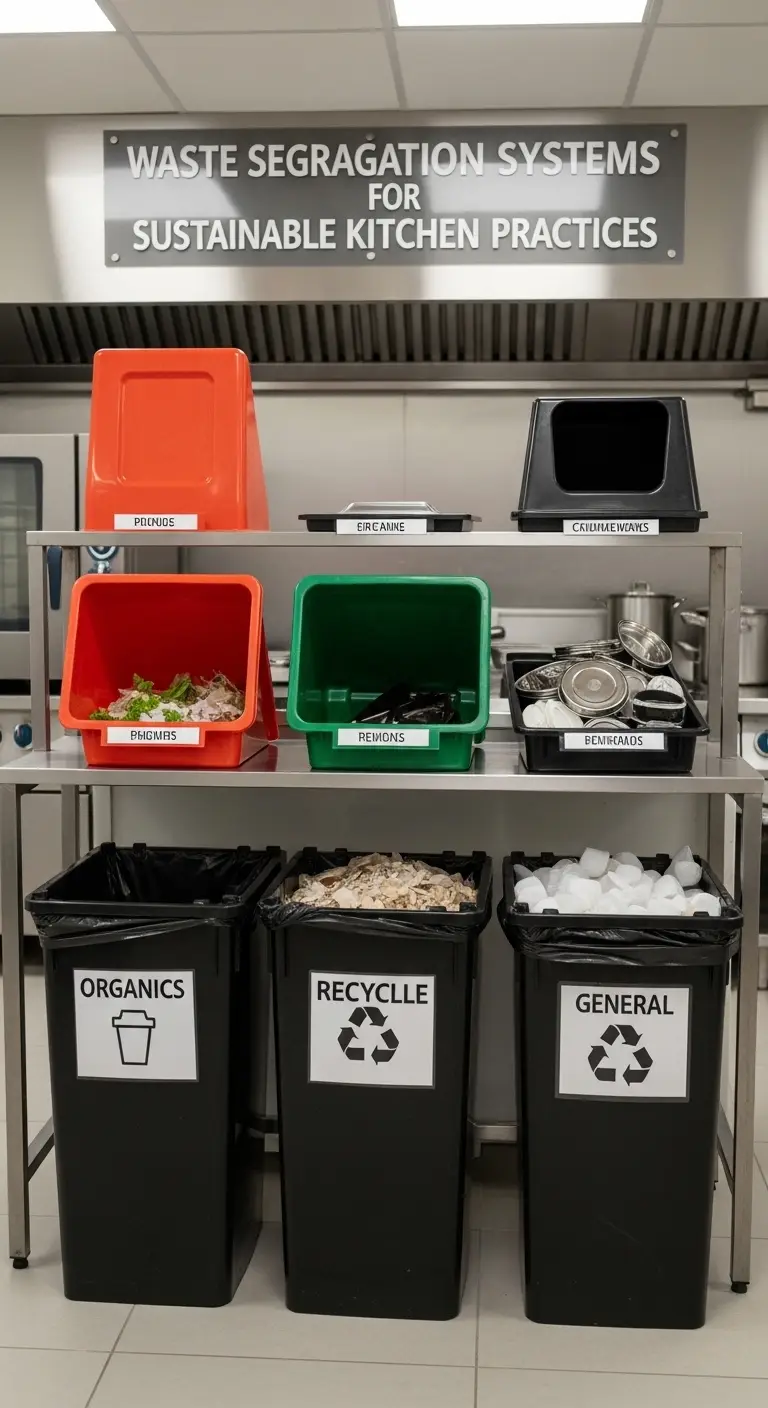
Waste segregation systems support commercial kitchen organization by dividing waste into clear categories for better management.
Organic waste, recyclable materials, and general waste should always remain in separate labeled containers.
This system improves cleanliness and helps kitchens meet environmental responsibility standards effectively.
Proper segregation also reduces disposal costs and supports smoother daily cleaning operations in busy kitchens.
Staff training plays an important role in maintaining consistent waste separation practices across all shifts.
Regular monitoring ensures compliance and prevents contamination between different waste types. This structured approach contributes to a cleaner workspace and more sustainable kitchen operations overall.
Ingredient Prep Scheduling for Time Efficient Operations
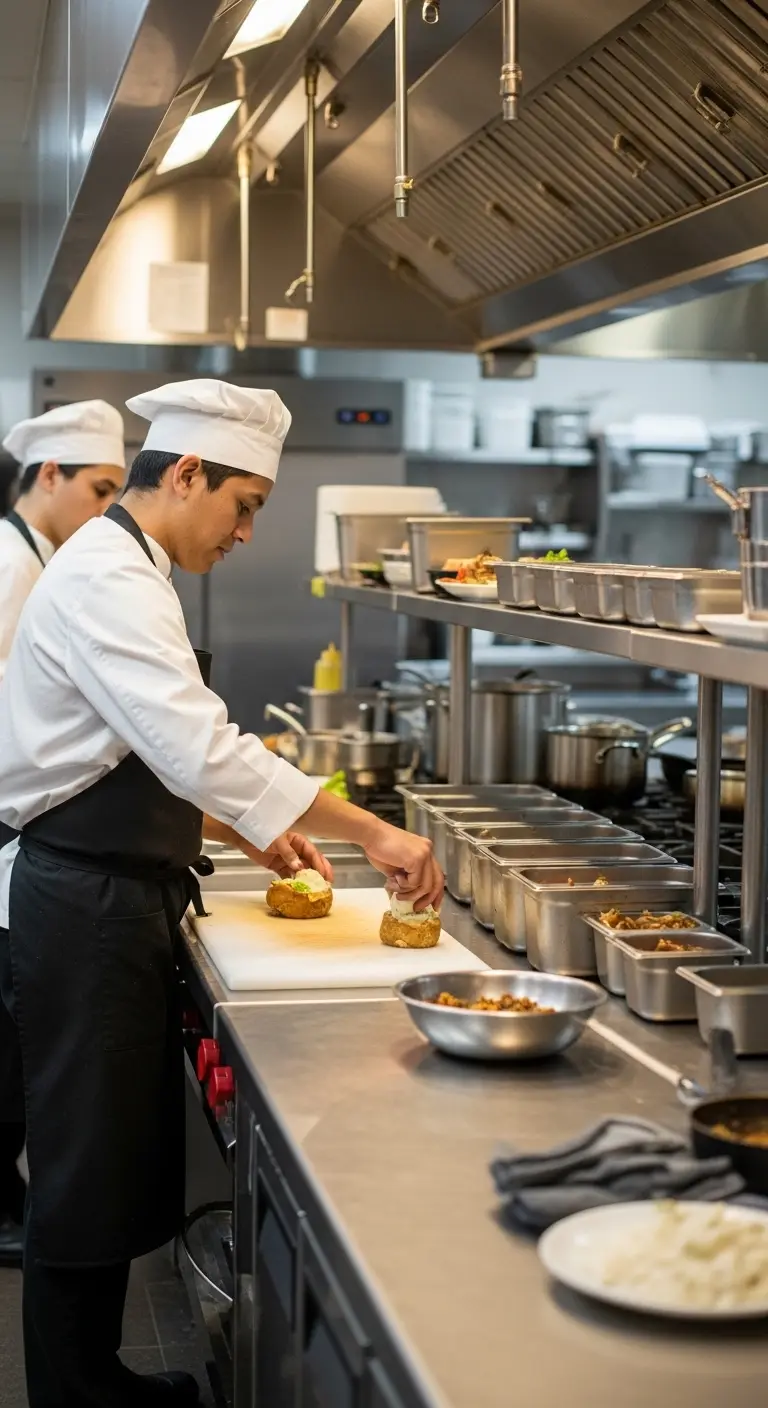
Ingredient prep scheduling strengthens commercial kitchen organization by assigning clear preparation times for every kitchen task.
This system ensures chefs complete all pre cooking work before peak service hours begin each day. Proper scheduling reduces last minute pressure and allows smoother coordination among different kitchen stations during busy shifts.
Staff can follow structured timelines that improve consistency and reduce delays in food preparation workflows.
Kitchen managers should assign realistic prep windows based on menu complexity and available workforce capacity.
This approach also balances workload distribution, which prevents staff fatigue during high demand service periods.
Efficient scheduling ultimately improves speed, organization, and overall kitchen performance across all operations.
Standardized Equipment Layouts
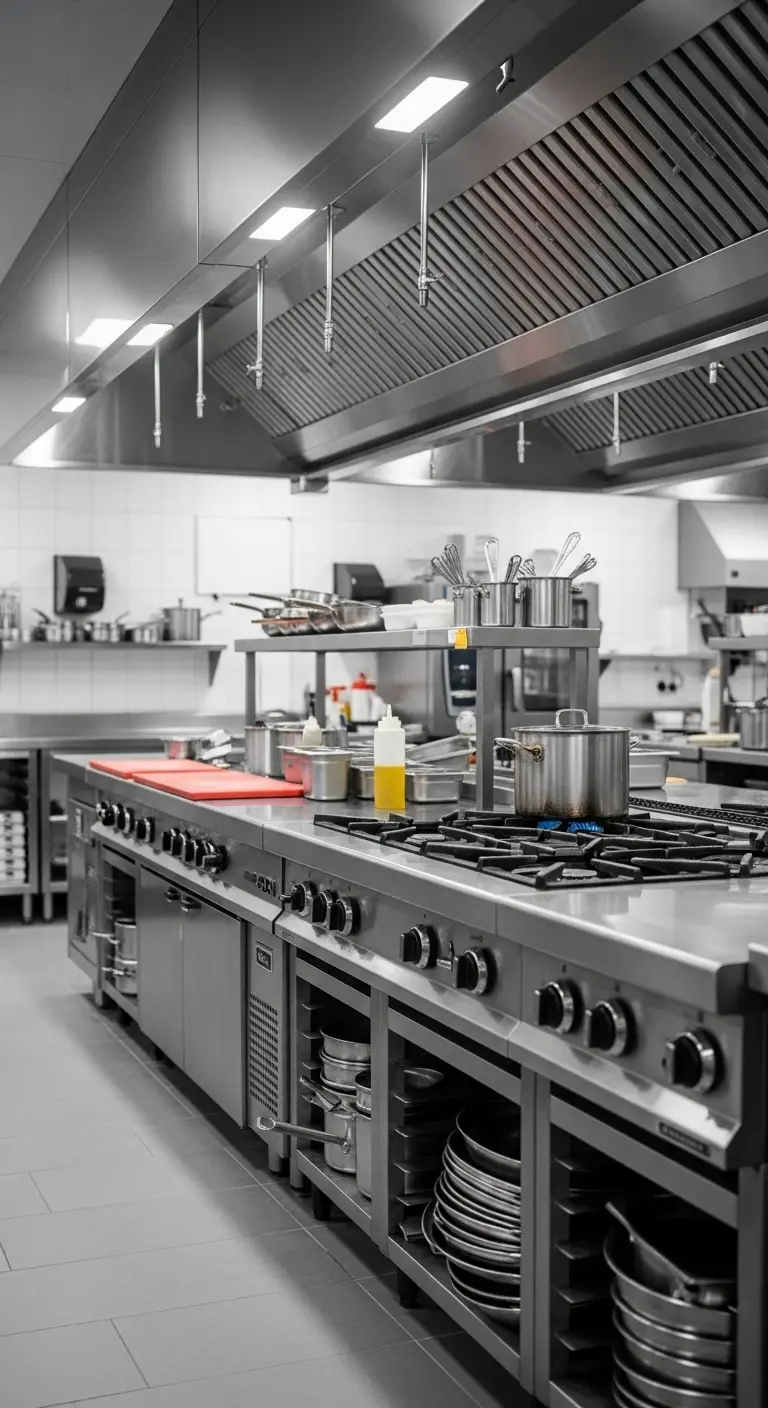
Standardized equipment layouts improve commercial kitchen organization by ensuring consistent placement of tools and appliances in all stations.
This uniform setup helps staff quickly adapt to different work areas without confusion or wasted adjustment time.
Clear equipment positioning improves workflow efficiency and reduces errors during high pressure kitchen operations.
Staff can locate essential tools instantly, which increases speed and supports better coordination between teams.
Kitchen managers should design layouts based on task frequency and workflow direction for maximum efficiency.
Standardization also improves training processes by making it easier for new employees to learn kitchen systems.
This structured approach enhances safety, consistency, and long term operational stability across all kitchen environments.
Advanced Workflow Integration for High Performance Kitchen Operations
Advanced workflow integration improves commercial kitchen organization by combining storage, preparation, and cooking systems into one unified structure.
This approach ensures every kitchen process connects smoothly, reducing downtime and improving operational efficiency during service hours.
Staff can transition between tasks without confusion because each station follows a clearly defined workflow path.
Integrated systems also improve communication between kitchen teams, which increases coordination and reduces service delays.
Kitchen managers benefit from better control over operations and can quickly identify workflow bottlenecks.
This method enhances productivity and ensures consistent food quality across all prepared dishes.
Ultimately, integrated workflows create a more balanced and high performing kitchen environment.
Maintenance Strategies for Long Term Kitchen Organization Success
Maintenance strategies play a vital role in sustaining effective commercial kitchen organization over time.
Regular cleaning schedules help maintain hygiene standards and prevent buildup of grease, clutter, or contamination risks.
Routine equipment inspections ensure all kitchen tools function properly and reduce unexpected breakdowns during service hours.
Staff should follow structured maintenance checklists to keep all stations clean and fully operational.
Kitchen managers must conduct frequent audits to ensure storage systems remain organized and efficient.
Preventive maintenance reduces repair costs and extends the lifespan of essential kitchen equipment.
This consistent approach supports long term operational stability and improves overall kitchen performance.
Final Wrap-Up
A strong commercial kitchen organization system requires planning, discipline, and continuous improvement across all operational areas.
When kitchens implement structured layouts, proper storage systems, and efficient workflows, they achieve higher productivity and consistency.
These strategies reduce waste, improve safety, and create smoother communication between kitchen staff and management teams.
Regular maintenance and staff training ensure these systems remain effective in fast paced working environments.
Ultimately, well organized kitchens deliver better food quality, faster service, and improved customer satisfaction levels.
A consistent organization strategy builds long term success and supports sustainable kitchen operations in any food business.